Phoenix Drone Pros
Blog
Can drones inspect tile roofs without risking damage? Learn what aerial imaging finds, where hands-on checks remain necessary, and how to plan safely.
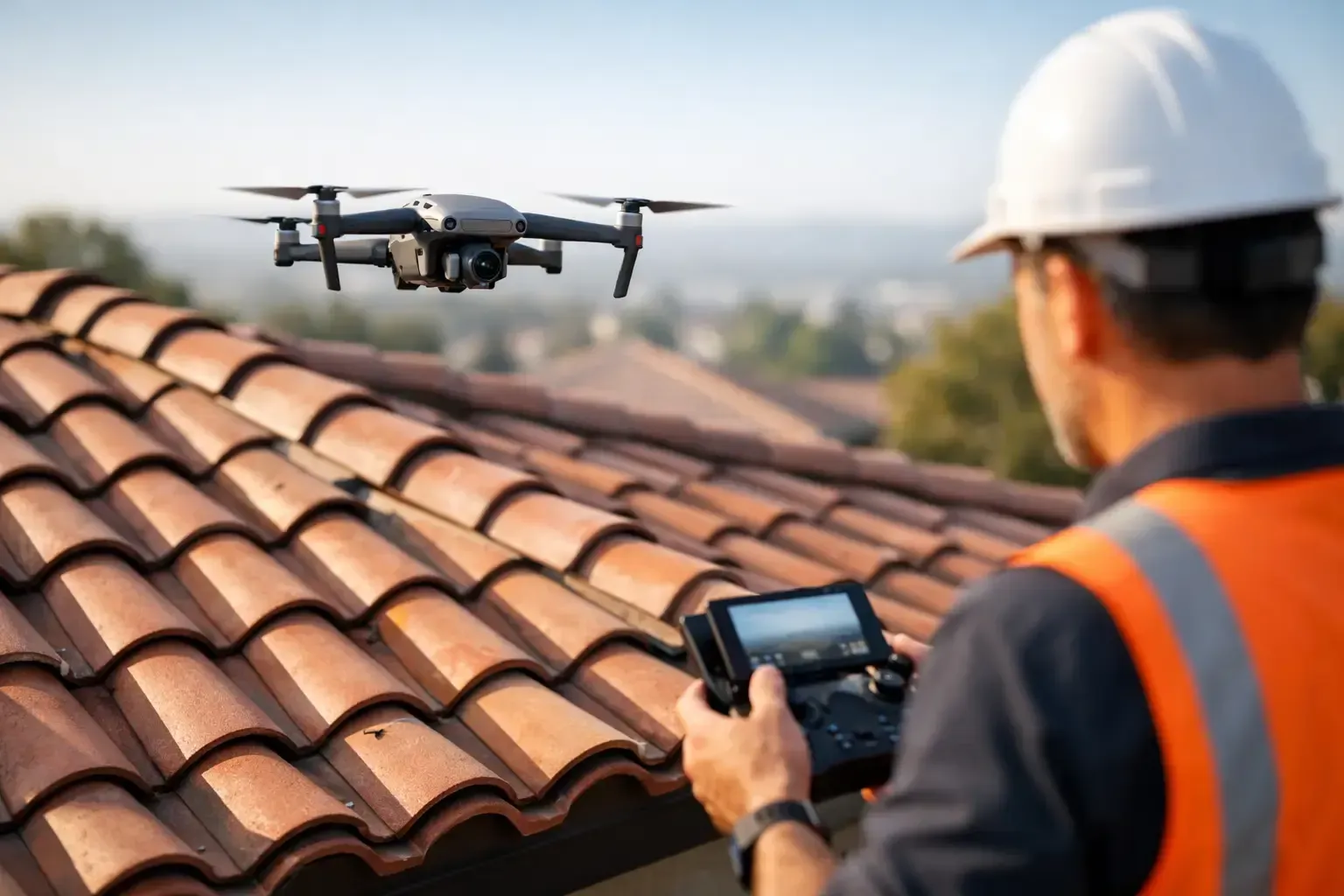
A tile roof can look sound from the ground while hiding cracked, slipped, or missing tiles along a ridge, valley, or upper elevation. For owners and property managers, the practical question is: can drones inspect tile roofs well enough to make a maintenance or repair decision without putting someone on the roof? In many cases, yes. A professionally operated drone inspection can document visible roof conditions quickly and without the foot traffic that can damage fragile tile. It is not, however, a replacement for every hands-on roofing evaluation.
Can Drones Inspect Tile Roofs Effectively?
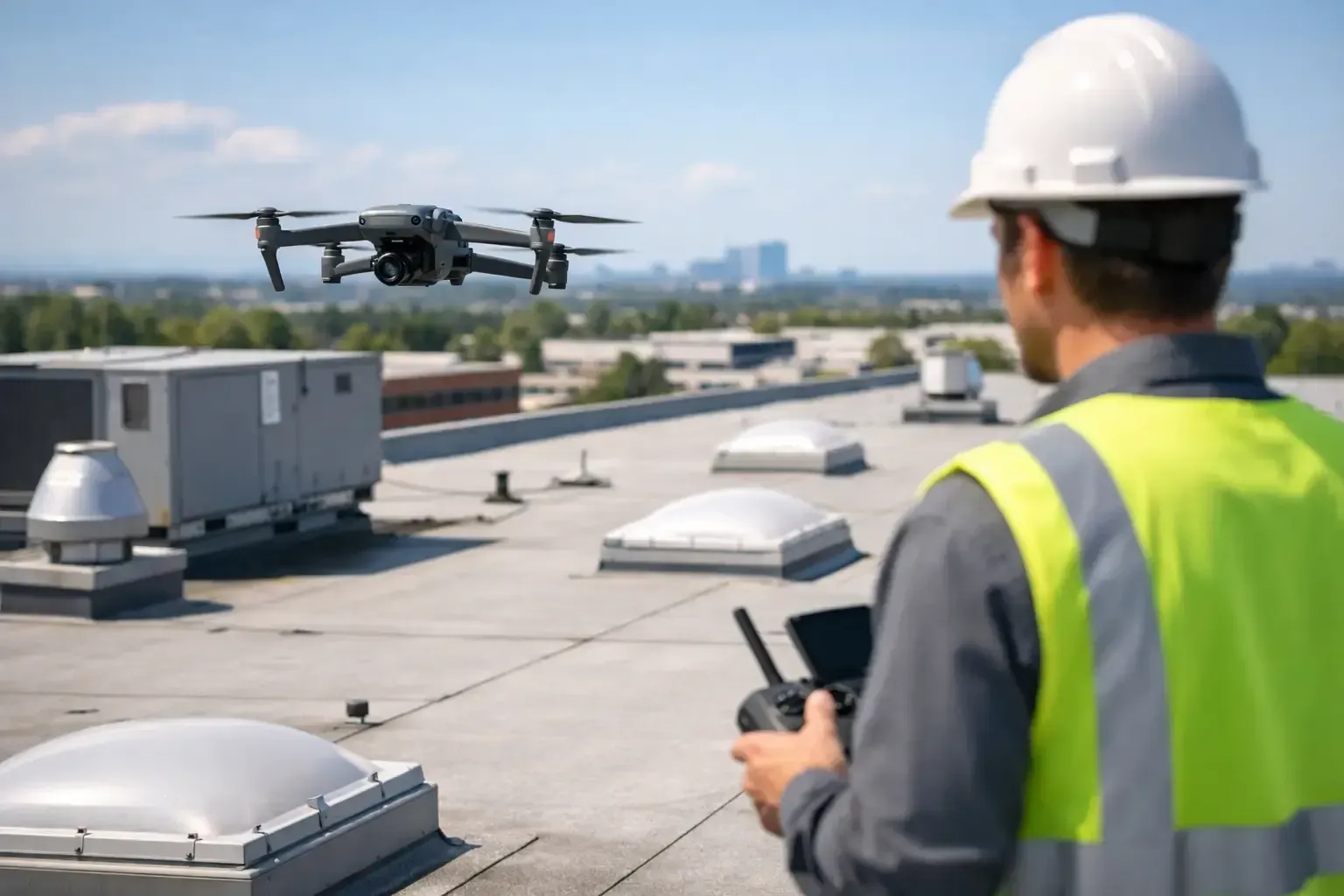
Drones are highly effective at capturing the visible condition of a tile roof. High-resolution aerial images and video can reveal displaced tiles, cracked tile edges, debris buildup, damaged flashing, failed ridge caps, worn penetrations, standing water indicators, and areas where underlayment may be exposed.
This is especially useful on steep, multi-level, or difficult-to-access roofs. Tile roofs are not designed to be walked casually. Even an experienced person can crack a tile if they step in the wrong place, and repeated foot traffic can create damage that was not present before the inspection. A drone allows the operator to examine slopes, hips, valleys, chimneys, solar-adjacent areas, and roof-mounted equipment while keeping physical contact to a minimum.
For Phoenix-area properties, aerial review can also help identify conditions associated with intense sun exposure, monsoon winds, dust accumulation, and storm debris. The camera records a repeatable visual record rather than relying only on a verbal assessment from the ground.
What a Drone Roof Inspection Can Show
The value of a drone inspection depends on image quality, flight technique, lighting, and the operator's ability to capture the right angles. A wide overhead image is useful for understanding the roof layout, but it will not reveal every defect. Detailed passes at appropriate distances are what make the inspection useful.
A qualified operator can document visible conditions such as broken or shifted tiles, open gaps at ridges and hips, blocked valleys, cracked mortar at roof features, damaged vents, loose flashing, staining, and debris around drainage paths. Images can also help a contractor estimate the location and apparent extent of a repair before visiting the property.
For commercial properties, drone imagery is useful for documenting larger roof sections, identifying accessible problem areas, and communicating conditions to ownership, maintenance teams, insurers, or contractors. A property manager can compare images from different dates to see whether a condition is stable, worsening, or resolved after repair work.
Drone photos are also helpful after a wind event. Rather than sending personnel onto every roof immediately, a visual aerial assessment can help prioritize which buildings need urgent attention. That can reduce response time across a portfolio and direct roofing crews where they are needed first.
What Drones Cannot Confirm on a Tile Roof
A drone camera sees surface conditions. It cannot see beneath intact tile, confirm the condition of underlayment in every area, or test whether a roof assembly is watertight. A tile may appear undamaged while the underlayment below it has deteriorated. Conversely, a visibly chipped tile may be a localized cosmetic issue rather than the source of a leak.
This distinction matters when diagnosing active water intrusion. If a building is leaking, drone imagery can identify likely entry points and provide valuable context for a roofing professional. It cannot independently prove the leak path or replace a physical assessment when the roof system requires testing, tile removal, or close examination of concealed details.
Thermal imaging can sometimes add another layer of information, particularly when conditions are right and the roof assembly has a meaningful temperature difference. It is not a shortcut to diagnosing every moisture problem. Sun angle, material type, ambient temperature, insulation, and timing all affect thermal results. Thermal findings should be treated as indicators that guide further investigation, not as a final roof diagnosis.
Why Tile Roofs Need a Different Inspection Approach
Concrete and clay tile roofs have a long service life, but the visible tile is only one part of the roofing system. The components below and around the tile - underlayment, flashing, battens, fasteners, valleys, penetrations, and drainage details - are equally important to performance.
A careful drone inspection focuses on how those systems appear to be working together. Are tiles aligned along the field of the roof? Do valleys look clear? Are ridge areas consistent? Is there visible lifting around pipes or vents? Has wind displaced tile at roof edges? Is debris creating a dam where water should drain freely?
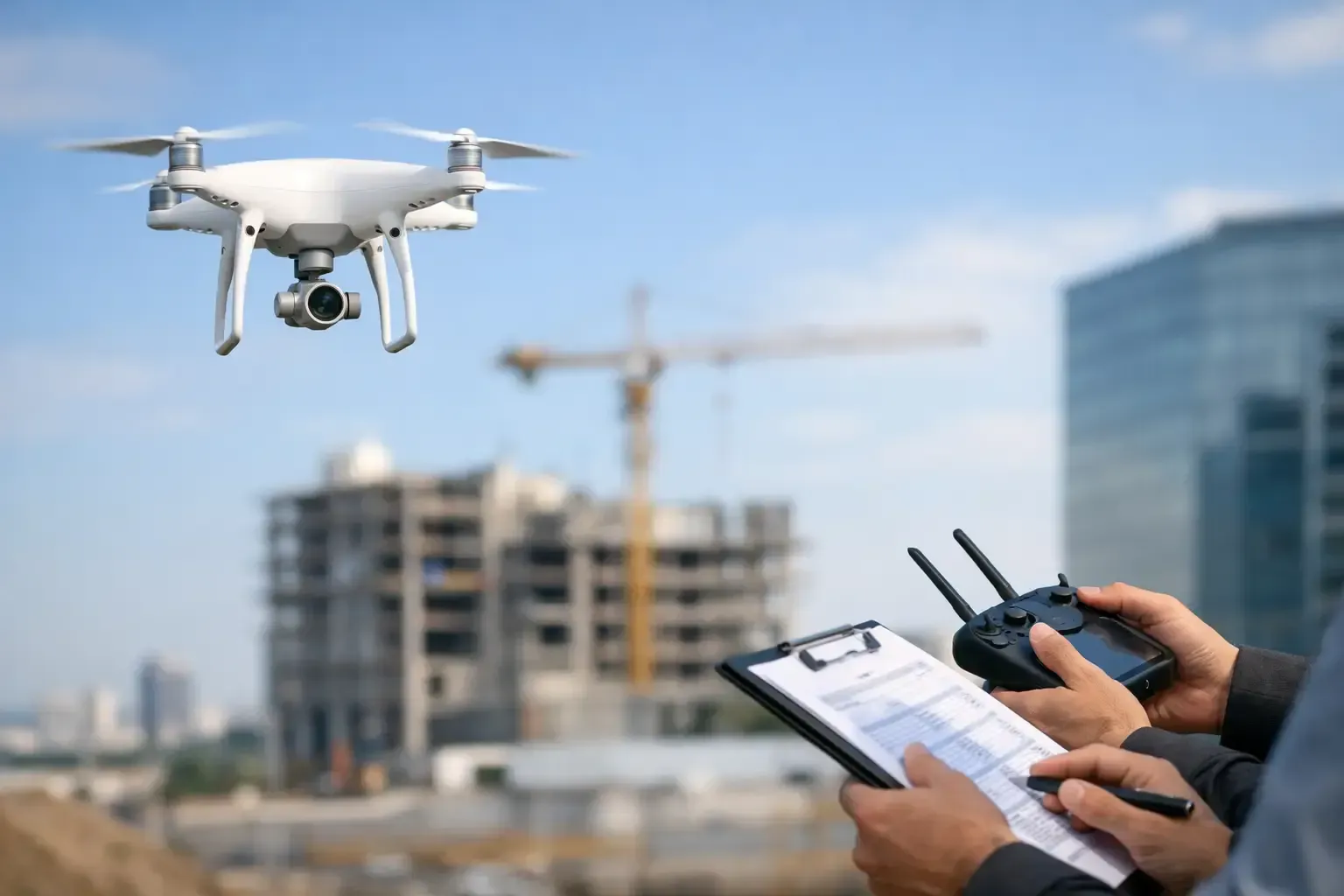
That perspective is more useful than simply collecting attractive overhead footage. For an inspection deliverable to support a maintenance decision, the images need to be organized, clear, and captured with enough context that a contractor or facility manager can locate the issue on the roof.
When a Drone Inspection Is the Right First Step
Aerial inspection is often the right starting point when a roof is steep, high, fragile, complex, or difficult to access safely. It is also a practical option before listing a property, after a storm, during a due-diligence period, or when a property manager needs current documentation for multiple buildings.
It can be particularly efficient for identifying whether there is an obvious visible issue that warrants a roofer's visit. If images show several slipped tiles near a valley or visible damage around a penetration, the repair conversation starts with evidence and a clear location. If no exterior issues are visible, the owner has useful documentation while deciding whether additional investigation is justified.
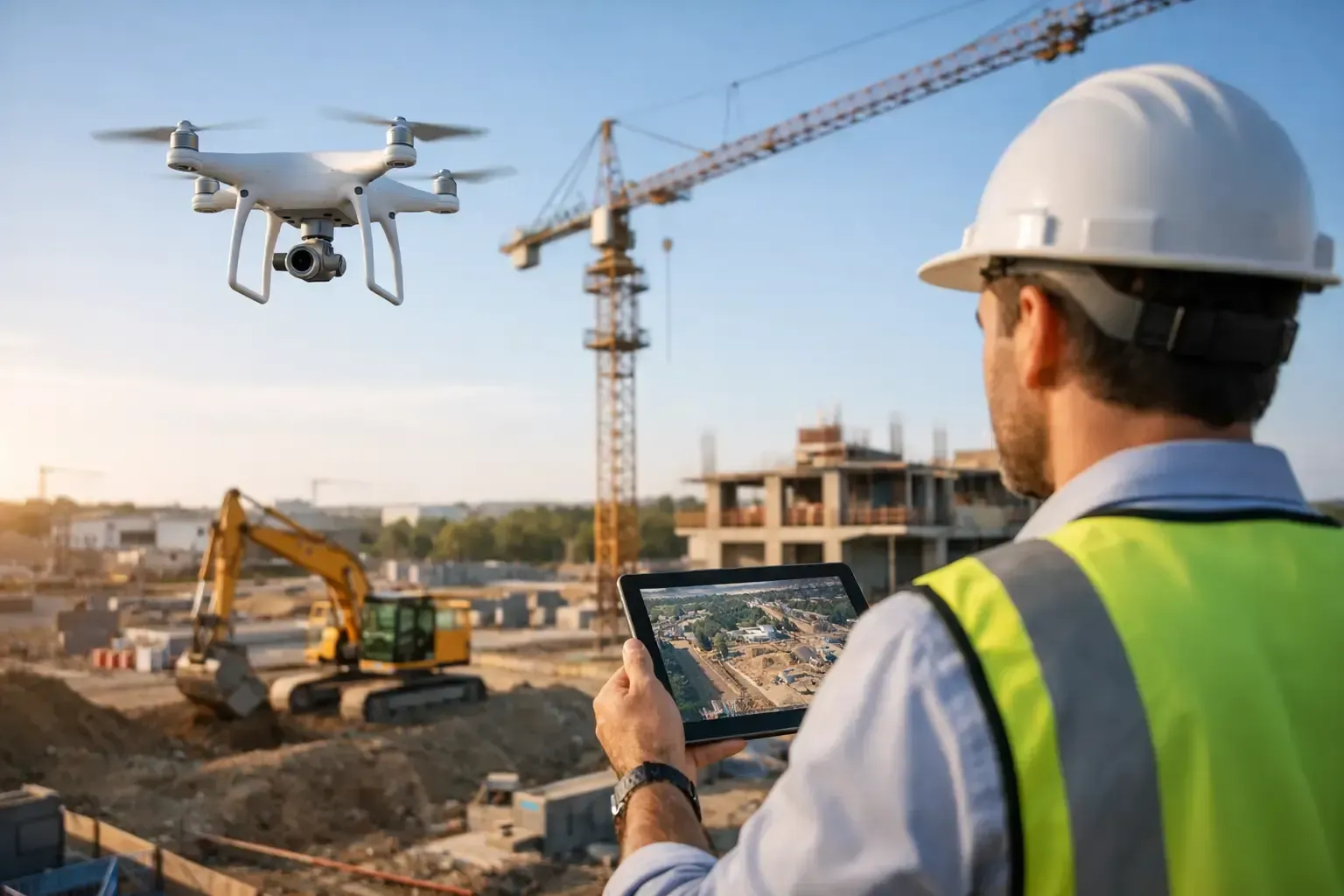
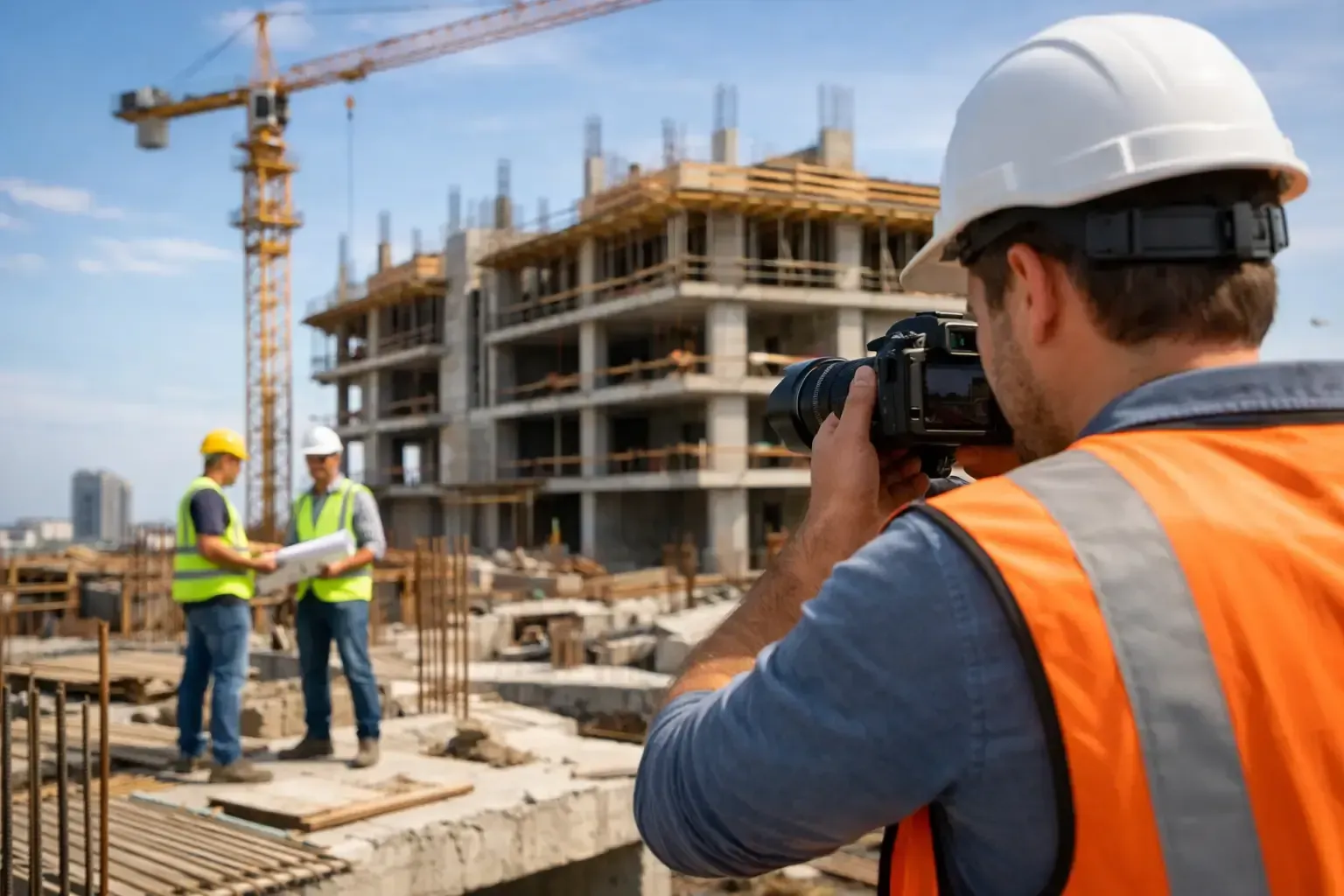
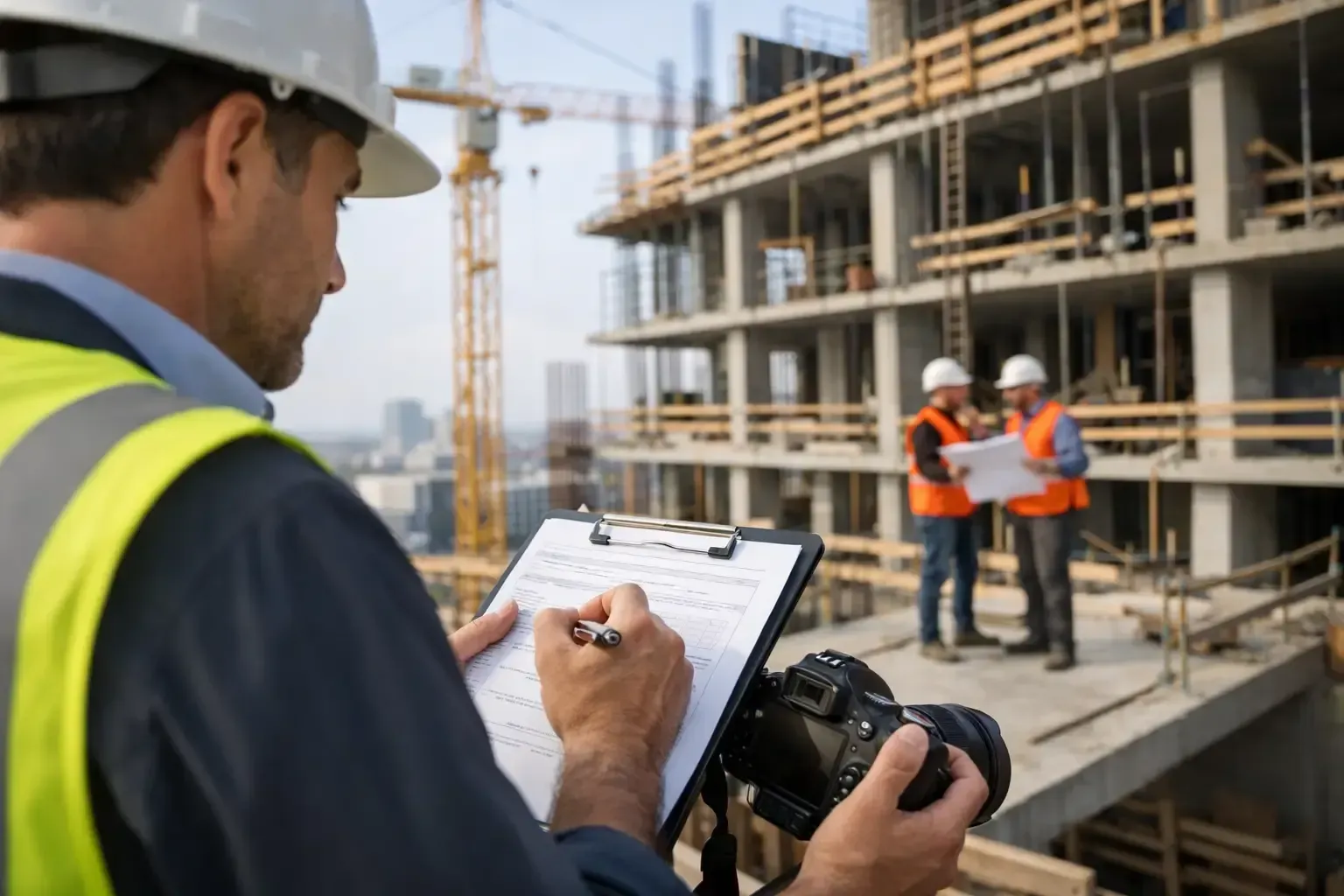
On active construction sites, drone documentation can track roof progress without putting additional personnel into a changing work zone. For commercial real estate and property management teams, it also creates a shareable visual record that is easier to review than sending multiple people onto the roof.
When a Hands-On Roofing Inspection Is Still Necessary
A drone inspection should lead to a hands-on roofing evaluation when there is an active leak, evidence of widespread underlayment failure, suspected structural damage, or a need to verify concealed conditions. It is also necessary when a repair requires physical measurements, material testing, tile removal, or close inspection of flashing details that are partially hidden from view.
The best approach is often sequential rather than either-or. Use aerial imaging to assess visible conditions, reduce unnecessary roof traffic, and document the roof comprehensively. Then involve a licensed roofing professional for areas that need physical verification or repair.
This approach protects the roof while giving the contractor better information before arriving on site. It can also reduce the chance that a minor visible issue is overlooked simply because it sits on a hard-to-reach slope.
Safety, Compliance, and Image Quality Matter
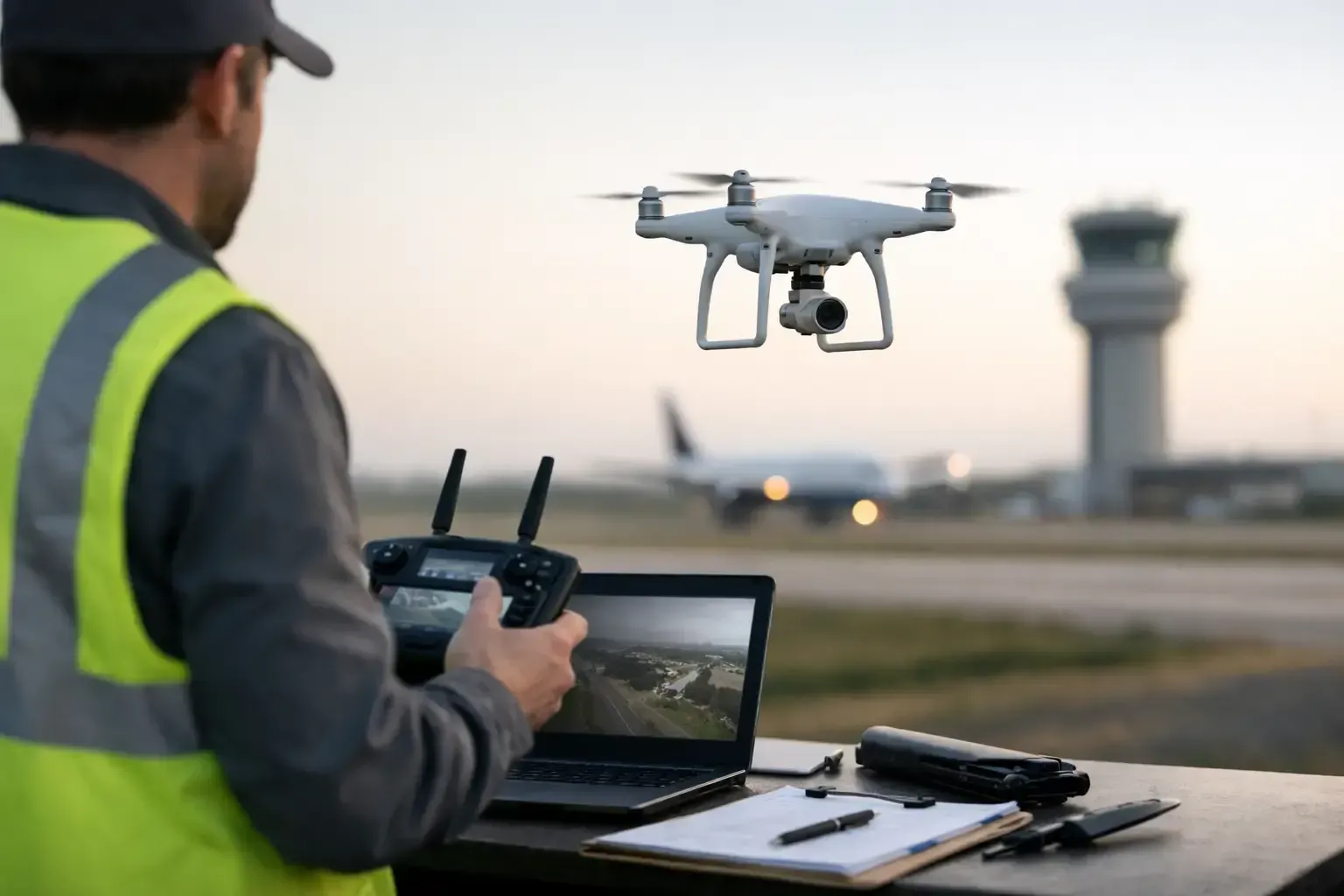
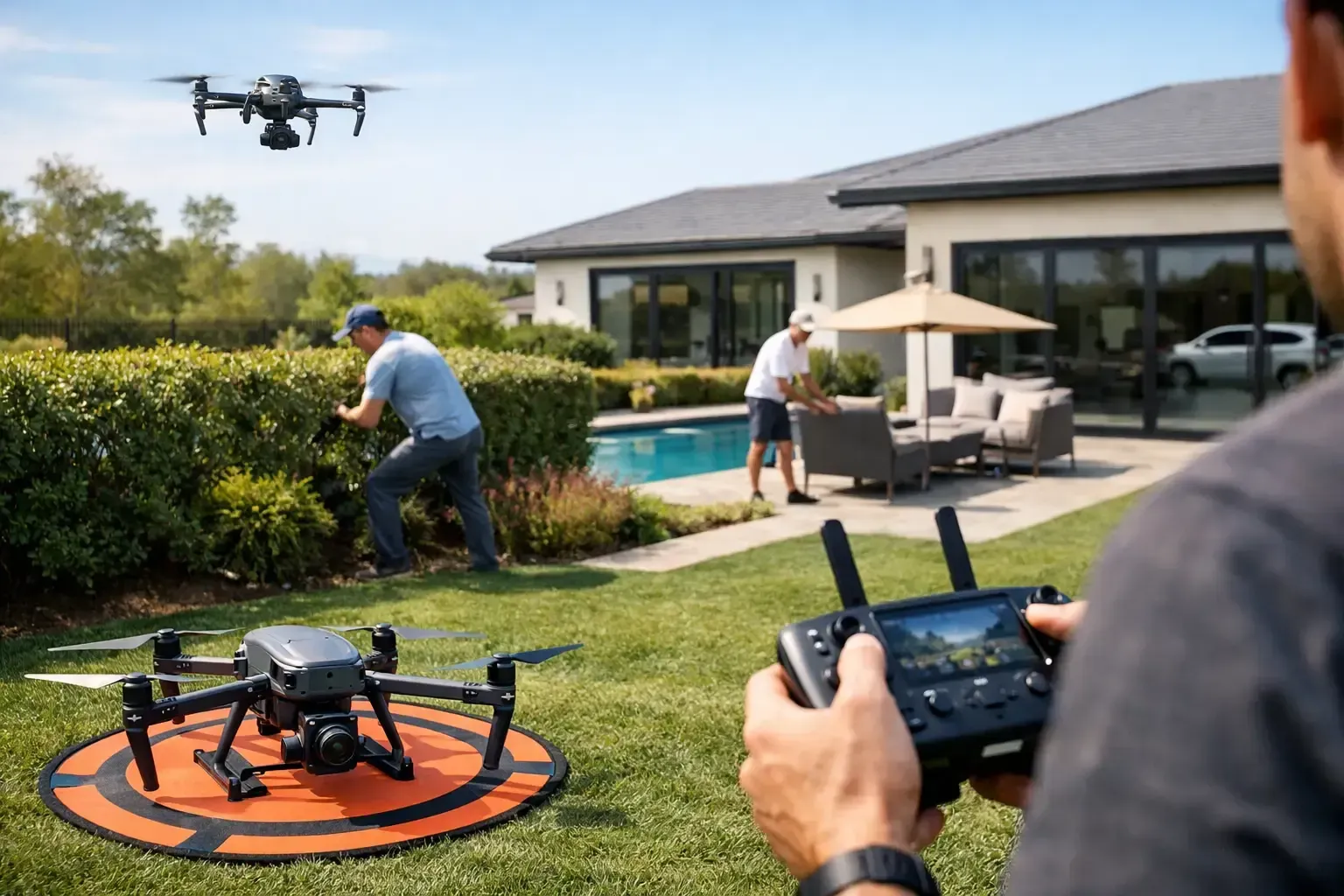
A roof inspection is only as dependable as the operation behind it. Flying near homes, commercial buildings, power lines, HVAC equipment, and active job sites requires deliberate flight planning. Wind, glare, changing light, airspace restrictions, and the presence of people below all affect how the work should be performed.
Professional operations should include FAA-compliant flight practices, appropriate insurance coverage, and a clear plan for capturing the requested areas without creating unnecessary risk. In controlled or restricted airspace, authorization and planning may be required before the flight can occur. That is common in parts of the Phoenix metro area and should be handled before the inspection date, not discovered after a crew arrives.
Image quality matters just as much. Overexposed midday footage can hide surface detail, while excessive distance can make a cracked tile impossible to evaluate. An experienced commercial operator adjusts the flight path, camera angle, and timing to deliver images that are useful for decisions, not just impressive from a distance.
Getting Useful Results From the Inspection
Before scheduling, identify the question the inspection needs to answer. A post-storm assessment, a suspected leak, a maintenance baseline, and a pre-sale property review each require a slightly different capture plan. If there is a known problem area, provide the building elevation, interior leak location, or recent repair history so the aerial documentation can focus on the right section.
Ask for both overview images and close-detail images. Overview views establish location and roof layout. Close-detail views show the condition that prompted concern. Together, they give a roofer, manager, or owner the context needed to act efficiently.
For property owners who want a safer way to understand visible roof conditions, a professional drone inspection is a practical first move. It preserves the roof from unnecessary foot traffic, creates clear documentation, and helps the right repair professional arrive with a better picture of what needs attention.