
Phoenix Drone Pros
Blog
Do Construction Workers Use Drones?
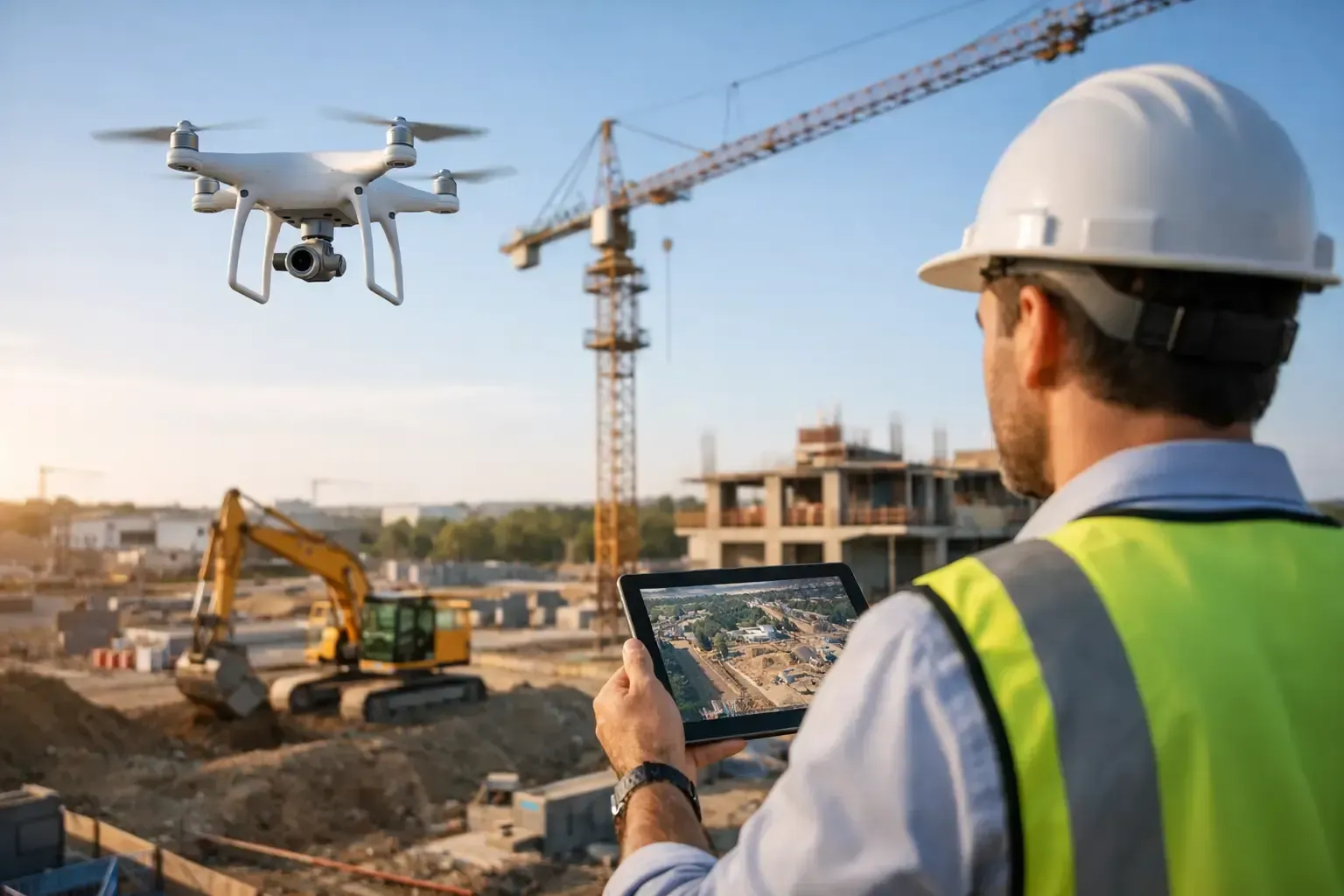
Construction workers use drones for tasks such as site surveying, progress monitoring, and building inspections.

The construction industry is constantly evolving and looking for new ways to improve efficiency and safety on job sites. One technology that has been gaining attention in recent years is the use of drones in construction. Drones, also known as unmanned aerial vehicles (UAVs), have the potential to revolutionize the way construction workers perform their jobs.
Construction workers use drones for tasks such as site surveying, progress monitoring, and building inspections. Drones are a powerful tool that can help improve safety, efficiency, and cost savings on construction job sites. The use of drones in the construction industry is on the rise as technology improves and regulations become more streamlined.
In this article, we will explore the current use of drones in the construction industry, the benefits they offer, and the challenges that need to be overcome to fully utilize their potential.
Current Use of Drones in Construction
Drones are currently being used in the construction industry for a variety of tasks. Site surveying is one of the most common uses of drones in construction.
Drones equipped with high-resolution cameras can quickly and accurately survey large areas of land, providing detailed information on topography and vegetation. This information is crucial for the design and planning stages of a construction project.
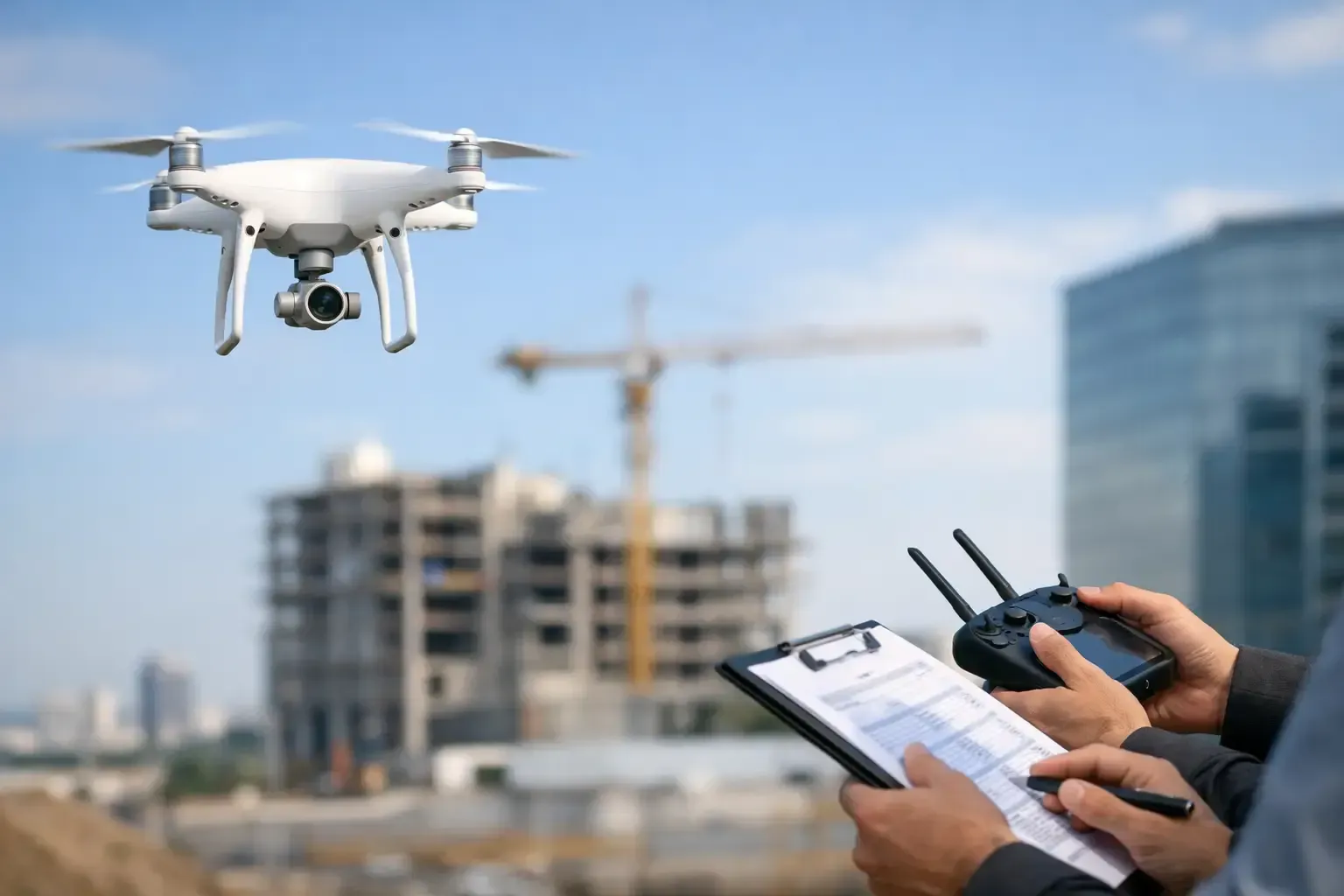
Progress monitoring is another important use of drones in construction. Drones equipped with cameras can capture high-resolution images and videos of job sites, allowing construction managers to monitor progress and identify any potential issues.
This can help construction managers make better decisions and improve the overall efficiency of the project.
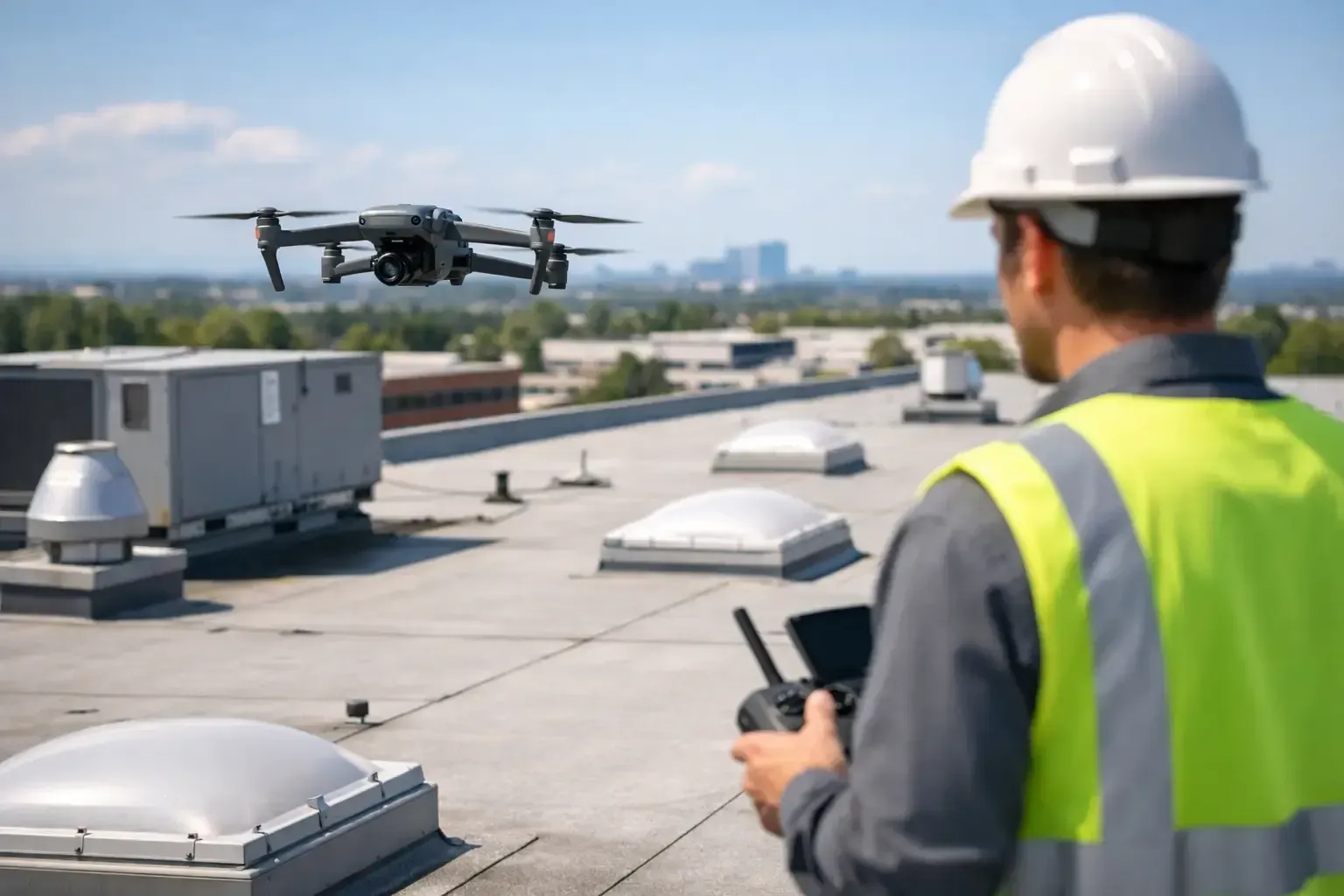
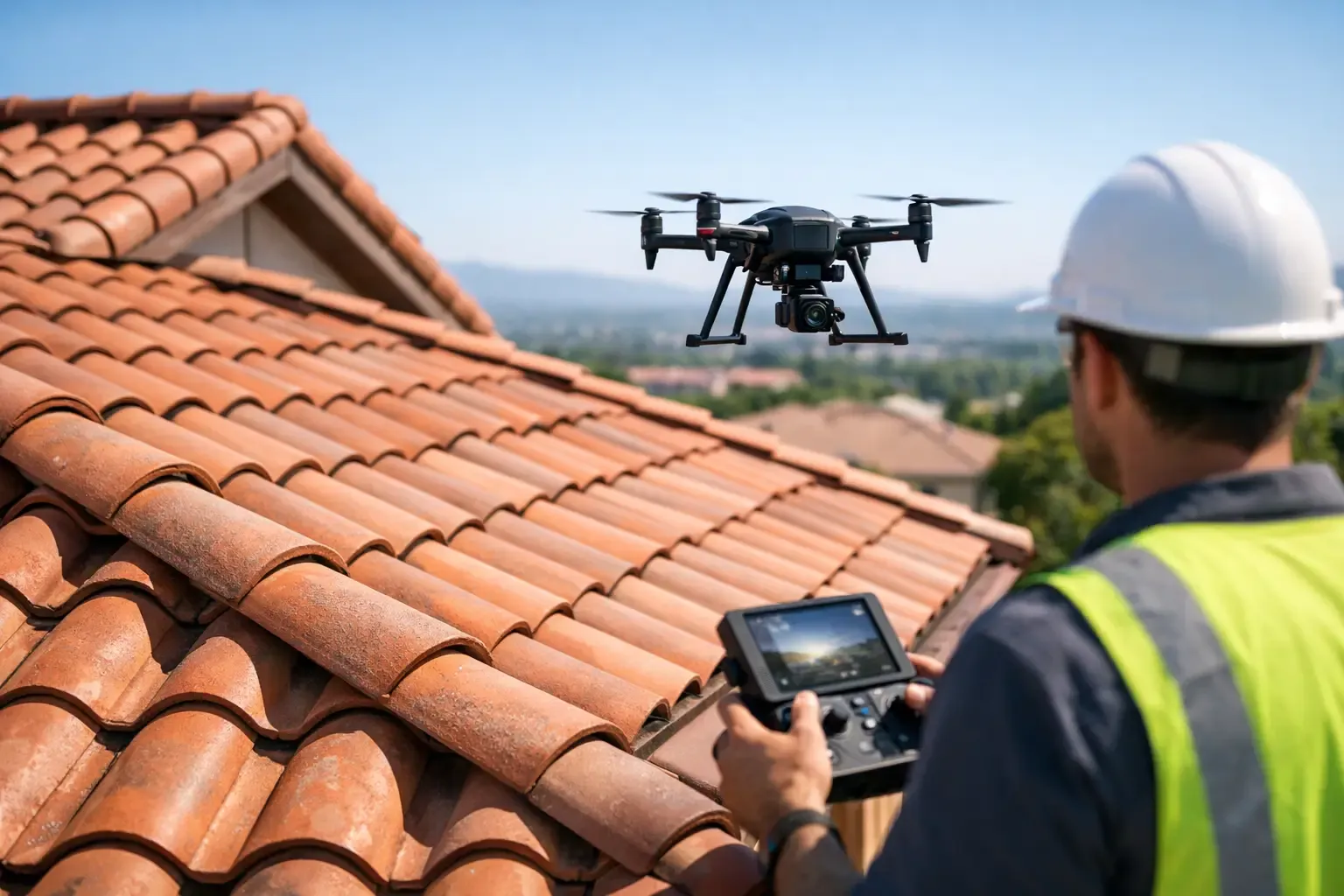
Building inspections are another area where drones are proving to be useful. Drones can access areas of a building that may be difficult or dangerous for workers to reach, such as rooftops or high-rise structures. This allows for more efficient and detailed inspections, which can help identify potential issues before they become major problems.
Benefits of Drones in Construction
The use of drones in construction offers a number of benefits. One of the biggest benefits is increased safety. Drones can access areas of a construction site that may be difficult or dangerous for workers to reach, reducing the need for workers to put themselves in harm's way.
Drones also allow for more efficient and detailed inspections, which can help identify potential issues before they become major problems.
Drones also offer increased efficiency. Drones can survey large areas of land quickly and accurately, providing detailed information that is crucial for the design and planning stages of a construction project.
Drones can also capture high-resolution images and videos of job sites, allowing construction managers to monitor progress and identify any potential issues.
Finally, drones offer cost savings. Drones can perform tasks that would otherwise require a significant amount of time and resources. This can lead to cost savings in both time and money, which is especially important in the construction industry where every dollar counts.
Challenges to Overcome
Despite the many benefits of drones in construction, there are also challenges that need to be overcome to fully utilize their potential. One of the biggest challenges is regulatory.
Drones are subject to a number of regulations and laws, and it can be difficult for construction companies to navigate these regulations. This can make it difficult for companies to fully utilize the potential of drones.
Another challenge is the cost of drones. Drones can be expensive, and construction companies may not have the resources to invest in them. Additionally, drones require skilled operators and can be difficult to use. This can make it difficult for construction companies to fully utilize the potential of drones.
Impact of Drones in Construction
- Improved Efficiency: Drones are able to quickly and accurately survey large construction sites, providing detailed information that can be used to optimize project plans and schedules. This can lead to significant time and cost savings for construction companies.
- Enhanced Safety: Drones can be used to inspect dangerous or hard-to-reach areas of a construction site, reducing the need for workers to put themselves at risk. Additionally, drones can be used to monitor the site for safety hazards, allowing problems to be identified and addressed more quickly.
- Increased Precision: Drones equipped with high-resolution cameras and other sensors can provide extremely detailed and accurate information about a construction site, allowing for more precise planning and execution of projects.
- Better Communication: Drones can be used to create detailed 3D models of construction sites, which can be shared with stakeholders such as architects, engineers, and project managers. This allows for improved communication and collaboration among team members, and can help ensure that everyone is on the same page regarding the project's progress.
- Reduced Costs: Drones can help construction companies save money by reducing the need for manual labor and providing more accurate information, which can help minimize errors and rework. Additionally, drones can be used to monitor equipment and inventory, which can help prevent costly equipment failures and lost materials.
- Future Advancement: With the advent of the technology like AI, drones are expected to play a vital role in the construction industry in the future. It will not only help in the construction process but also in the planning and maintenance of the building.
-
Overall, the use of drones in construction has the potential to revolutionize the industry, providing significant benefits in terms of efficiency, safety, precision, communication, and cost savings.
As technology continues to evolve, the possibilities for drones in construction will only continue to expand.
Drones in Construction Case Study
One example of the successful use of drones in construction is the use of drones by the construction company Balfour Beatty. The company used drones to survey a large construction site and create 3D models of the site.
This allowed the company to more accurately plan and design the project, leading to significant cost savings and a faster completion time.
Additionally, the company used drones to monitor progress on the project, which helped identify any potential issues before they became major problems.
Another example is the use of drones by the construction company Skanska. The company used drones to perform building inspections on a large construction project. This allowed the company to more efficiently and safely inspect the building, which helped identify potential issues before they became major problems.
These case studies demonstrate the potential of drones in the construction industry and how they can lead to improved safety, increased efficiency, and cost savings.
As technology continues to improve, it is likely that we will see more and more companies in the construction industry utilizing drones to improve their work.
Related Questions
What Percentage of Construction Companies Use Drones?
It is difficult to give an exact percentage, but the use of drones in the construction industry is on the rise.
What Kind of Drones Are Used In Construction?
Drones used in construction are typically small, unmanned aerial vehicles (UAVs) that are equipped with high-resolution cameras and other sensors.
They are designed to survey and inspect large construction sites, providing detailed information that can be used to optimize project plans and schedules.
What Industry Uses Drones The Most?
The most common industry that uses drones is Aerial photography and videography, Survey and Inspection, Agriculture, Construction, and delivery. These industries use drones for tasks such as aerial surveys, inspections, mapping, crop monitoring, and delivery of goods.
Can Drones Replace Human Workers In Construction Jobs?
No, drones are used as a tool to aid human workers and do not replace them entirely. They can perform tasks that would otherwise require a significant amount of time and resources, but it is still essential to have human workers to operate the drones, interpret the data and make decisions.
Conclusion
In conclusion, drones have the potential to revolutionize the construction industry by providing construction workers with a powerful tool to improve their work.
However, challenges such as regulatory and cost need to be overcome in order to fully utilize the potential of drones in construction.
To fully take advantage of the potential of drones in construction, it is important for companies to invest in the necessary equipment and training.
Thanks for reading this article! If you have a minute, check out our drone photography services for construction sites at Phoenix Drone Pros
by clicking here.