Phoenix Drone Pros
Blog
phoenixdronepros • June 9, 2023
How Drones are Revolutionizing the Real Estate Industry
In this article, we will explore the various ways in which drones are reshaping the real estate industry and the benefits they bring to both agents and potential buyers.
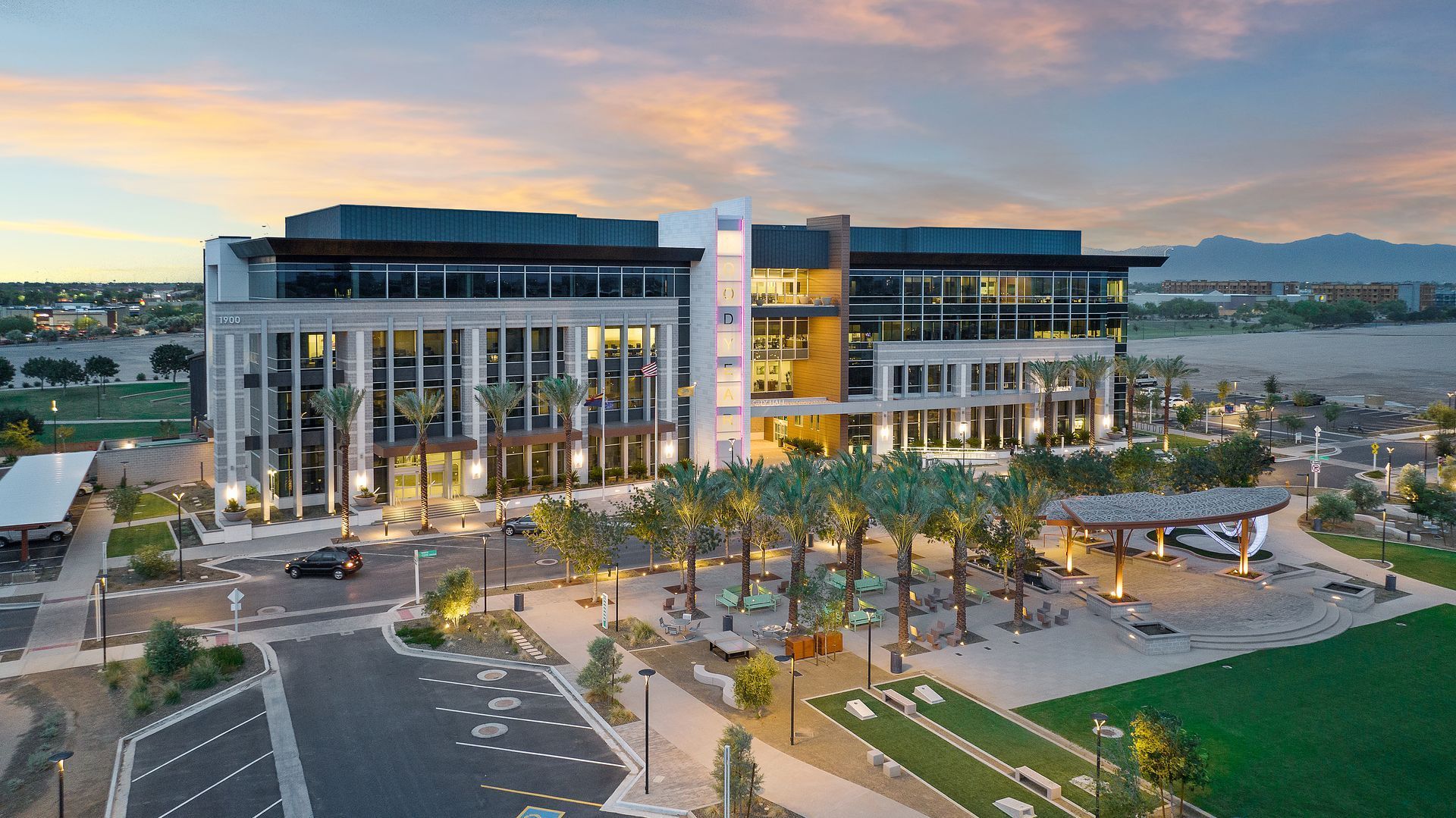
In recent years, the real estate industry has witnessed a remarkable transformation driven by technological advancements. One particular innovation that has taken the sector by storm is the use of drones. These small unmanned aerial vehicles (UAVs) equipped with high-resolution cameras and advanced imaging technology have revolutionized the way real estate professionals market and showcase properties. In this article, we will explore the various ways in which drones are reshaping the real estate industry and the benefits they bring to both agents and potential buyers.
Drones have revolutionized the real estate industry by providing new and exciting opportunities for agents to market properties effectively. From capturing breathtaking aerial imagery to offering virtual property tours, drones offer a level of engagement and visual storytelling that was previously unimaginable. The accessibility, cost efficiency, and enhanced safety they bring make them an invaluable tool for real estate professionals. As the industry continues to evolve, it is clear that drones will play an increasingly crucial role in shaping the future of real estate marketing and sales.
If you're a real estate agent or buyer, incorporating drones into your property marketing or search process can help you stand out and find the perfect property. Consider leveraging the power of drones and partnering with professional drone service providers like Phoenix Drone Pros to unlock the full potential of this transformative technology in the real estate industry.
Aerial Photography and Videography
Traditionally, real estate agents relied on ground-level photography to capture images of properties. However, this limited perspective often failed to highlight the unique features and scale of a property effectively. Drones have changed the game by enabling agents to capture stunning aerial photographs and videos. These bird's-eye view shots provide potential buyers with a comprehensive overview of the property, showcasing its size, layout, and surroundings. With the ability to capture images from different angles and heights, drones offer a much more engaging and immersive experience for viewers.Enhanced Property Marketing
Drones have significantly enhanced the marketing efforts of real estate professionals. High-quality aerial imagery captured by drones can be used in property listings, brochures, websites, and social media platforms to attract potential buyers. These captivating visuals allow buyers to visualize the property in its entirety, including its surroundings, amenities, and landscape. Drones can capture footage of features such as swimming pools, gardens, and expansive yards, which can be challenging to showcase through traditional photography alone. As a result, properties marketed with drone imagery tend to attract more attention and generate higher levels of interest.Virtual Property Tours
In the past, buyers had to physically visit multiple properties to get a feel for their layout and design. This process was time-consuming and often resulted in wasted trips to properties that did not meet their expectations. Drones have made it possible to offer virtual property tours, allowing potential buyers to explore properties remotely. By capturing detailed footage of every room and showcasing the property from different angles, drones provide an immersive experience that closely resembles an in-person visit. Virtual tours save buyers time and enable them to narrow down their options more efficiently.Increased Accessibility and Reach
Drones have made it easier for real estate agents to access properties that are otherwise difficult to reach or photograph effectively. For instance, properties with large plots of land, steep terrain, or inaccessible rooftops can now be easily surveyed and photographed using drones. This accessibility enables agents to showcase unique features of the property that were previously overlooked or deemed too challenging to capture. Moreover, drones can cover large areas in a short span of time, allowing agents to expand their reach and market properties in remote or rural locations more effectively.Cost and Time Efficiency
In the past, real estate professionals had to hire helicopters or planes to capture aerial footage, which was both costly and time-consuming. Drones have eliminated the need for such expensive resources, making aerial photography and videography affordable for agents of all sizes. The quick setup and maneuverability of drones also significantly reduce the time required to capture high-quality images and videos. Agents can now obtain professional-grade visuals within a short period, expediting the marketing process and enabling properties to reach the market faster.Safety and Compliance
When it comes to property inspections, safety is paramount. Drones have made property inspections safer and more efficient for real estate professionals. Instead of climbing ladders or accessing hazardous areas, agents can use drones to inspect roofs, gutters, and other hard-to-reach places from a safe distance. This not only reduces the risk of accidents but also saves time and resources. However, it is important to note that operating drones for commercial purposes requires compliance with local regulations and obtaining the necessary permits and licenses.Keeping Up with Technological Trends
By embracing drones, real estate professionals demonstrate their commitment to staying at the forefront of technological advancements. Buyers today are tech-savvy and expect immersive and innovative experiences when searching for properties. Incorporating drones into their marketing strategies allows agents to meet these expectations and differentiate themselves from competitors who rely on traditional methods. The use of cutting-edge technology like drones enhances an agent's reputation, establishes credibility, and positions them as forward-thinking industry leaders.Conclusion
Drones have revolutionized the real estate industry by providing new and exciting opportunities for agents to market properties effectively. From capturing breathtaking aerial imagery to offering virtual property tours, drones offer a level of engagement and visual storytelling that was previously unimaginable. The accessibility, cost efficiency, and enhanced safety they bring make them an invaluable tool for real estate professionals. As the industry continues to evolve, it is clear that drones will play an increasingly crucial role in shaping the future of real estate marketing and sales.
If you're a real estate agent or buyer, incorporating drones into your property marketing or search process can help you stand out and find the perfect property. Consider leveraging the power of drones and partnering with professional drone service providers like Phoenix Drone Pros to unlock the full potential of this transformative technology in the real estate industry.
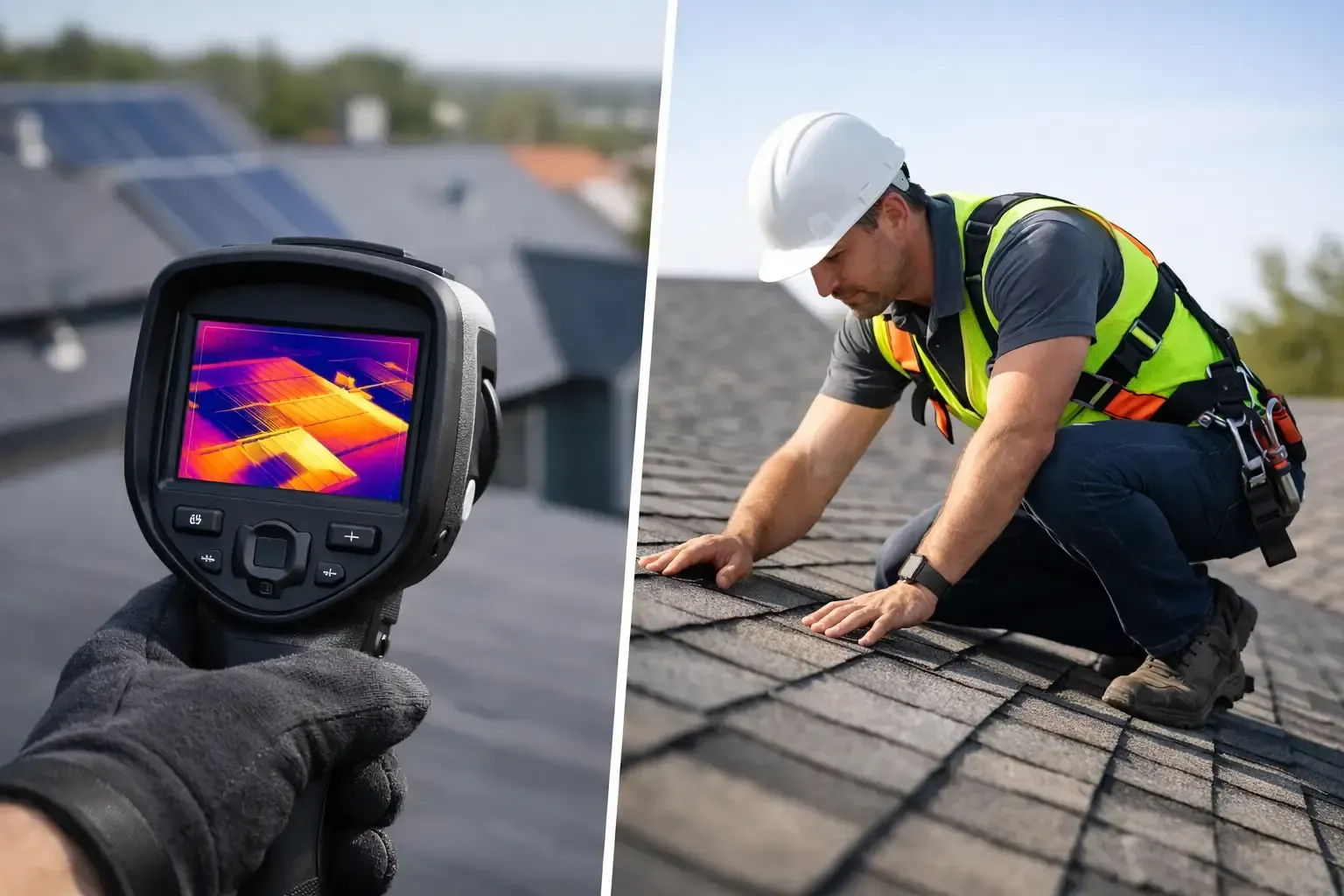
Compare a roof thermal scan vs roof walk to spot moisture, surface damage, and access risks before small roofing problems become costly repairs later.
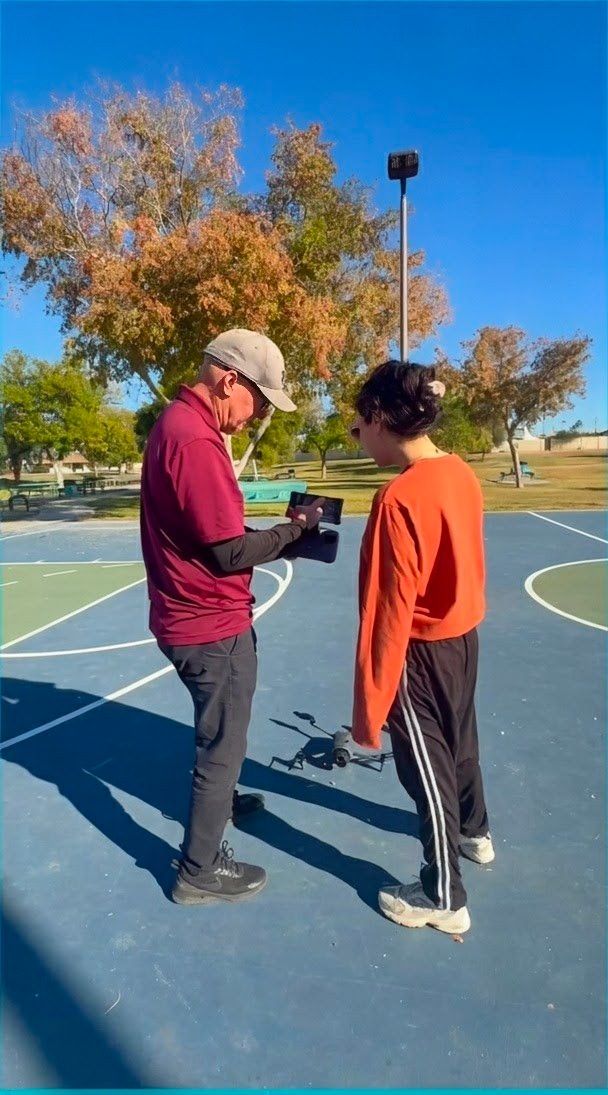
Learning to fly a drone is about more than just getting it off the ground—it's about building confidence, flying safely, and capturing incredible perspectives. With more than 10 years of professional drone experience, thousands of commercial flights, and over 100 students trained, Robert Biggs of Phoenix Drone Pros provides personalized one-on-one drone flight training in Phoenix that helps beginners and aspiring professionals become skilled, confident pilots.
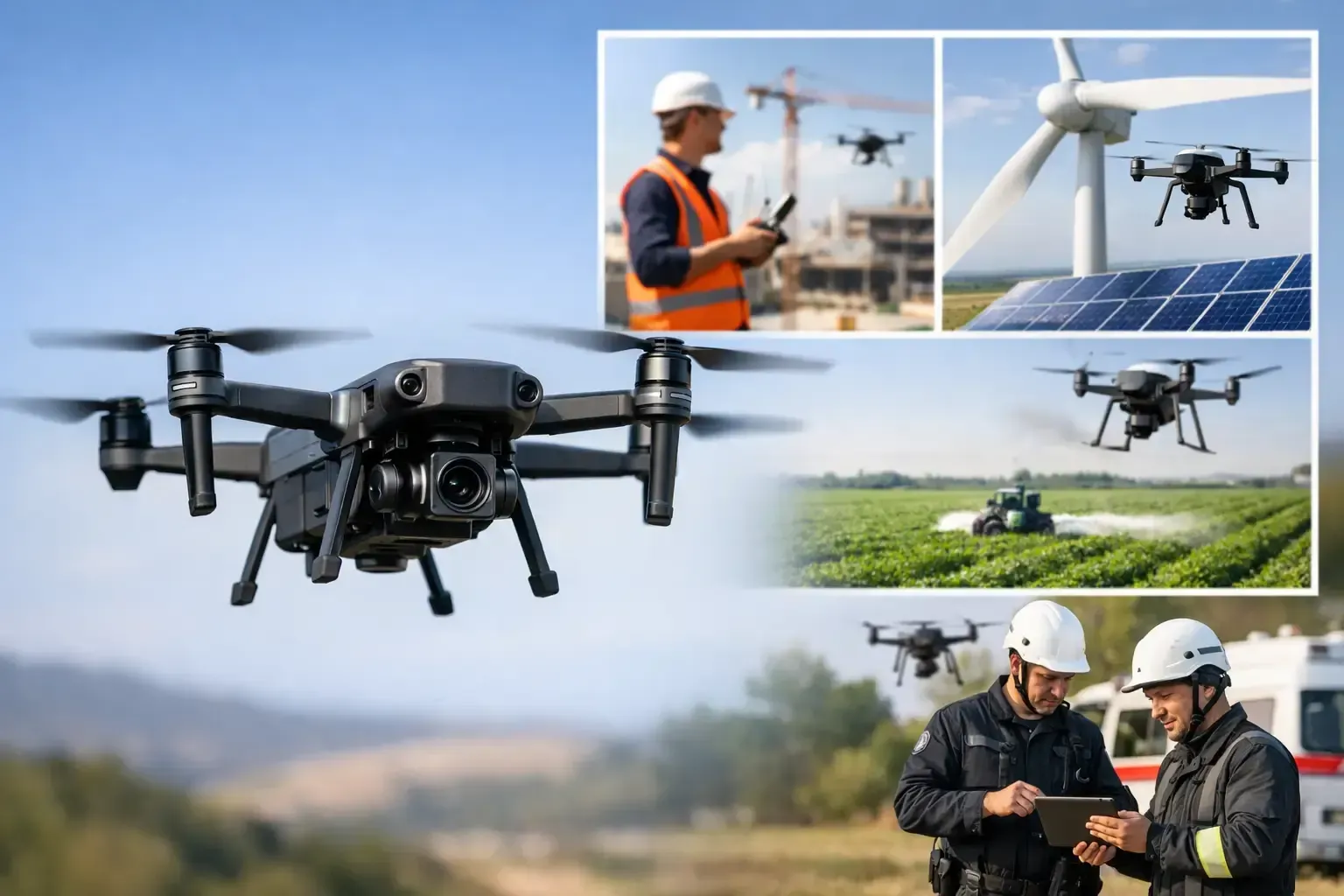
See the best uses for commercial drones, from property marketing and inspections to construction tracking, thermal scans, and safer site decisions fast.
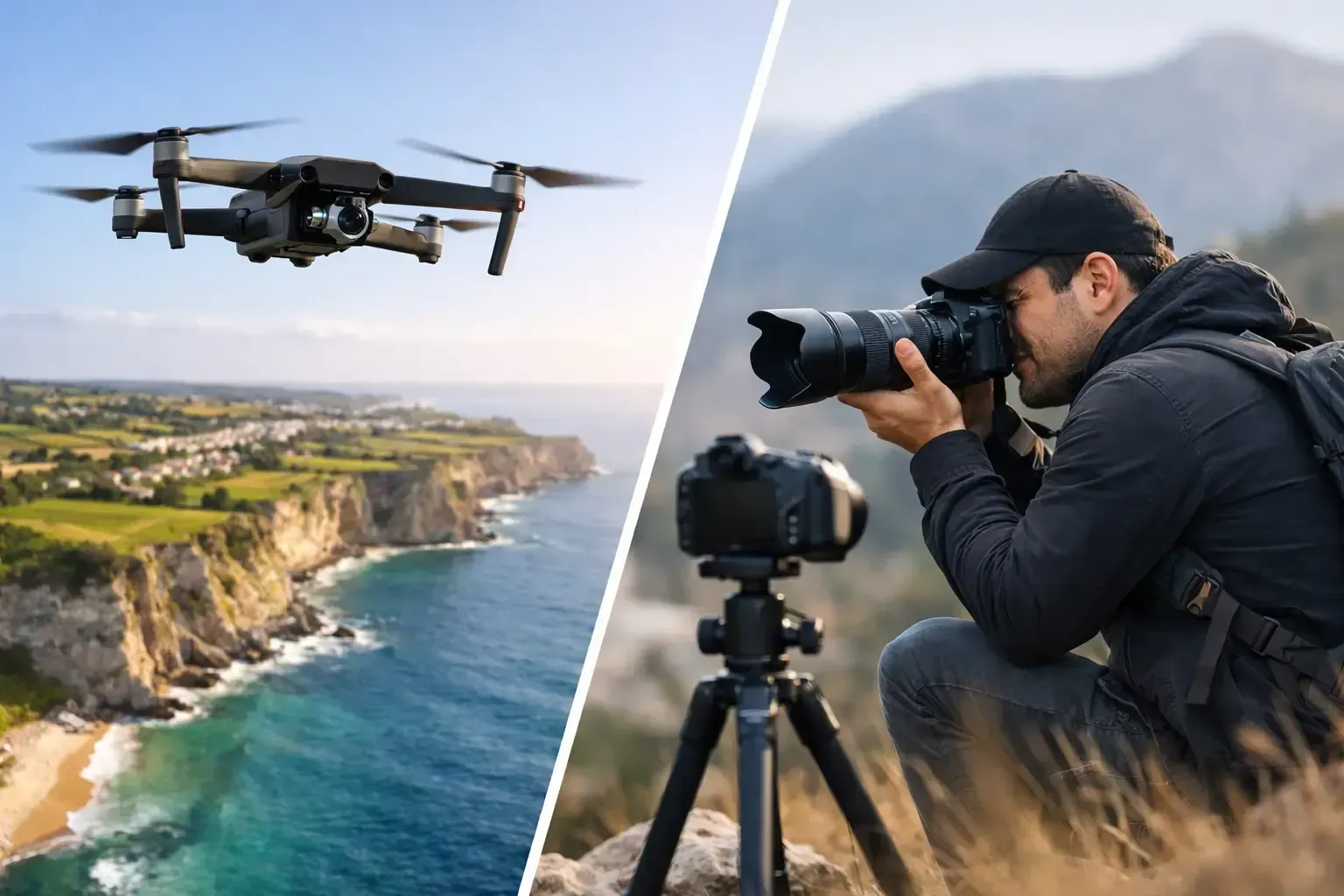
Compare aerial photography vs ground photography for real estate, construction, inspections, and events to choose the right view for better results.
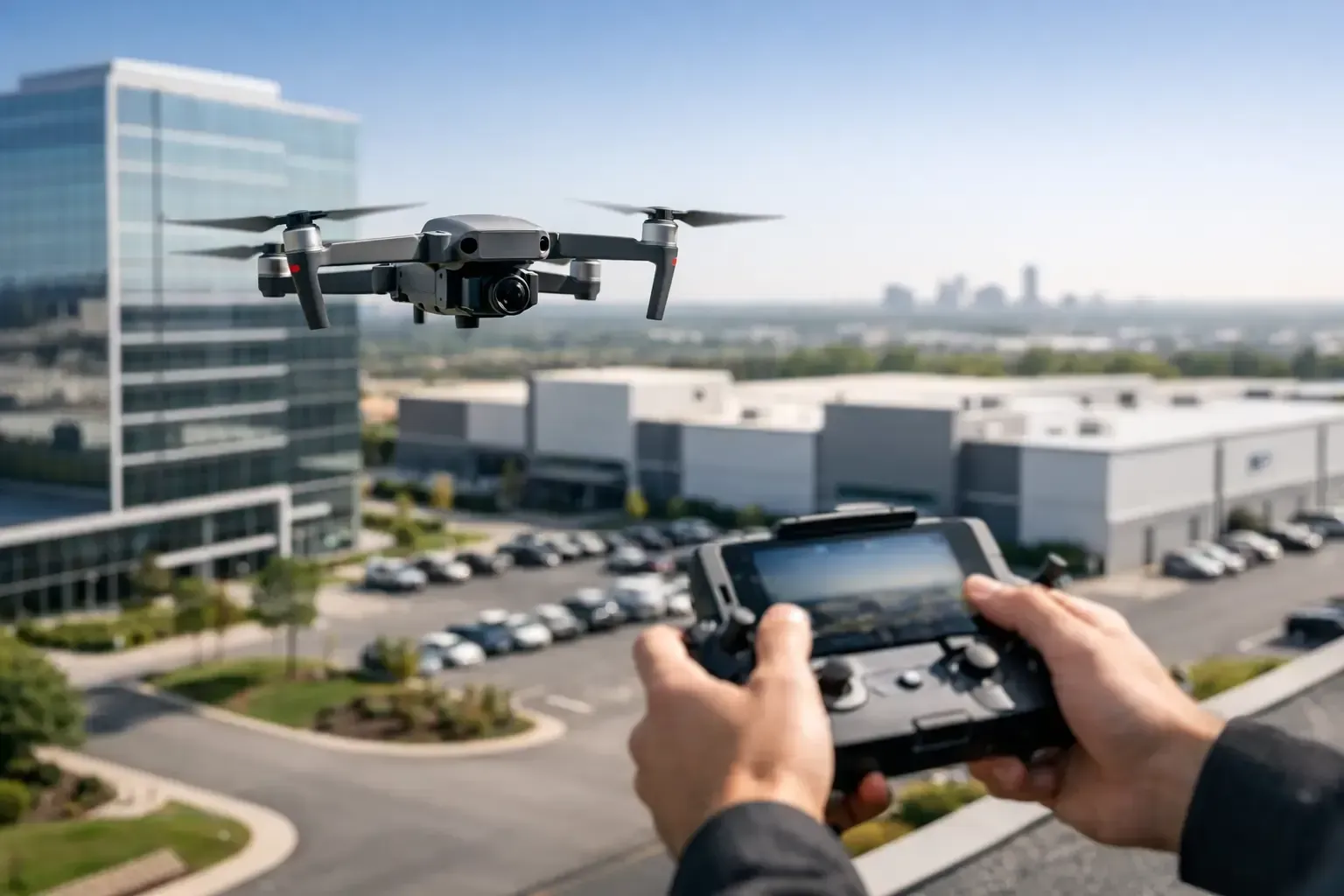
A practical guide to commercial real estate drone marketing, from planning shots and compliance to video strategy, buyer appeal, and ROI.
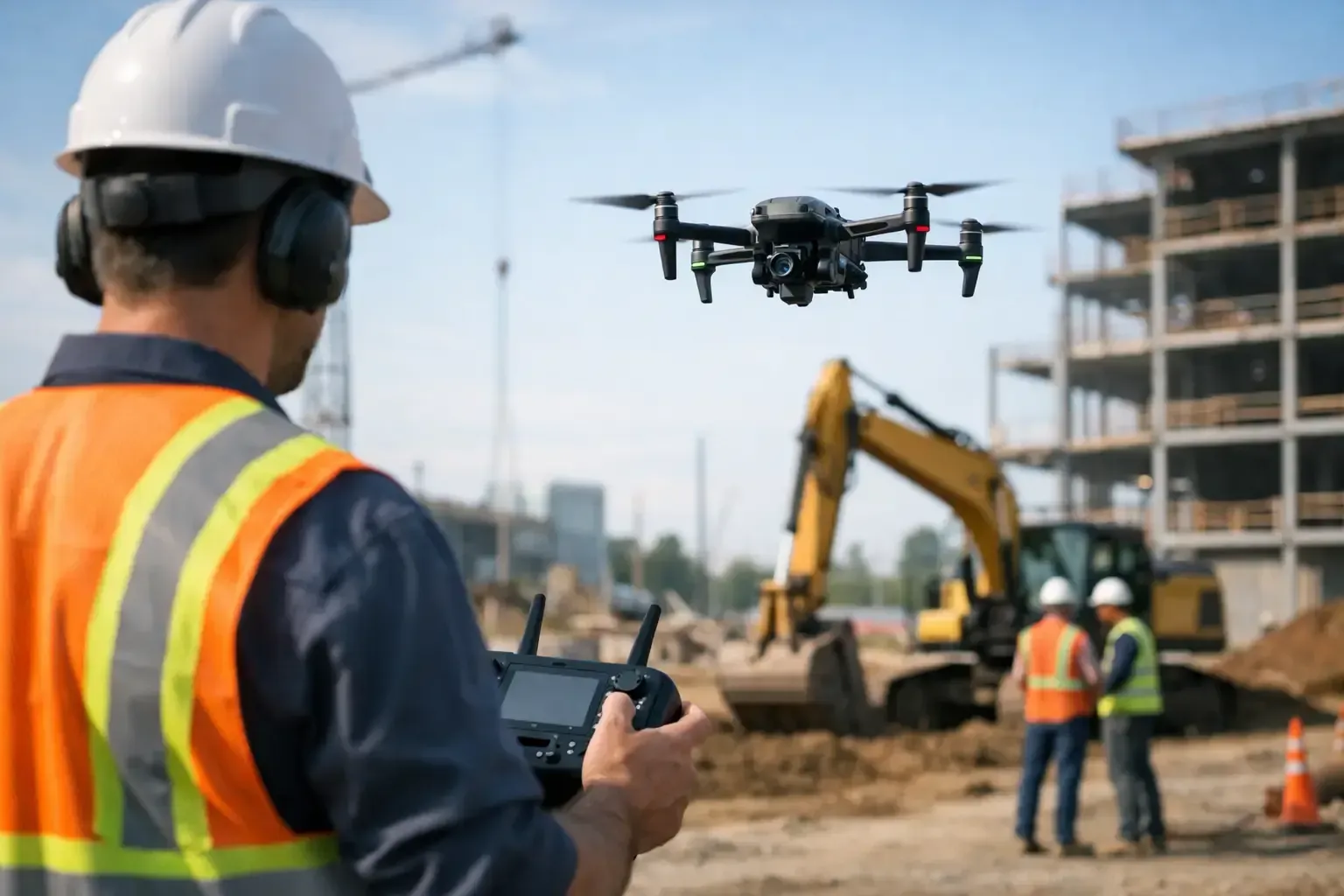
Active jobsite drone safety protects crews, schedules, and data quality. Learn how certified operators manage risk on busy construction sites.
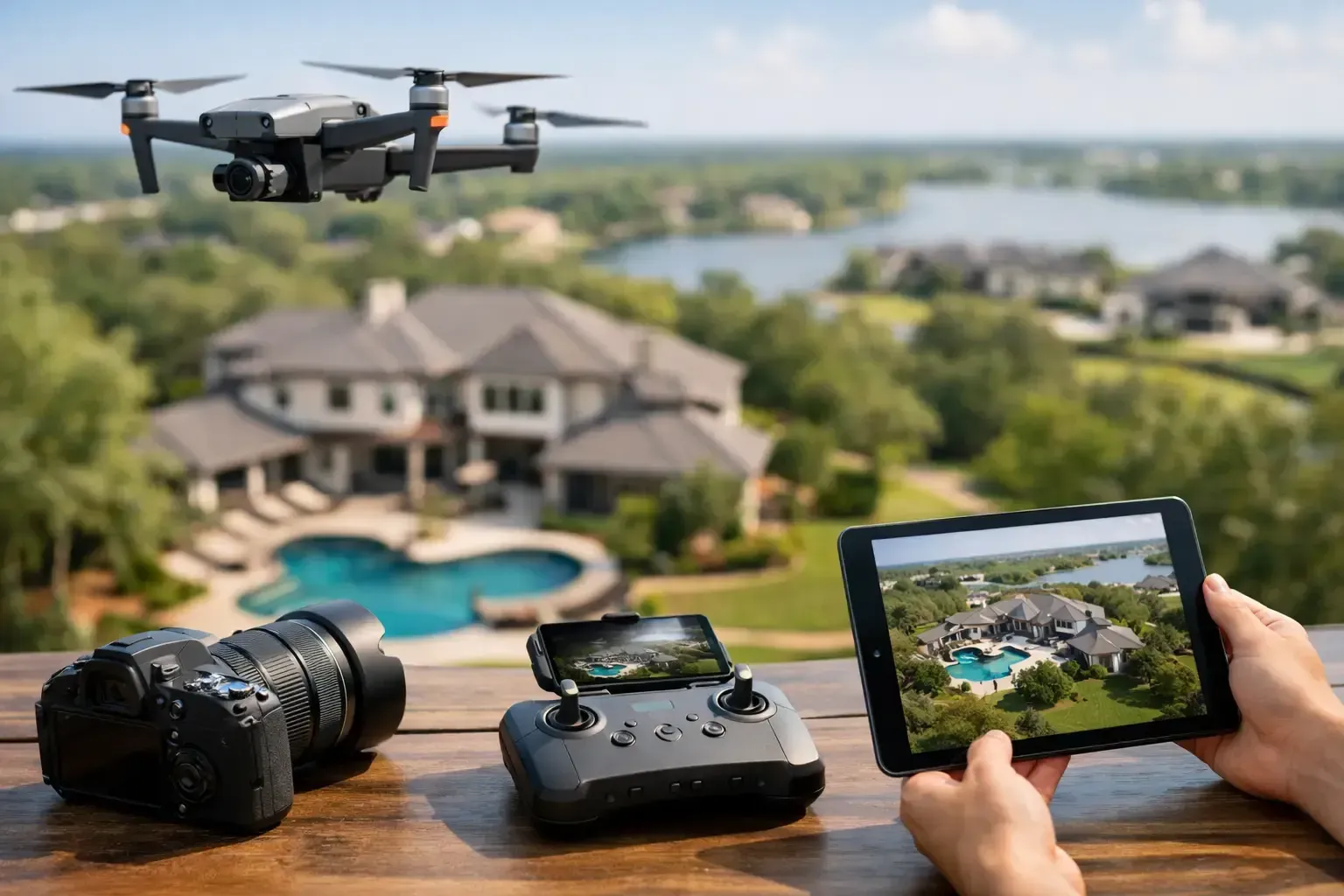
A real estate aerial media guide for agents, brokers, and owners who need better listing photos, video, compliance, and faster marketing results.
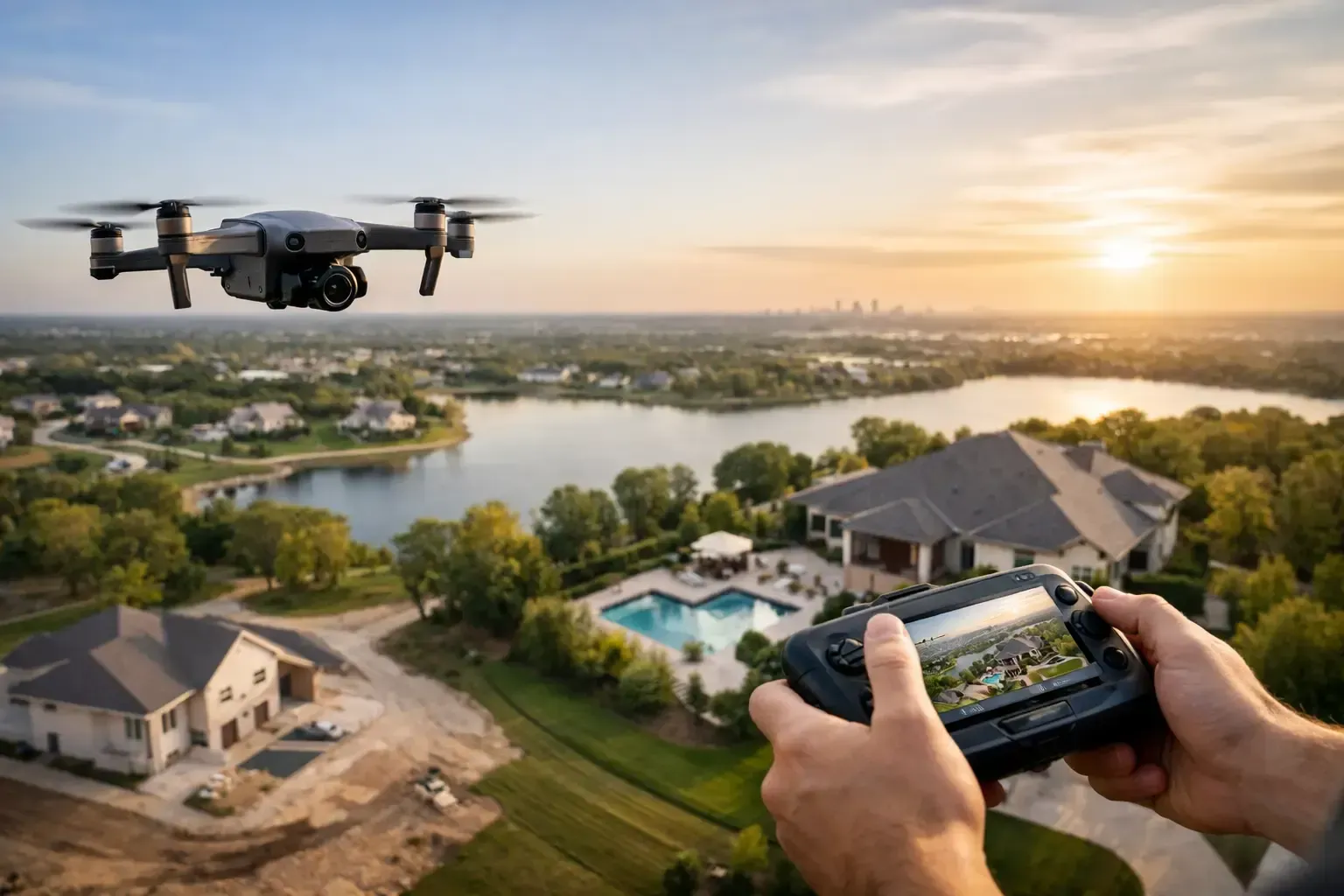
See the top benefits of aerial property media for real estate, construction, and inspections, from stronger marketing to safer, faster decisions.
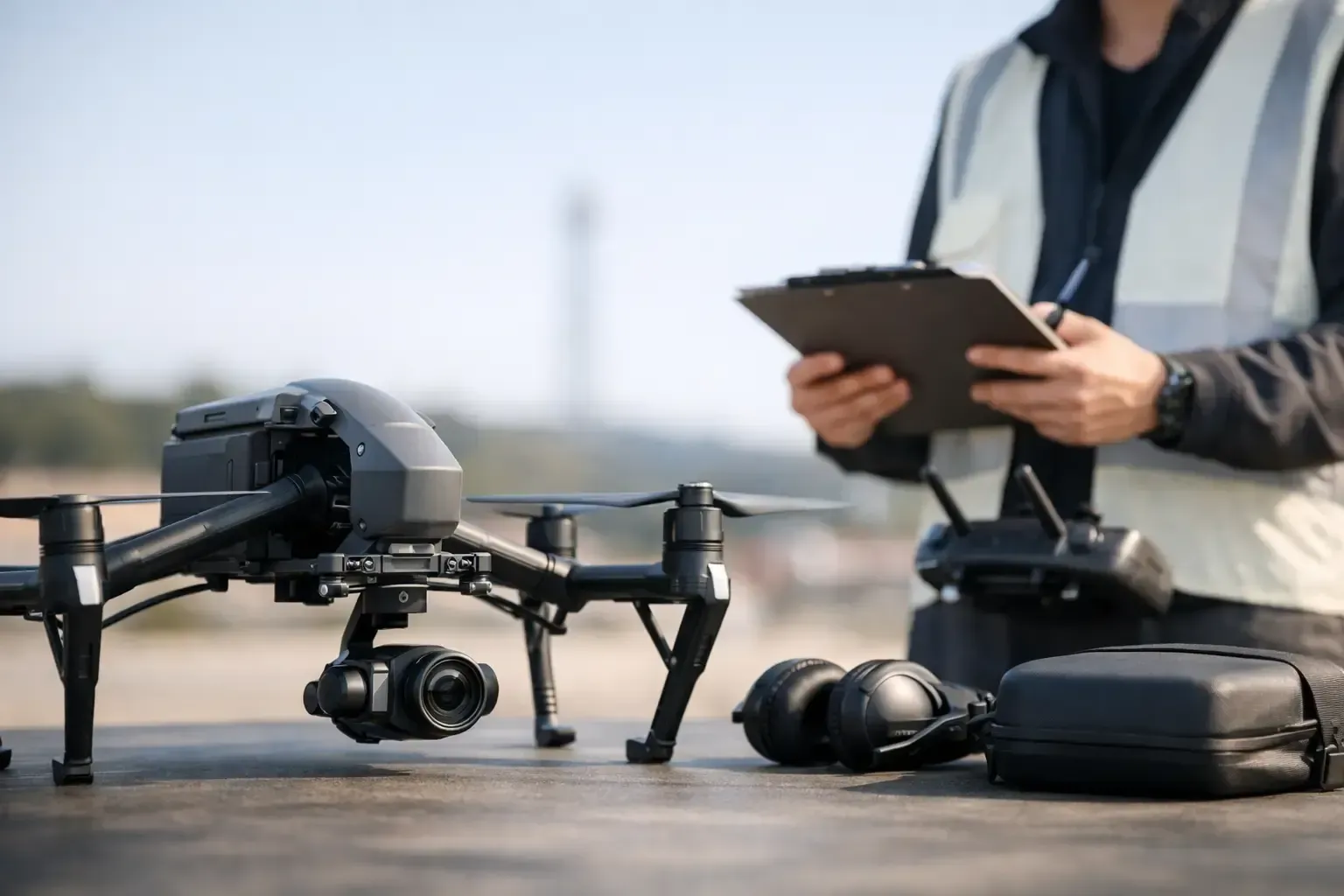
A commercial drone compliance guide for property teams, contractors, and brokers who need safe, legal flights, clear paperwork, and reliable results.
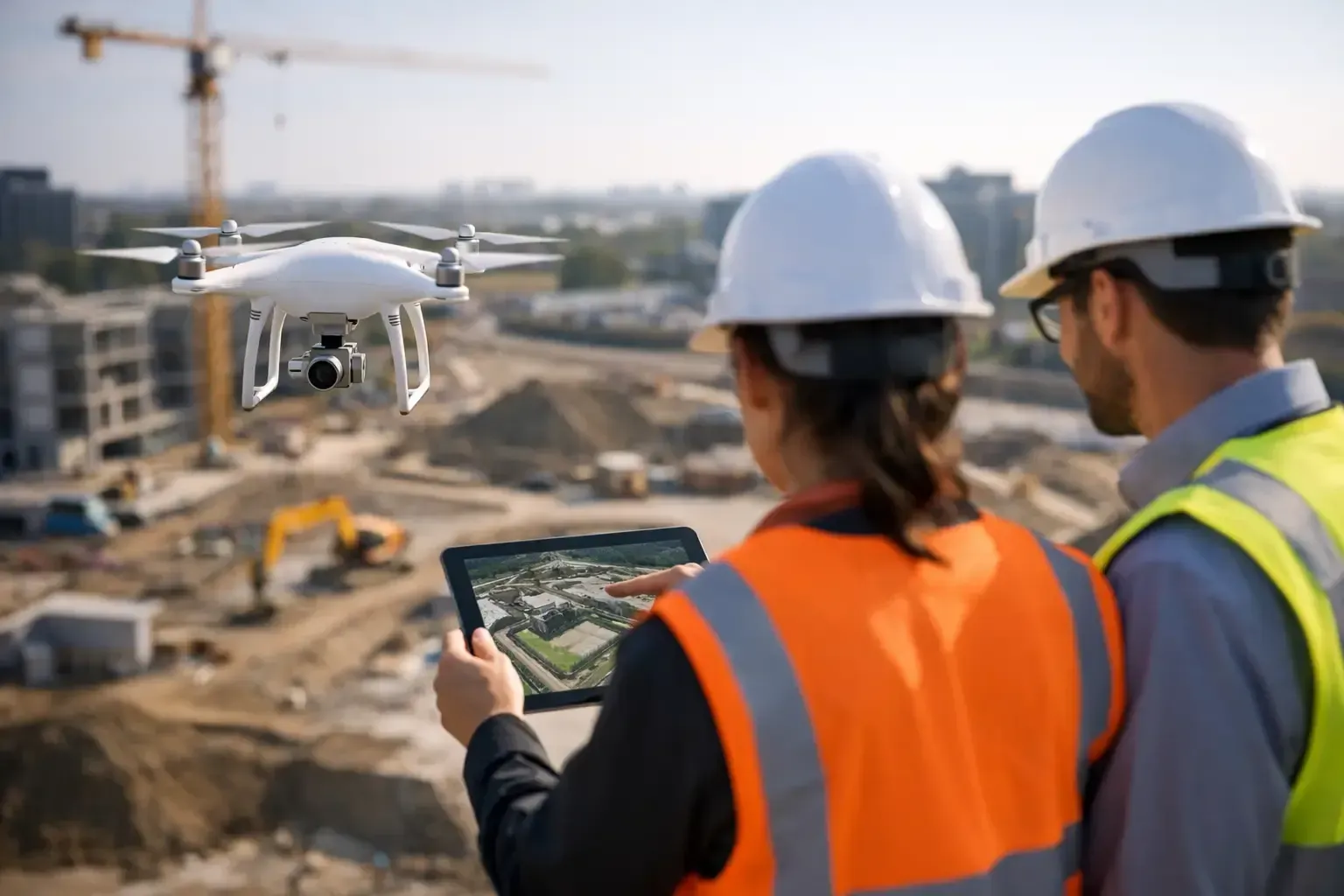
Construction drone mapping gives builders faster site data, clearer progress tracking, and safer planning for grading, volumes, and documentation.