

Phoenix Drone Pros
Blog
phoenixdronepros • July 10, 2023
Interview with a Professional Drone Photographer: Tips and Tricks for Capturing Stunning Images
In this article, we will share their valuable insights, helping both beginners and enthusiasts enhance their drone photography skills and capture stunning images.
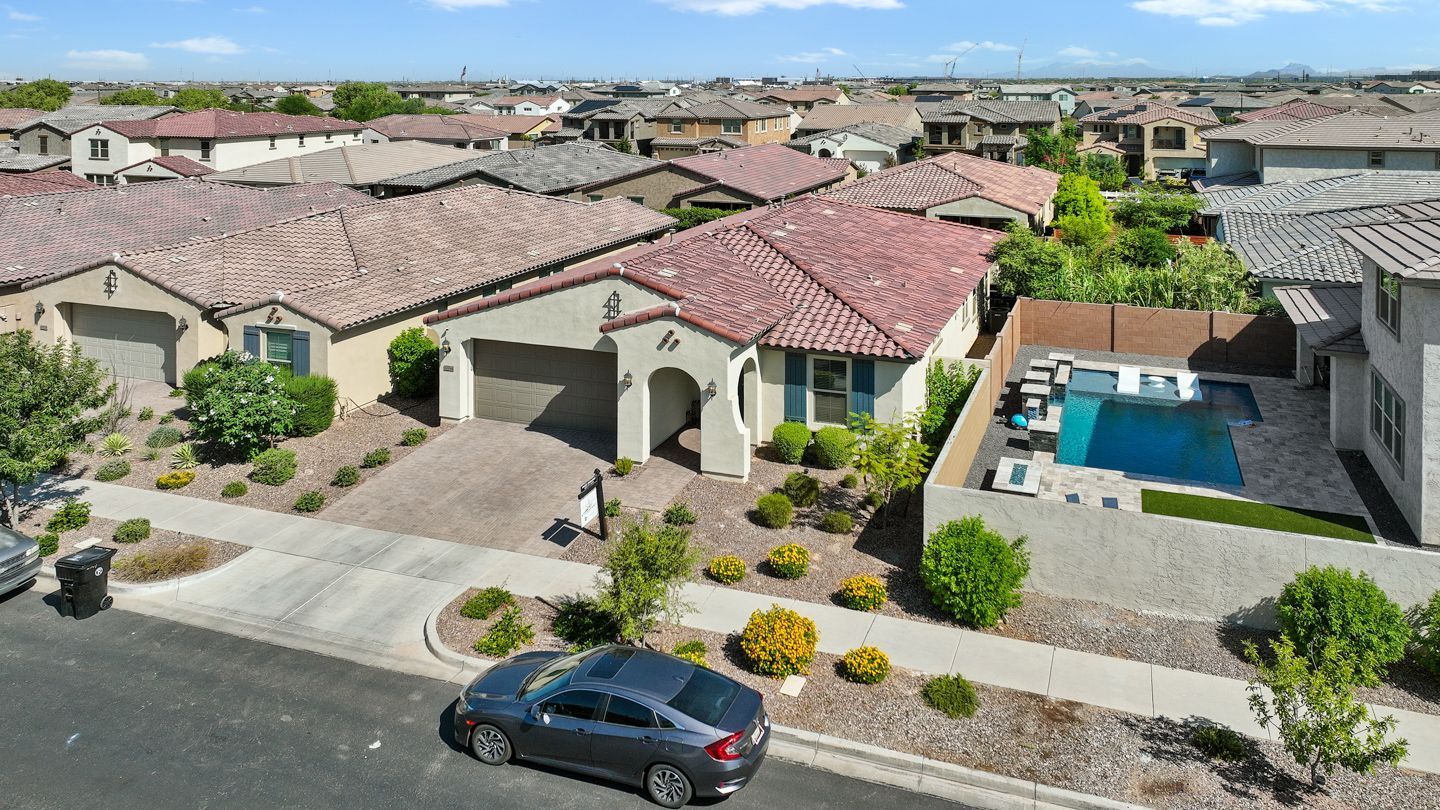
In recent years, the use of drones in photography has become increasingly popular. With their ability to reach great heights and capture breathtaking aerial views, drones have revolutionized the world of photography. To delve deeper into the art of drone photography and uncover some insider tips and tricks, we had the privilege of interviewing a professional drone photographer. In this article, we will share their valuable insights, helping both beginners and enthusiasts enhance their drone photography skills and capture stunning images.
a) Know your equipment: Understanding the features and limitations of your drone is crucial. Spend time familiarizing yourself with the controls, camera settings, and flight modes. This must become second nature, something you don't even have to think about. PRACTICE!
b) Practice flying: Before attempting intricate shots, practice flying your drone in an open and safe environment. This will help you gain confidence and improve your piloting skills. Go to a nearby park that is drone friendly and practice.
c) Follow the rules: Familiarize yourself with the local drone regulations and guidelines. Adhering to these rules ensures safety and legality while capturing your images. Don't fly over people or roads. Be safe.
Drone photography offers a unique perspective and opens up a world of possibilities for capturing stunning images. By mastering the basics, planning your shots, understanding composition, experimenting with angles, and leveraging post-processing techniques, you can take your drone photography to new heights. Remember, practice is key, so get out there, explore, and continue honing your skills. With dedication and creativity, you'll be well on your way to capturing breathtaking aerial images that will leave viewers in awe. You can contact Phoenix Drone Pros for one-on-one training here .
Disclaimer: The views and opinions expressed in this article are those of Robert Biggs and do not necessarily reflect the official policy or position of Phoenix Drone Pros.
Mastering Drone Photography Basics
Our interviewee, Robert Biggs, owner of Phoenix Drone Pros , stressed the importance of mastering the basics before diving into more advanced techniques. Here are a few essential tips he shared:a) Know your equipment: Understanding the features and limitations of your drone is crucial. Spend time familiarizing yourself with the controls, camera settings, and flight modes. This must become second nature, something you don't even have to think about. PRACTICE!
b) Practice flying: Before attempting intricate shots, practice flying your drone in an open and safe environment. This will help you gain confidence and improve your piloting skills. Go to a nearby park that is drone friendly and practice.
c) Follow the rules: Familiarize yourself with the local drone regulations and guidelines. Adhering to these rules ensures safety and legality while capturing your images. Don't fly over people or roads. Be safe.
Planning Your Shots
Planning plays a vital role in capturing stunning drone images. Our professional photographer, Robert Biggs, highlighted the significance of thorough preparation:a) Scout your location:
Research the area you plan to shoot in advance. Identify interesting landmarks, points of interest, and potential obstacles that may affect your flight. Always look up, look for power lines, trees, or buildings that may affect your flight path, or "return to home" path.b) Consider lighting conditions:
Lighting is crucial for any type of photography. Pay attention to the time of day and weather conditions to determine the best lighting for your shots. The golden hour or twilight always looks the best.c) Create a shot list:
Develop a shot list or storyboard to visualize your desired images. This will help you stay focused during the shoot and ensure you capture all the shots you envision.Composition and Framing
Composition plays a crucial role in creating visually appealing images. Here are some tips Mr. Biggs shared:a) Rule of thirds:
Apply the rule of thirds to compose your shots. Imagine a grid dividing the frame into nine equal parts, and position your subject or point of interest along the intersecting lines or at their intersections.b) Leading lines:
Utilize leading lines such as roads, rivers, or other prominent features to draw the viewer's eye into the image and create a sense of depth.c) Foreground interest:
Incorporate elements in the foreground to add depth and context to your aerial shots. This could include trees, buildings, or any other visually appealing objects.Experiment with Angles and Perspectives
One of the advantages of drone photography is the ability to capture unique angles and perspectives. Our interviewee emphasized the importance of experimentation:a) Low and high angles:
Vary your drone's altitude to capture shots from both low and high angles. Low-level shots can create a more intimate and detailed view, while high-level shots can provide a broader perspective.b) Tilt and yaw movements:
Use your drone's tilt and yaw movements to add dynamism and creativity to your shots. Experiment with different angles and camera movements to capture intriguing compositions.c) Capture motion:
Drones allow you to capture dynamic shots by incorporating motion blur. Experiment with slow shutter speeds to capture movement in water, traffic, or other elements, adding a sense of drama to your images.Post-Processing and Editing
Post-processing is an essential part of any photographer's workflow. Our professional photographer shared some editing tips:a) Shoot in RAW format:
RAW files retain more data and offer greater flexibility during post-processing. This allows you to adjust exposure, colors, and other elements without sacrificing image quality. Also, shoot in 4:3 format to capture a larger image, you can always crop later.b) Enhance colors and contrast:
Adjusting colors and contrast can significantly enhance the visual impact of your images. However, strive for a natural and realistic look, avoiding excessive saturation or artificial effects. HDR images seem to be popular these days, use AEB to create these stunning images.c) Straighten horizons:
A common issue in aerial photography is uneven horizons. Use editing software to straighten horizons, creating a more balanced and visually appealing composition. ALWAYS make sure your horizon is spot on level.Conclusion
Drone photography offers a unique perspective and opens up a world of possibilities for capturing stunning images. By mastering the basics, planning your shots, understanding composition, experimenting with angles, and leveraging post-processing techniques, you can take your drone photography to new heights. Remember, practice is key, so get out there, explore, and continue honing your skills. With dedication and creativity, you'll be well on your way to capturing breathtaking aerial images that will leave viewers in awe. You can contact Phoenix Drone Pros for one-on-one training here .
Disclaimer: The views and opinions expressed in this article are those of Robert Biggs and do not necessarily reflect the official policy or position of Phoenix Drone Pros.
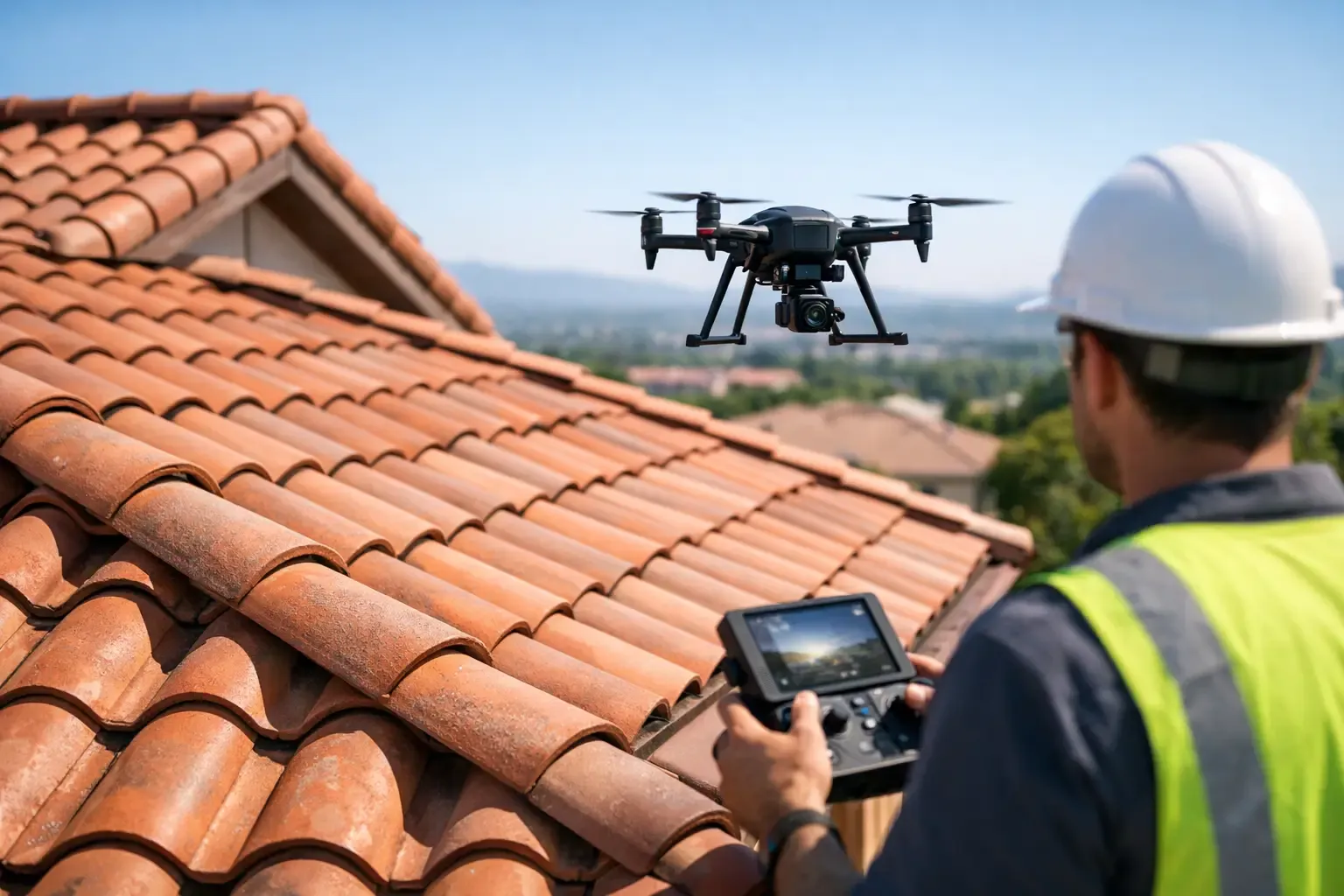
Can drones inspect tile roofs without risking damage? Learn what aerial imaging finds, where hands-on checks remain necessary, and how to plan safely.
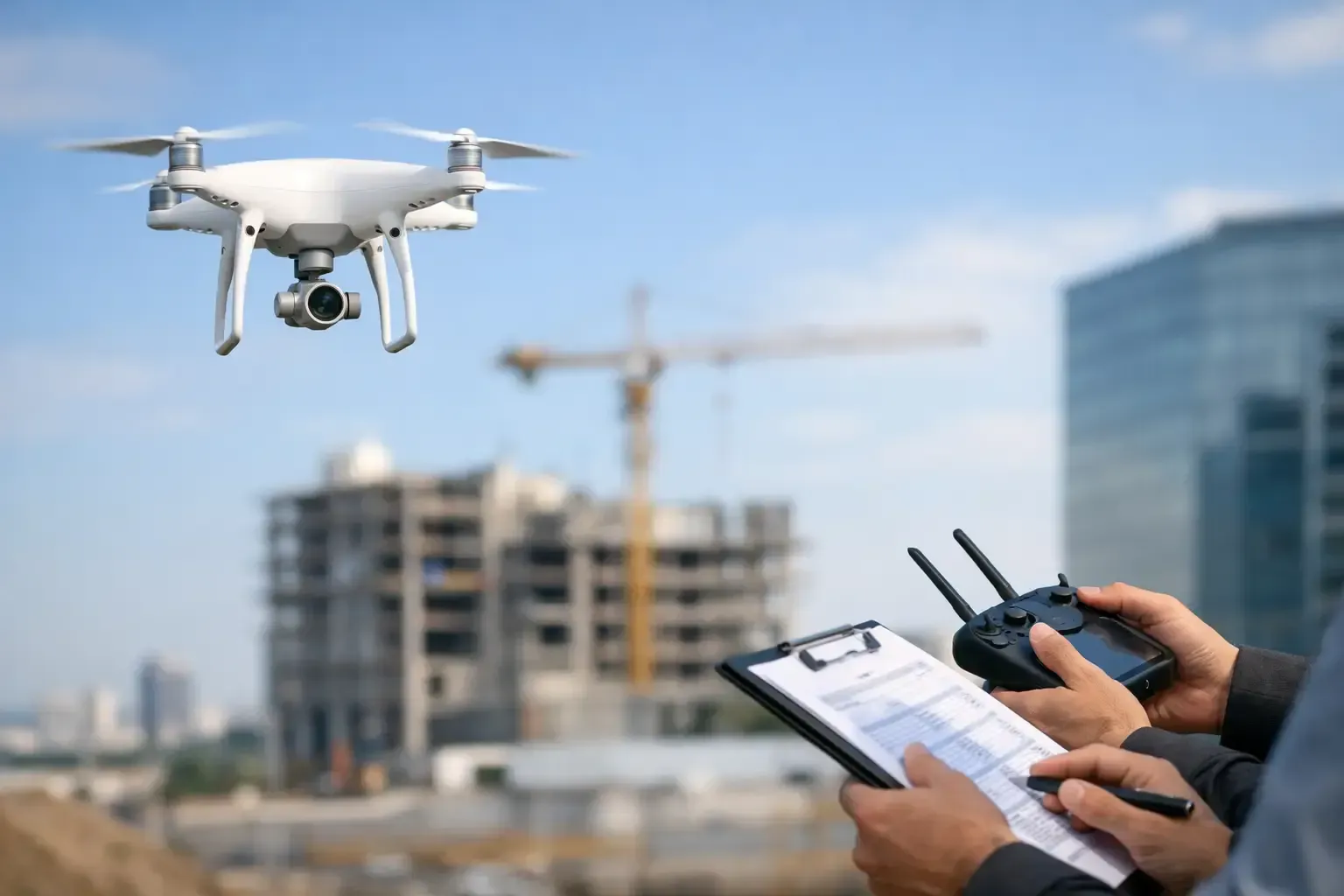
When are drone permits needed for a Phoenix project? Learn how airspace, property rules, waivers, and site conditions shape a compliant flight plan now.
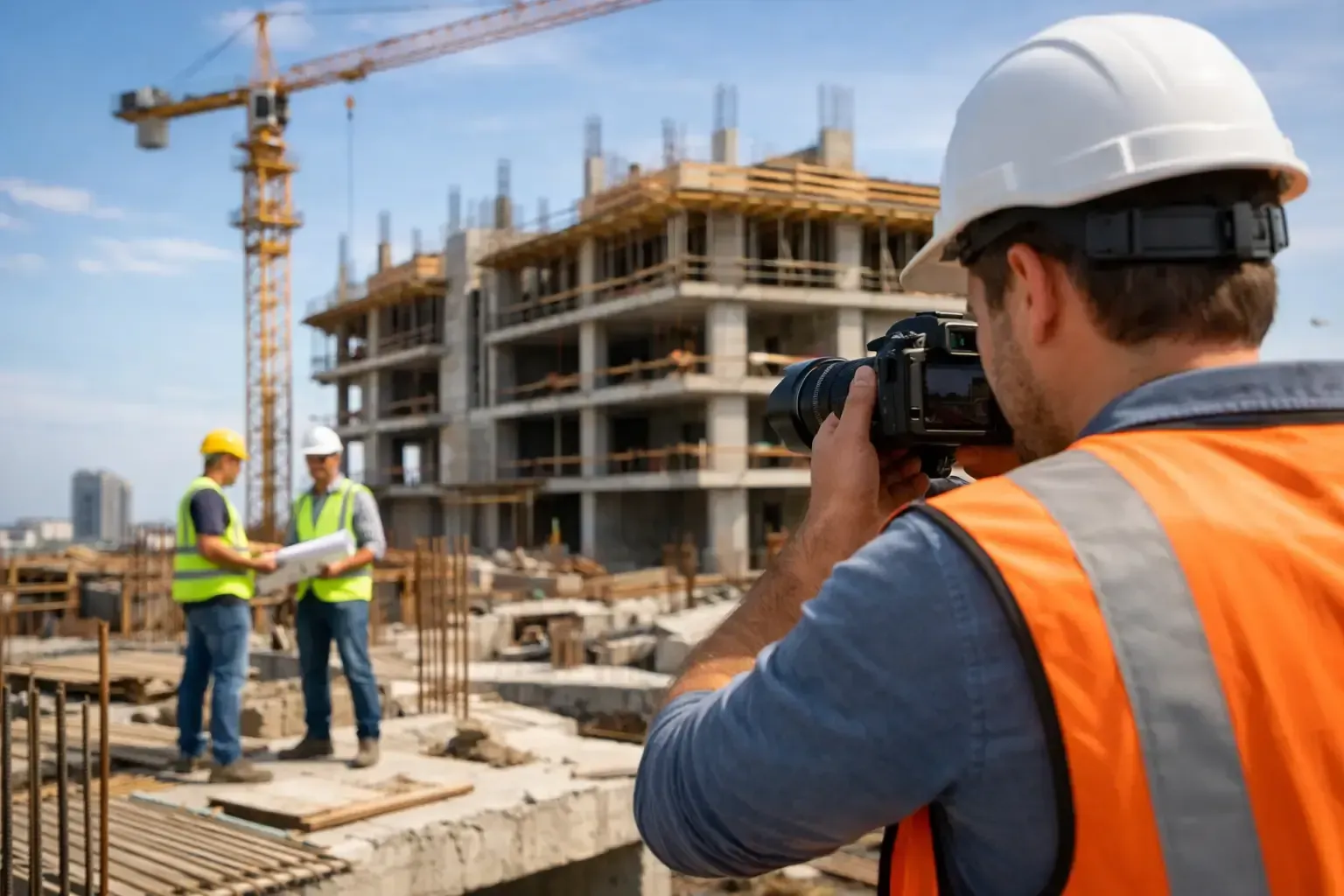
Learn how often construction progress should be photographed, with practical schedules for every project phase, stakeholder need, and jobsite risk level.
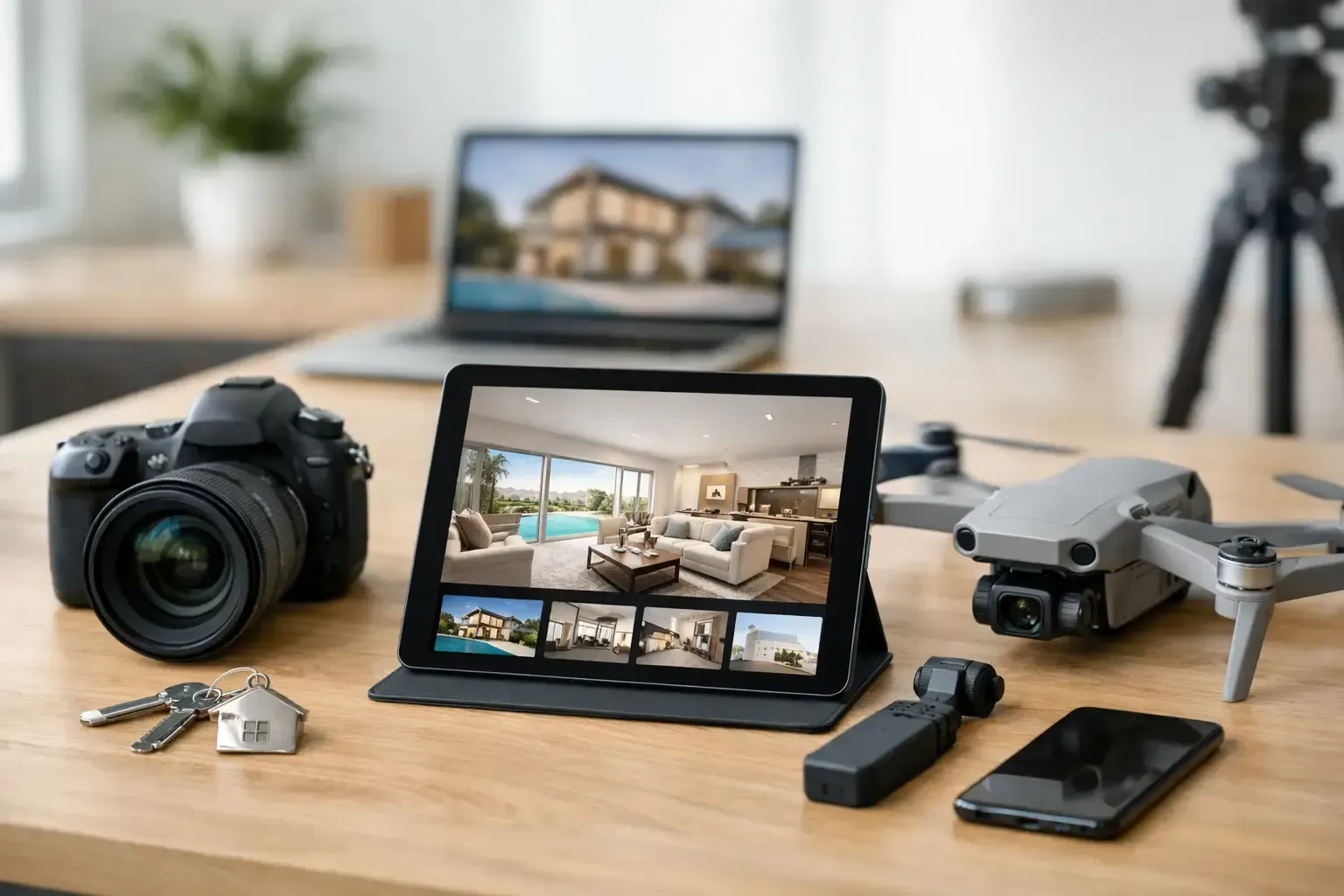
Our real estate listing media guide explains which photos, drone views, video, and floor plans help buyers understand a property online before they visit.

Learn how to document building progress with drone imagery, site logs, and reporting that helps teams catch issues and keep every stakeholder informed.
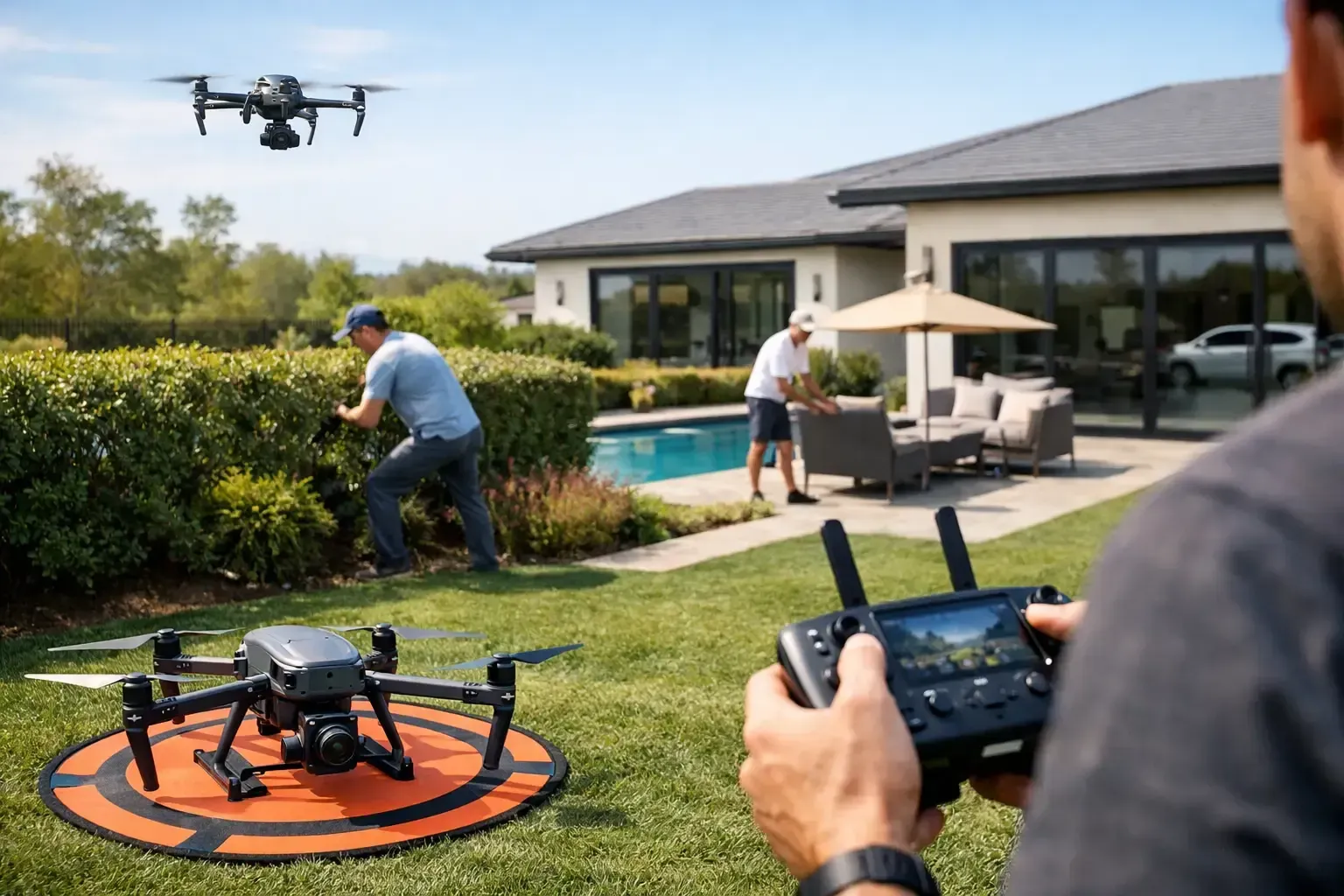
Learn how to prepare a property for aerial filming with a practical checklist for access, safety, staging, timing, and better footage before shoot day.
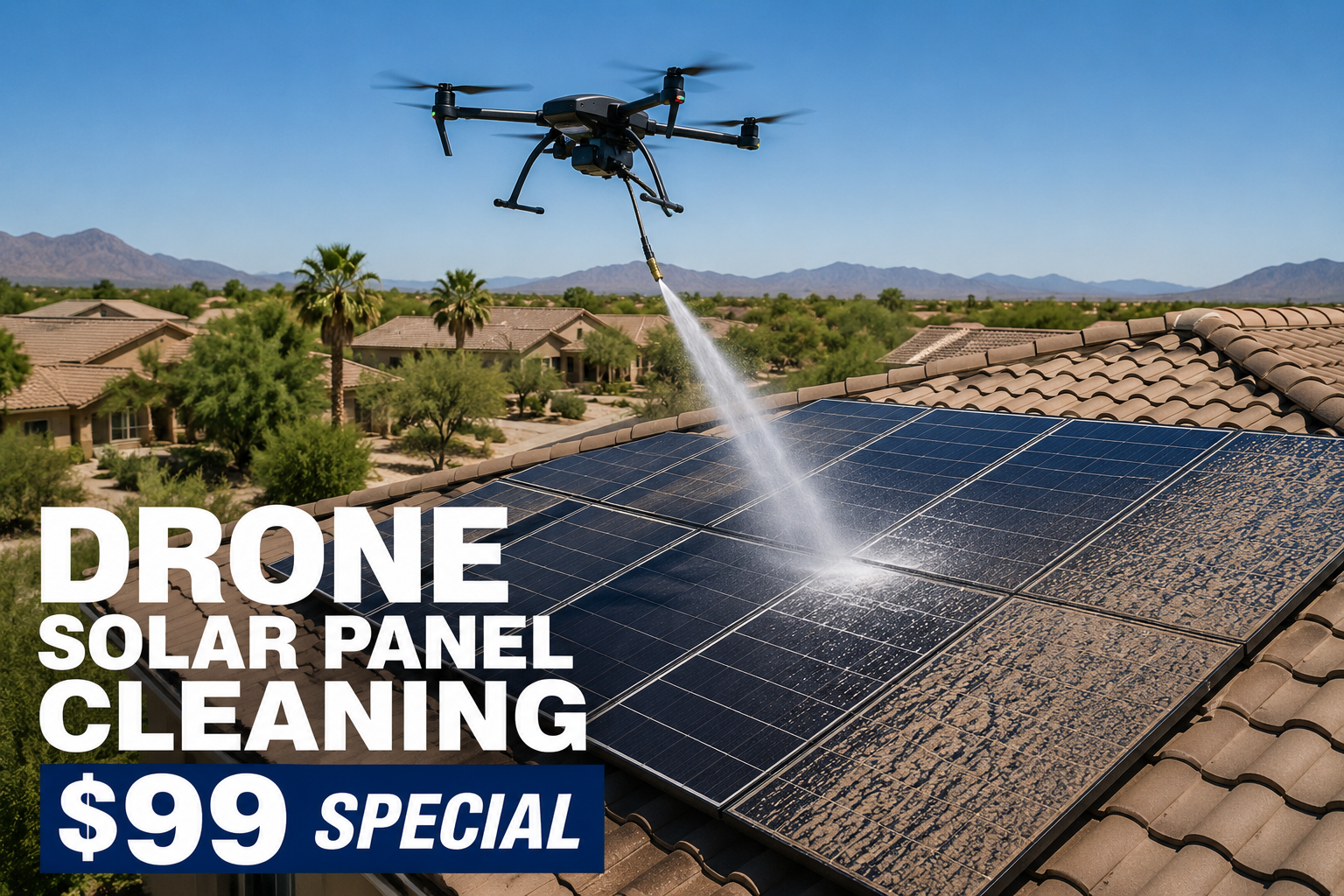
Dirty solar panels may produce less energy. Phoenix Drone Pros offers safe residential drone solar panel cleaning with a $99 first-time special.
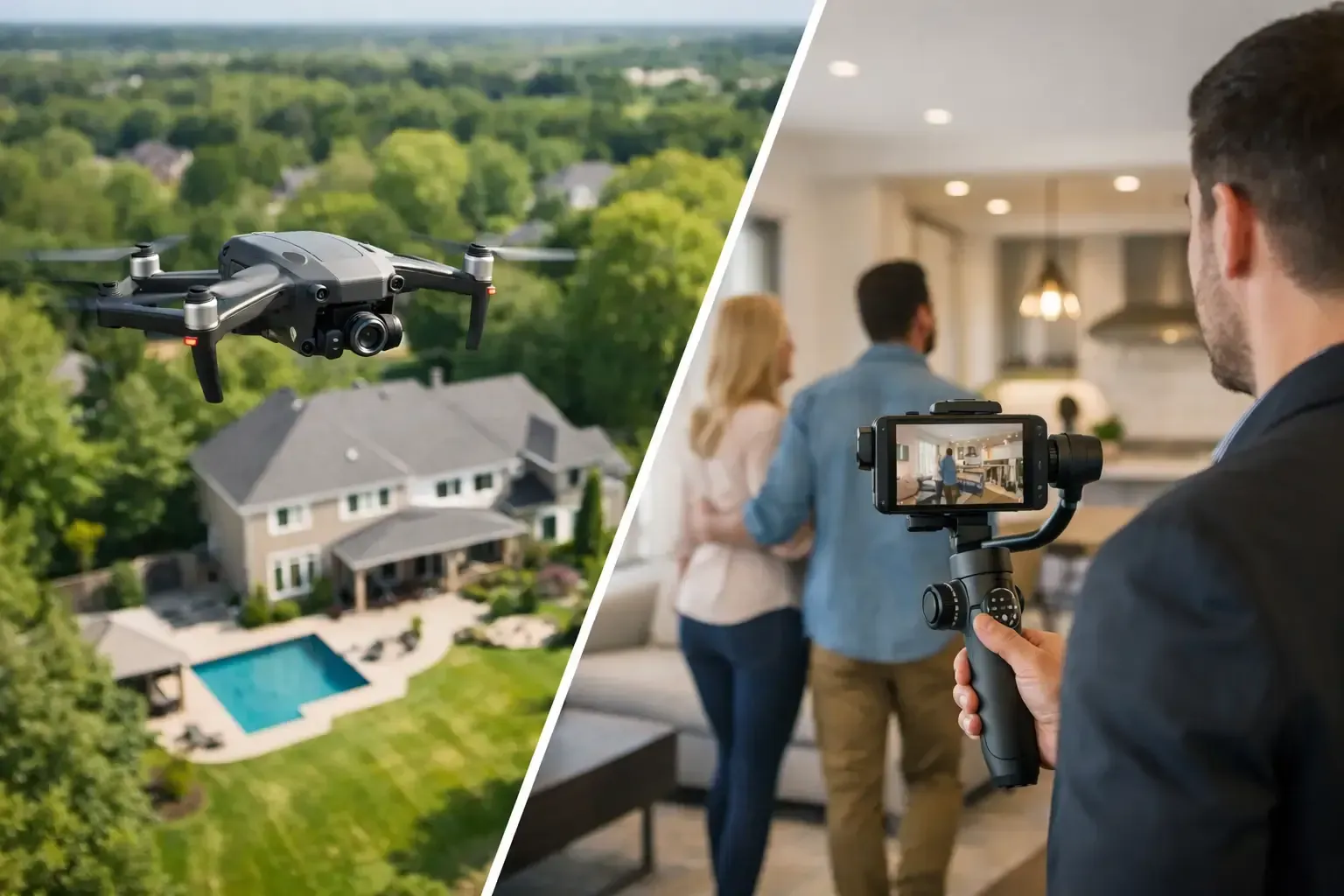
Aerial real estate video vs walkthrough video: compare buyer impact, property fit, budget, and compliance to choose the right listing media for sellers.
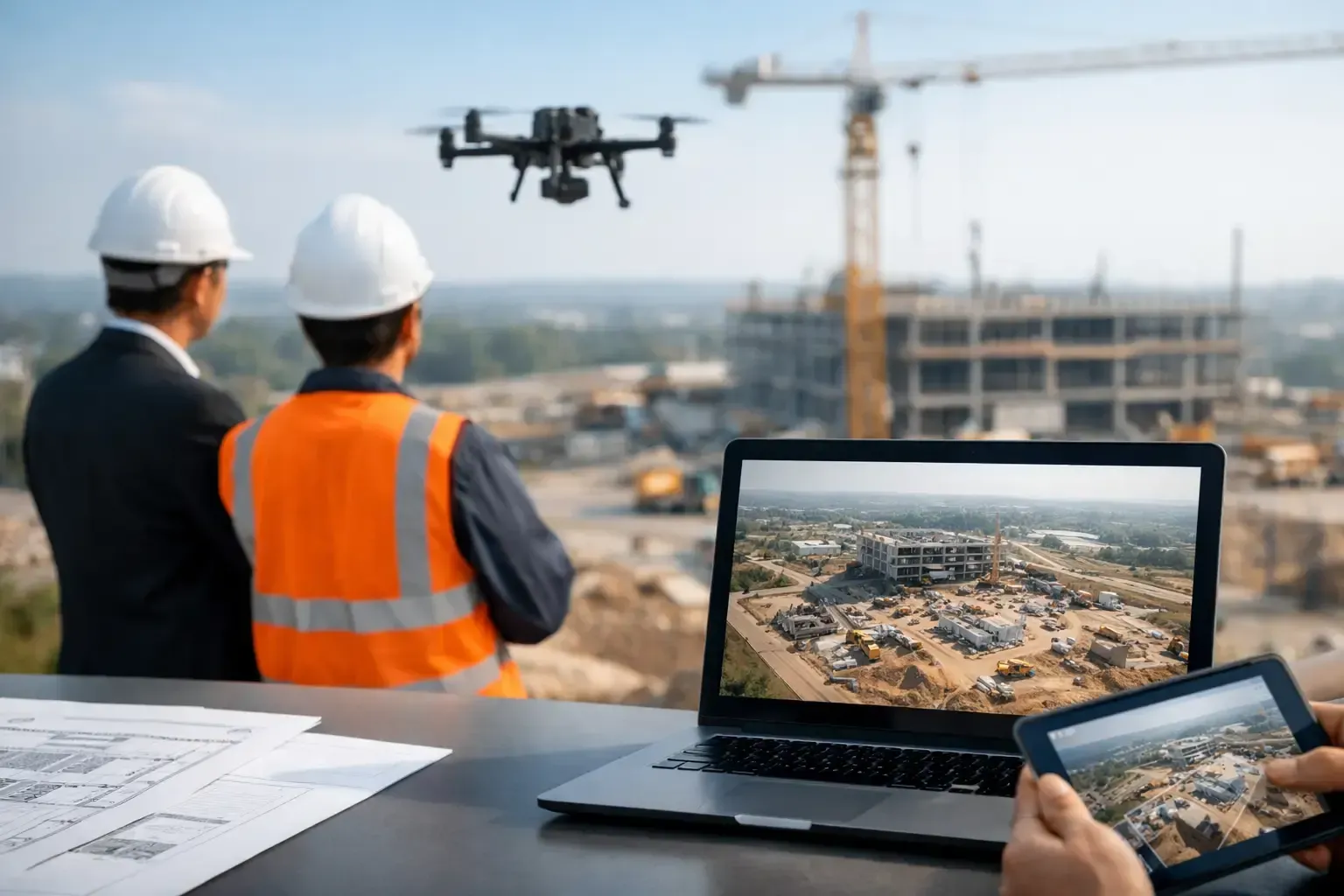
A practical guide to aerial construction reporting for stakeholders, with clear workflows, useful deliverables, and reliable jobsite updates each month.
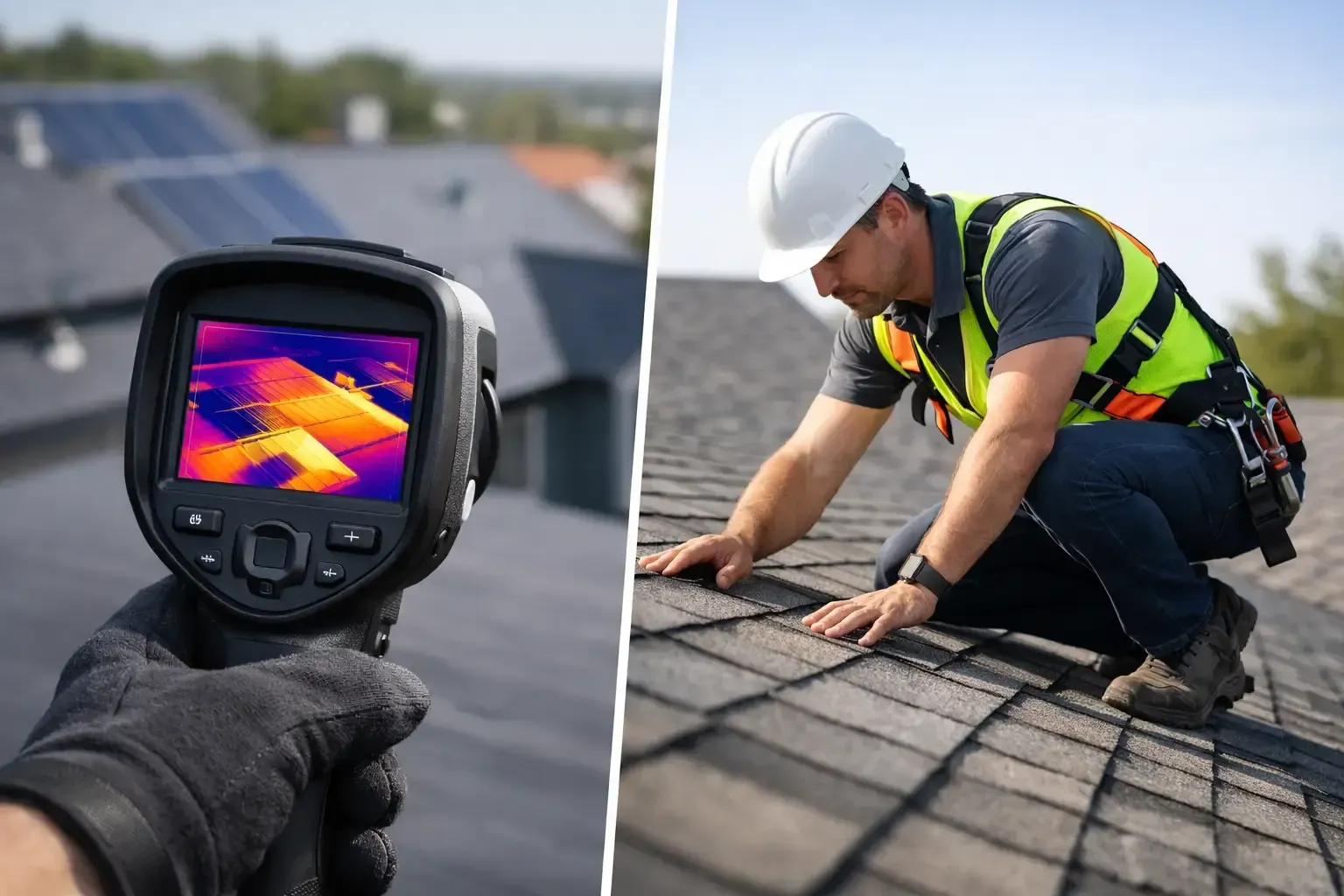
Compare a roof thermal scan vs roof walk to spot moisture, surface damage, and access risks before small roofing problems become costly repairs later.