Phoenix Drone Pros
Blog
Drone event photography services add scale, energy, and polished coverage for weddings, festivals, and business events with safe, insured flight ops.
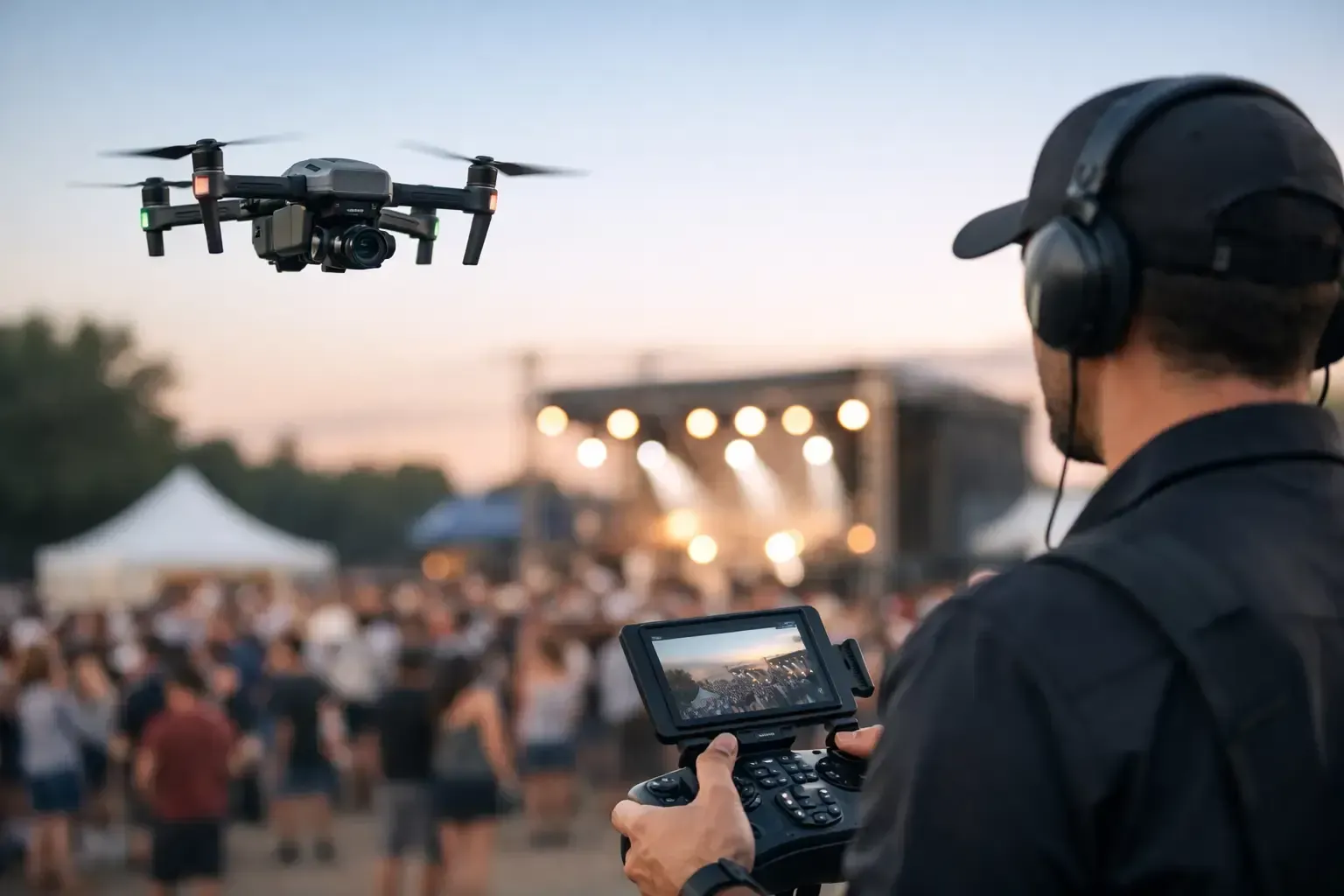
When the crowd finally fills in, the lighting hits, and the event starts moving fast, ground-level cameras can only tell part of the story. Drone event photography services give organizers, venues, brands, and couples a way to capture the full scale of what actually happened - the layout, the turnout, the atmosphere, and the moments that look far more impressive from above.
That aerial perspective is not just about getting a dramatic shot. It is about documenting an event in a way that feels complete. A corporate activation looks bigger when the crowd flow, stage footprint, and branded setup are visible in one frame. A wedding venue shows better when the ceremony site, surrounding landscape, and guest experience can all be seen together. A festival, sports event, fundraiser, or community gathering benefits from the same thing: context that standard photography cannot always provide.
What drone event photography services actually add
Most event coverage focuses on people, details, and key moments. That still matters. But aerial coverage adds a different layer of value. It shows the event as an experience rather than a collection of isolated shots.
For business events, that can support marketing after the fact. Aerial images make recap content stronger, help sponsors see attendance and activation scale, and give organizers assets they can use to promote the next event. For venues, it creates a more persuasive visual record of how the space functions when fully set. For private events, especially weddings and milestone celebrations, it captures the setting in a way that feels cinematic without losing documentary value.
There is also a practical side. Event organizers often want proof of setup quality, crowd engagement, parking flow, vendor layout, or overall site use. A drone can capture those elements quickly and efficiently, especially at large outdoor events where covering the full footprint from the ground would take much longer.
When aerial event coverage makes the biggest impact
Outdoor events are the clearest fit. Festivals, concerts, races, grand openings, school events, resort gatherings, charity functions, and real estate launch events all benefit from overhead imagery because scale is part of the story.
Weddings are another strong use case, particularly when the location matters as much as the ceremony. Desert venues, golf courses, ranch properties, resorts, and large private estates all photograph differently from the air. A well-timed aerial shot can show the ceremony setup before guests arrive, the reception glow at dusk, or the broader landscape that made the venue worth booking in the first place.
Corporate events also benefit when branding and turnout matter. If a business is investing in staging, signage, tenting, product displays, or a large guest footprint, aerial imagery turns those investments into usable marketing assets. The same applies to nonprofit events that rely on sponsor visibility and public momentum.
That said, not every event is ideal for drone coverage. Tight urban spaces, indoor venues, heavy tree cover, and locations near airports or restricted airspace can limit flight options. In those cases, the right provider should be clear about what is possible, what requires approval, and whether drone coverage is worth pursuing at all.
Drone event photography services are not just about flying
This is where many buyers make the wrong comparison. They assume hiring a drone operator is mostly about owning the aircraft. It is not. For events, flight planning, compliance, timing, and judgment matter just as much as image quality.
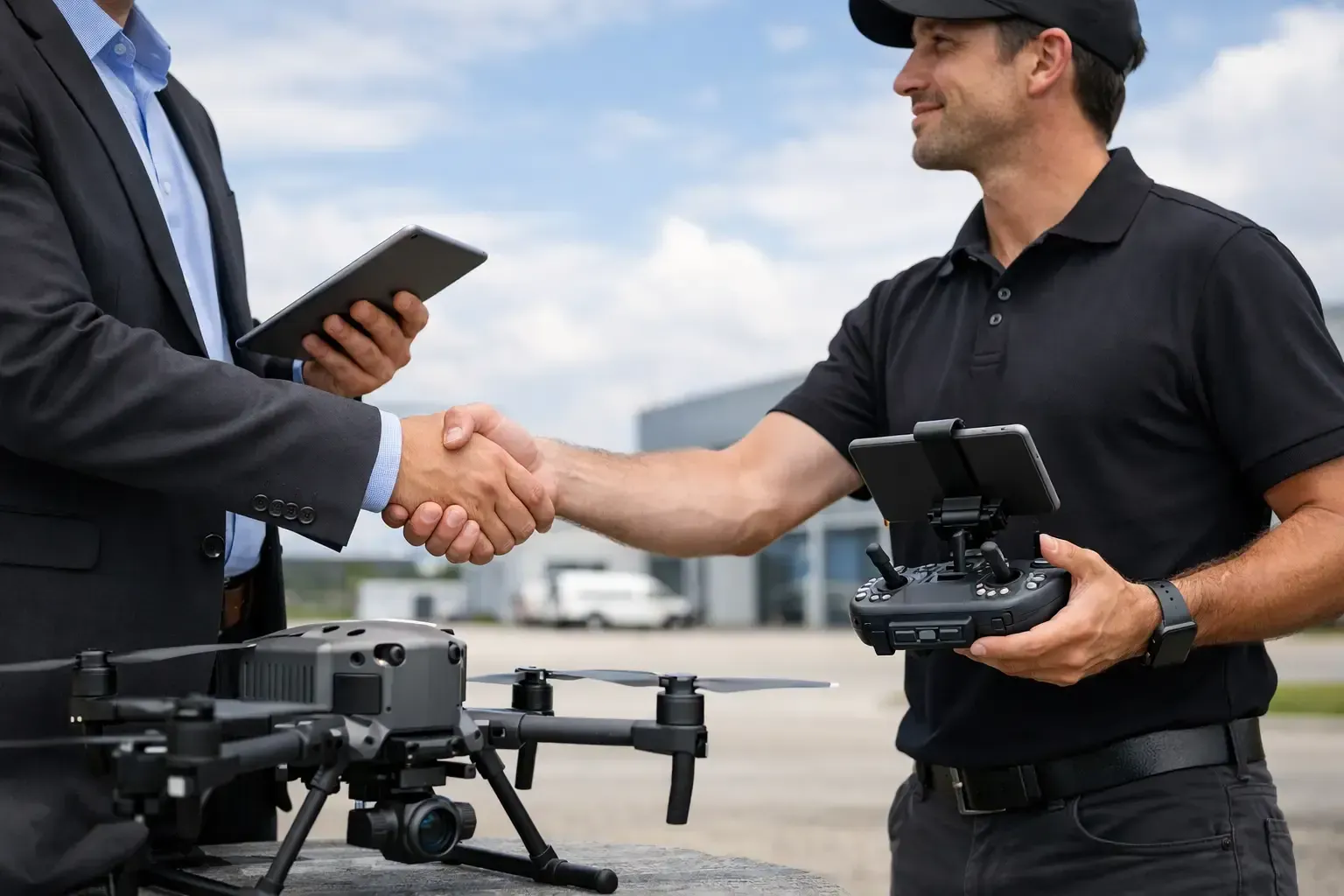
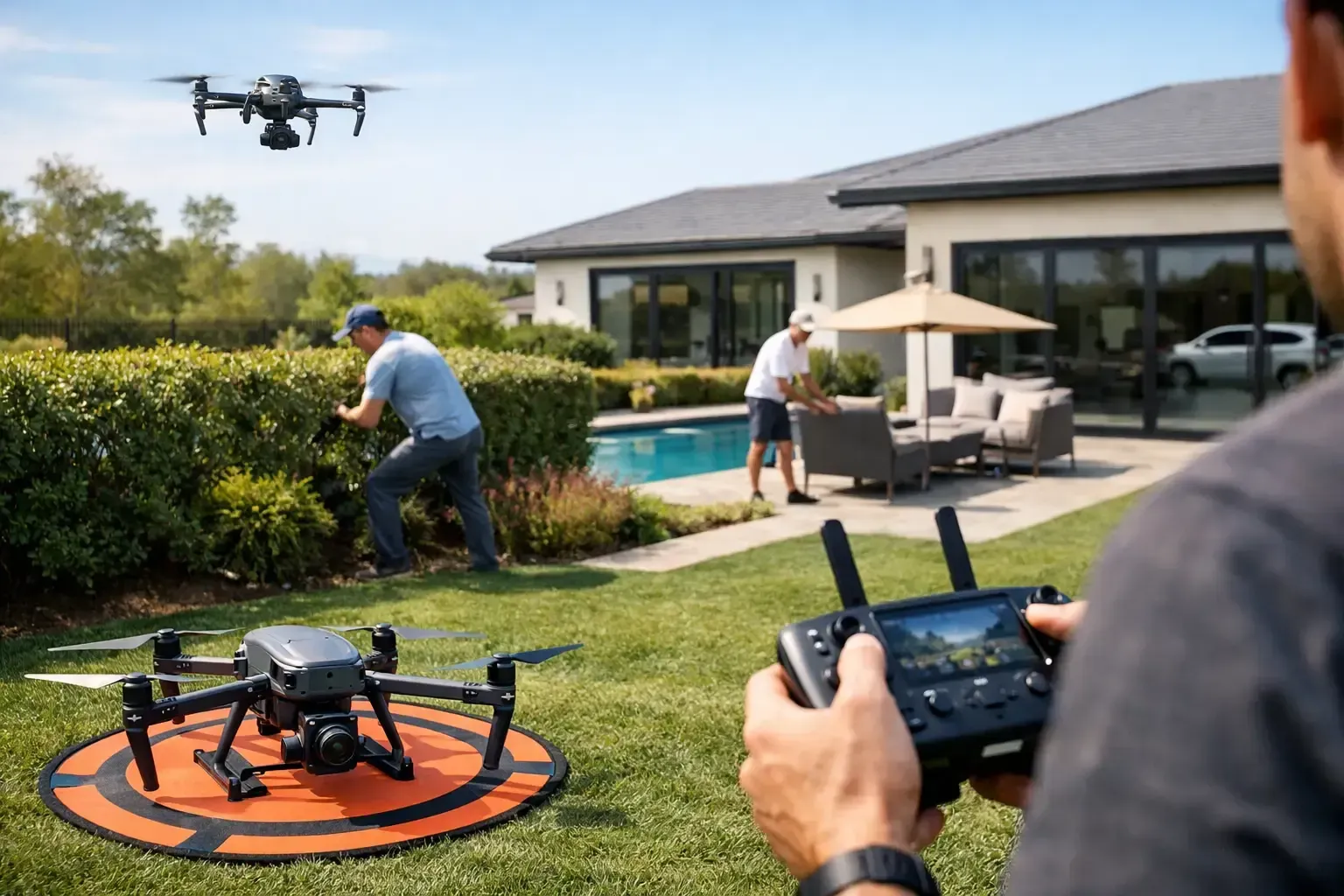
A professional operator should be FAA certified, insured, and experienced in active environments where people, structures, schedules, and changing site conditions all affect the flight plan. That includes understanding launch and recovery areas, maintaining safe standoff distances, monitoring weather and lighting conditions, and working around the event timeline rather than disrupting it.
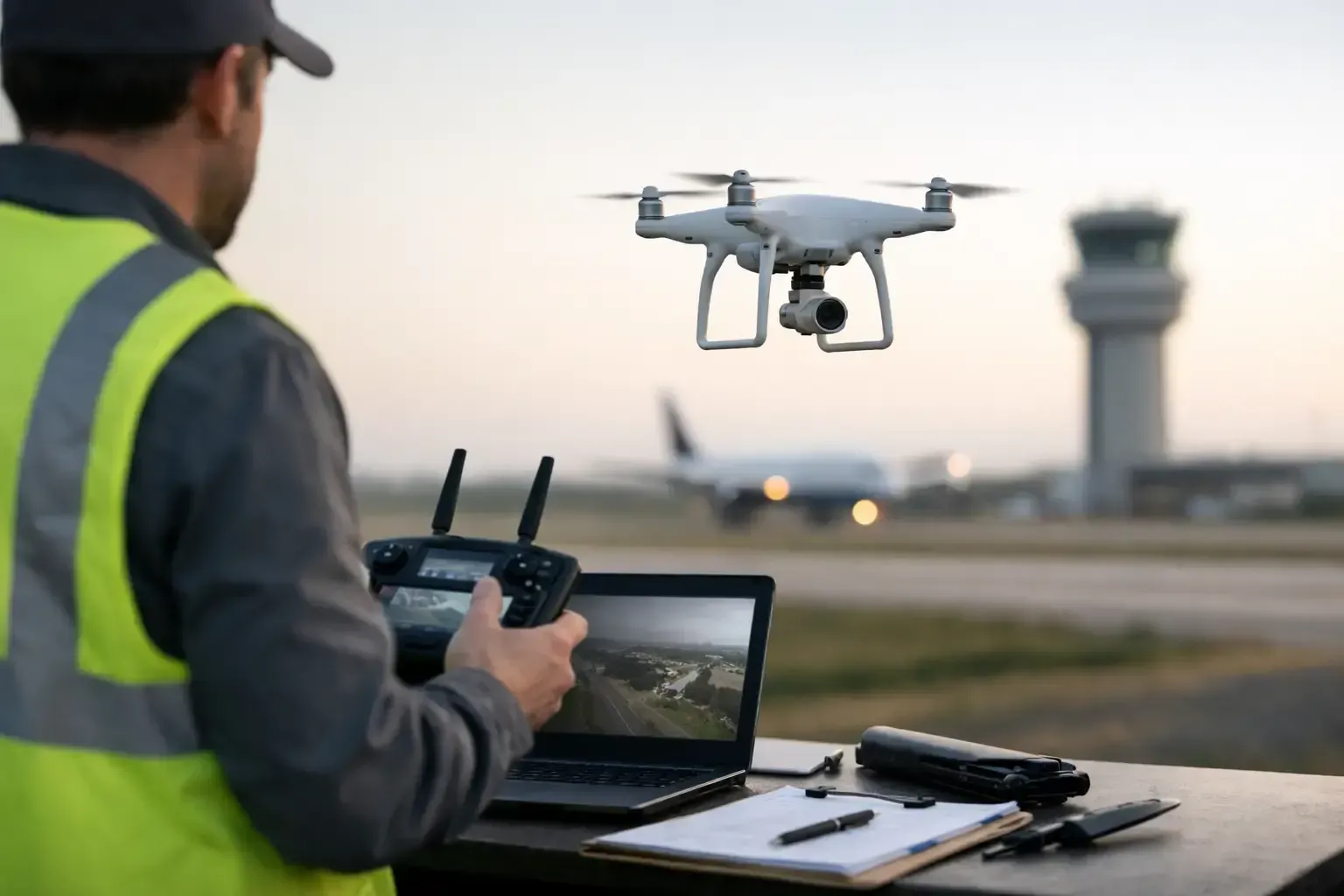
Controlled airspace experience matters too, especially in markets like Phoenix where event venues may sit near airports or under airspace restrictions. Some locations require advance authorization, tighter operational planning, or a realistic conversation about limitations. A dependable provider will handle that upfront instead of showing up and hoping conditions work out.
This is one reason professional drone coverage tends to outperform low-cost operators. The difference is not just polish. It is whether the flight is legal, safe, insurable, and planned around real event conditions.
What to look for when hiring a provider
The first question is simple: have they worked live events before? Event coverage is not the same as flying an empty property or filming a static building. Timing matters more, people movement is constant, and there are fewer second chances.
The second question is whether they can operate professionally in your specific environment. If your event is near busy roads, dense development, a resort corridor, or controlled airspace, you want a provider who has worked those conditions before. Experience in complex environments usually leads to smoother approvals, safer operations, and fewer surprises on event day.
The third question is deliverables. Some clients need a gallery of edited aerial stills for social content, PR, or sponsor recaps. Others need coordinated photo and video coverage, short-form clips, or documentation at multiple points throughout setup and live operation. The best fit depends on the event and the intended use.
Turnaround time should also be discussed early. If the images are meant for post-event promotion next week, that is one workflow. If the client needs next-day content for media, sponsors, or internal reporting, the operator needs to know that before the event starts.
Planning matters more than people expect
Strong event coverage usually starts before the drone ever leaves the ground. A pre-event conversation should cover the schedule, location, crowd timing, key visual priorities, safety boundaries, and any venue-specific restrictions.
For example, the best time to capture a venue may be before guests arrive, when the setup is clean and undisturbed. The best time to capture attendance may be once the crowd is fully active. The best time for dramatic lighting may be close to sunset. These are different moments, and they should be planned intentionally.
There is also the question of what not to shoot. Some private events want broad atmosphere and venue coverage without close crowd detail. Some corporate clients care more about footprint, staging, and branded structures than individual attendees. A professional provider should know how to match the flight plan to the client’s actual goals.
The trade-offs clients should understand
Drone coverage is valuable, but it is not magic. Weather can affect flights, especially wind, rain, or poor visibility. Airspace restrictions can limit where and when operations are allowed. Certain venues may have local rules that need to be addressed in advance.
There is also a creative trade-off. Drone imagery is best when it complements ground photography, not when it replaces it. The aerial perspective captures scale and setting. Ground coverage captures expressions, details, and personal interactions. The strongest event media strategy usually combines both.
Budget is another practical factor. If an event is small, mostly indoors, or has very limited visual payoff from above, drone coverage may not be the best use of resources. On the other hand, for large-format outdoor events, venue-driven weddings, and brand activations where visual impact matters, the return is often obvious in the final media.
Why professional aerial coverage pays off after the event
Good event imagery keeps working long after the day ends. Businesses use it for websites, proposals, recap decks, social campaigns, and future event promotion. Venues use it to market the space. Developers and property groups use it to show activation success. Nonprofits use it to demonstrate turnout and community engagement. Couples keep it because it captures the full setting of the day, not just the close-up moments.
That longer shelf life is why quality matters. Sharp composition, safe operation, clean editing, and reliable planning all affect whether the final images look like a real business asset or just a few interesting aerial snapshots.
For clients who need dependable results, the right standard is simple: insured operations, FAA-certified flight expertise, clear communication, and experience working in real-world environments where timing and compliance matter. That is the level of professionalism event coverage deserves.
Phoenix Drone Pros approaches aerial event work with that same operating standard - safe flights, strong imaging, fast coordination, and practical planning built around the event itself.
If you are considering drone event photography services, the best starting point is not the aircraft. It is the outcome you need. Once that is clear, the right flight plan becomes much easier to build.