Phoenix Drone Pros
Blog
FAA certified drone pilot services provide safe aerial imaging, inspections, and data capture with compliant, insured operations for homes and businesses.
If a drone job affects a sale, a project schedule, a roof claim, or a public-facing marketing campaign, hiring faa certified drone pilot services is not a technicality. It is the difference between getting usable deliverables on time and dealing with avoidable risk, poor footage, or flights that should not have happened in the first place.
A lot of buyers still treat drone work like camera work with propellers attached. In practice, professional drone operations sit at the intersection of aviation rules, site safety, airspace planning, imaging quality, and client deadlines. That matters whether you are a real estate agent trying to market a listing, a contractor documenting weekly progress, or a property owner who needs answers from a thermal roof inspection.
What FAA certified drone pilot services actually mean
At the most basic level, FAA certification means the pilot is authorized to operate commercially under the rules that govern small unmanned aircraft. That sounds simple, but for clients, the practical value is much bigger. You are hiring someone who understands airspace restrictions, preflight planning, weather limitations, operating procedures, and legal requirements tied to paid drone work.
That does not mean every certified operator delivers the same level of service. Certification is the floor, not the ceiling. A pilot can be legal to fly and still lack experience in active construction zones, controlled airspace, thermal imaging, or time-sensitive real estate production. The real question is whether the provider can combine compliance with dependable field execution.
For commercial and property-focused clients, that combination is where the value shows up. You need a pilot who can assess the site, communicate clearly, capture the right assets, and finish the job without disrupting tenants, crews, events, or business operations.
Where FAA certified drone pilot services deliver the most value
The strongest use cases are rarely about getting a cool shot. They are about solving a specific problem faster, safer, or more clearly than a ground-based approach.
Real estate marketing
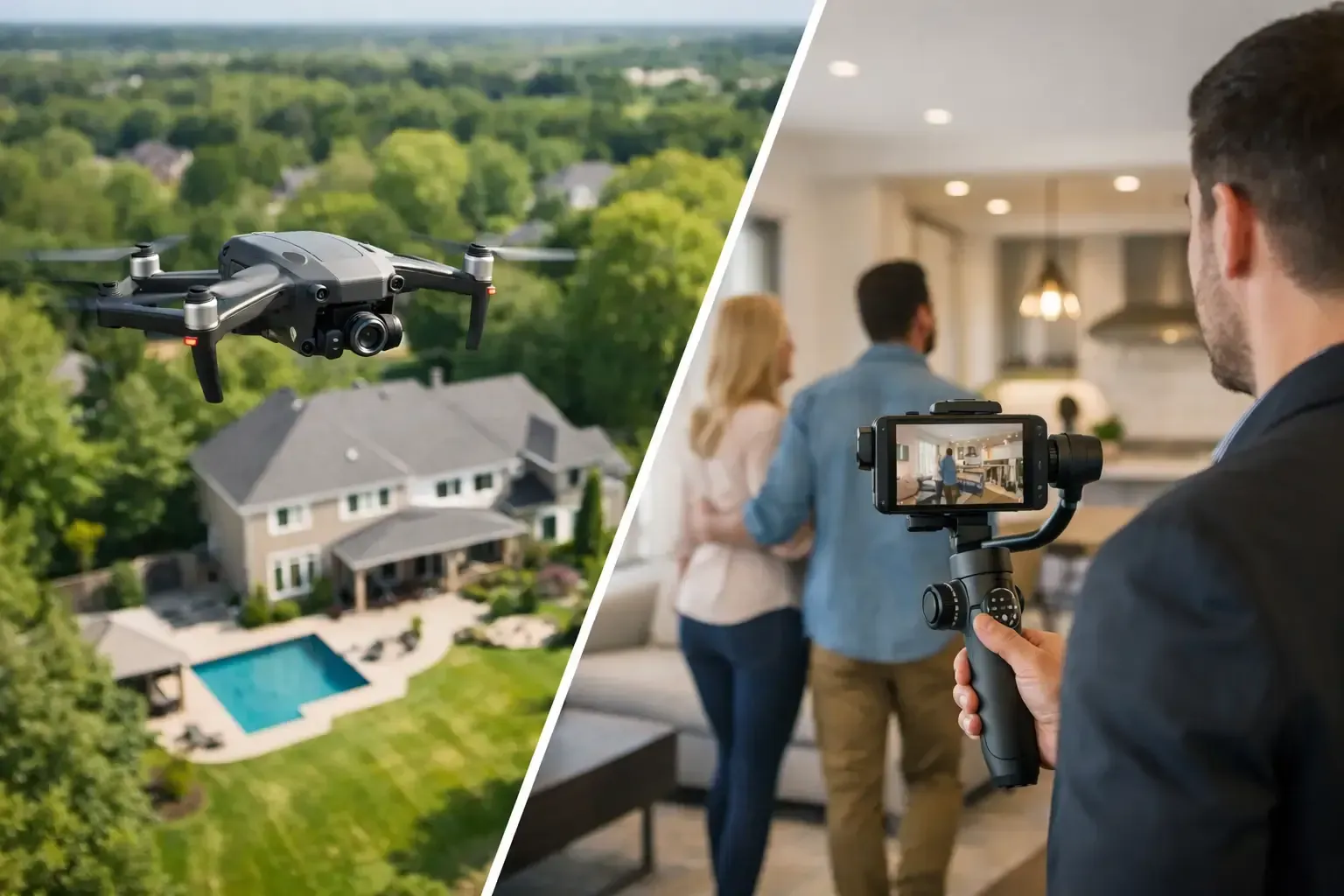
For residential listings, aerial photos and video help buyers understand lot size, access, neighborhood context, and property layout. On larger homes, equestrian properties, custom builds, and homes with outdoor amenities, overhead visuals often carry the listing more effectively than interior images alone.
Commercial real estate raises the stakes. Brokers and investors often need footage that shows parking, ingress and egress, nearby retail, traffic patterns, and surrounding development. A certified operator with commercial experience knows how to frame a property for decision-makers, not just for visual appeal.
Construction documentation
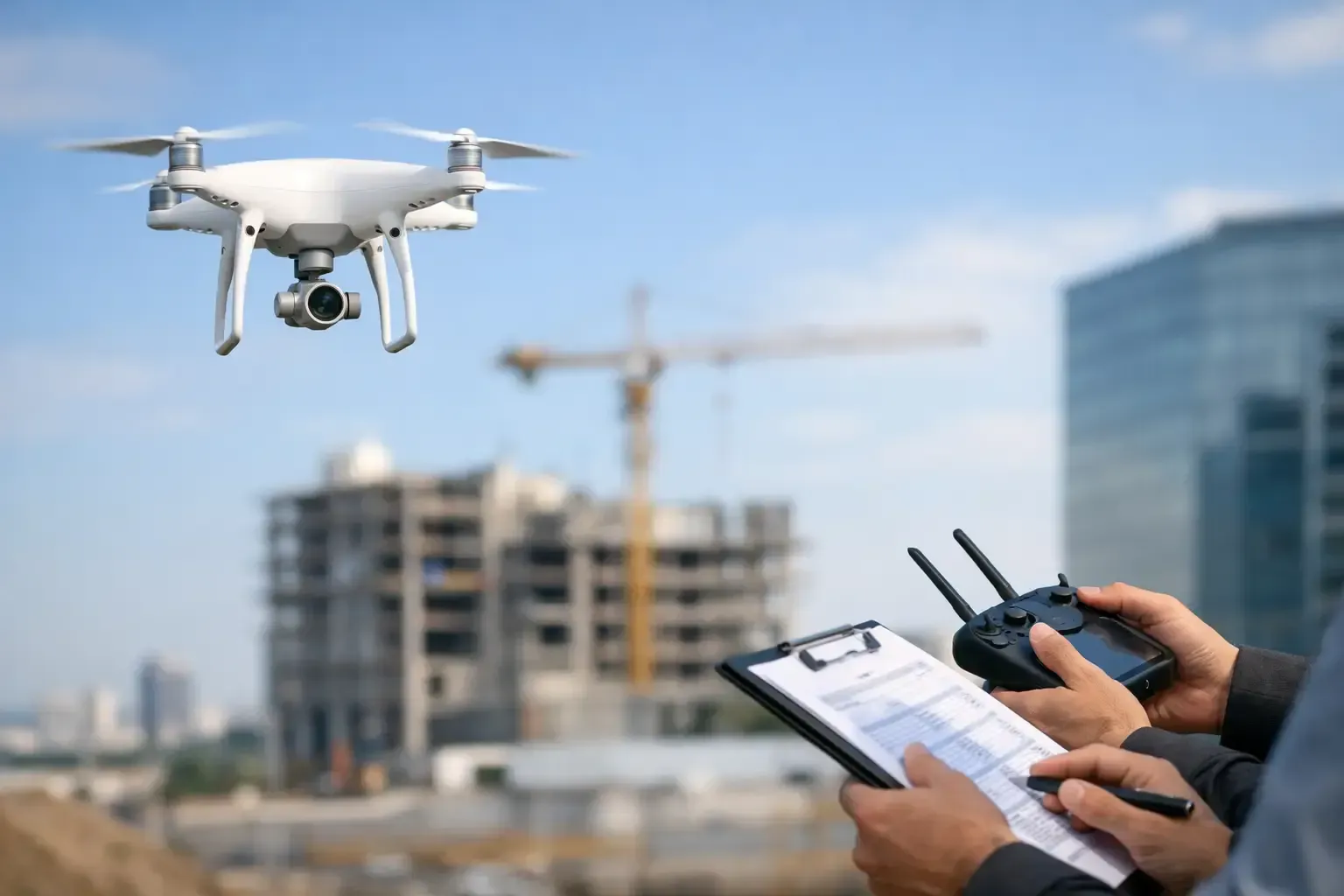
Construction teams use drone services for progress tracking, stakeholder updates, marketing, and site visibility. This is especially useful when owners, developers, lenders, and project partners are not on site every week. Consistent aerial documentation can show what changed, what is on schedule, and where site conditions need attention.
There is also a practical safety advantage. Aerial overviews reduce the need to send people into less accessible areas just to get basic visual confirmation.
Inspections and thermal work
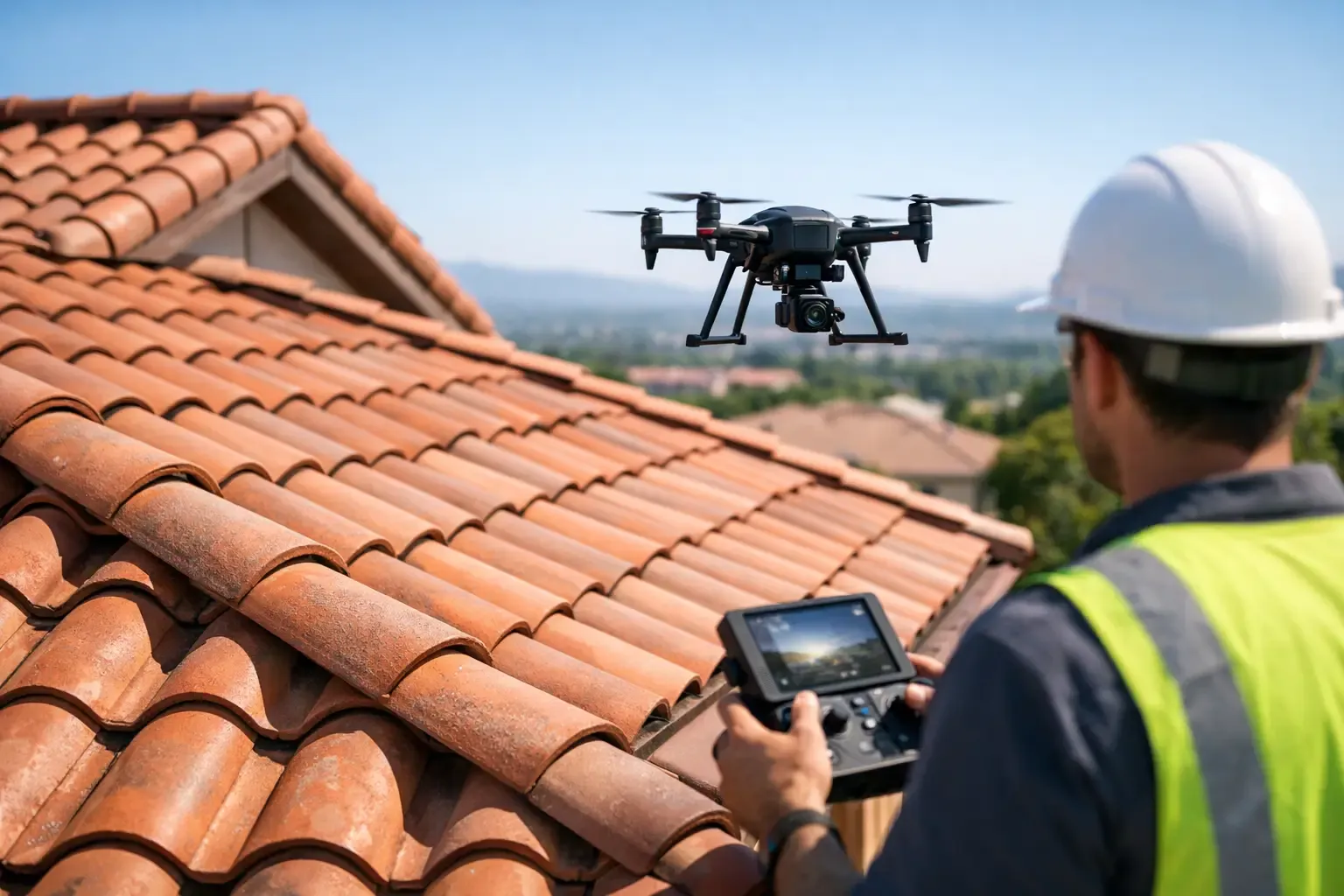
Roofs, building envelopes, solar arrays, and elevated assets are common candidates for drone inspection. A qualified operator can capture high-resolution imagery and, when appropriate, thermal data that helps identify moisture intrusion, heat anomalies, and performance issues.
This is one area where experience matters a lot. Thermal imaging is useful, but only when it is collected under the right conditions and interpreted in context. Not every job needs thermal, and not every anomaly means the same thing. Good providers explain what drone imaging can reveal and where additional inspection methods may still be necessary.
Events, specialty projects, and public-facing media
Drone footage can add scale and energy to events, hospitality marketing, tourism content, and brand campaigns. But these jobs often involve crowds, timing constraints, and location restrictions. That is where professional flight planning becomes more than a back-office task. It directly affects whether the footage can be captured safely and legally.
Why compliance is a business issue, not just a legal one
Many clients first ask about image quality, pricing, or turnaround time. Those matter. But compliance is what protects the project from preventable setbacks.
If a drone operator cannot legally fly the site, the job may stall on the scheduled day. If the pilot does not understand airspace authorization, nearby airports, or operational limits, the footage may never be captured. If the provider is not insured, one incident can create a much bigger problem than a missed shot list.
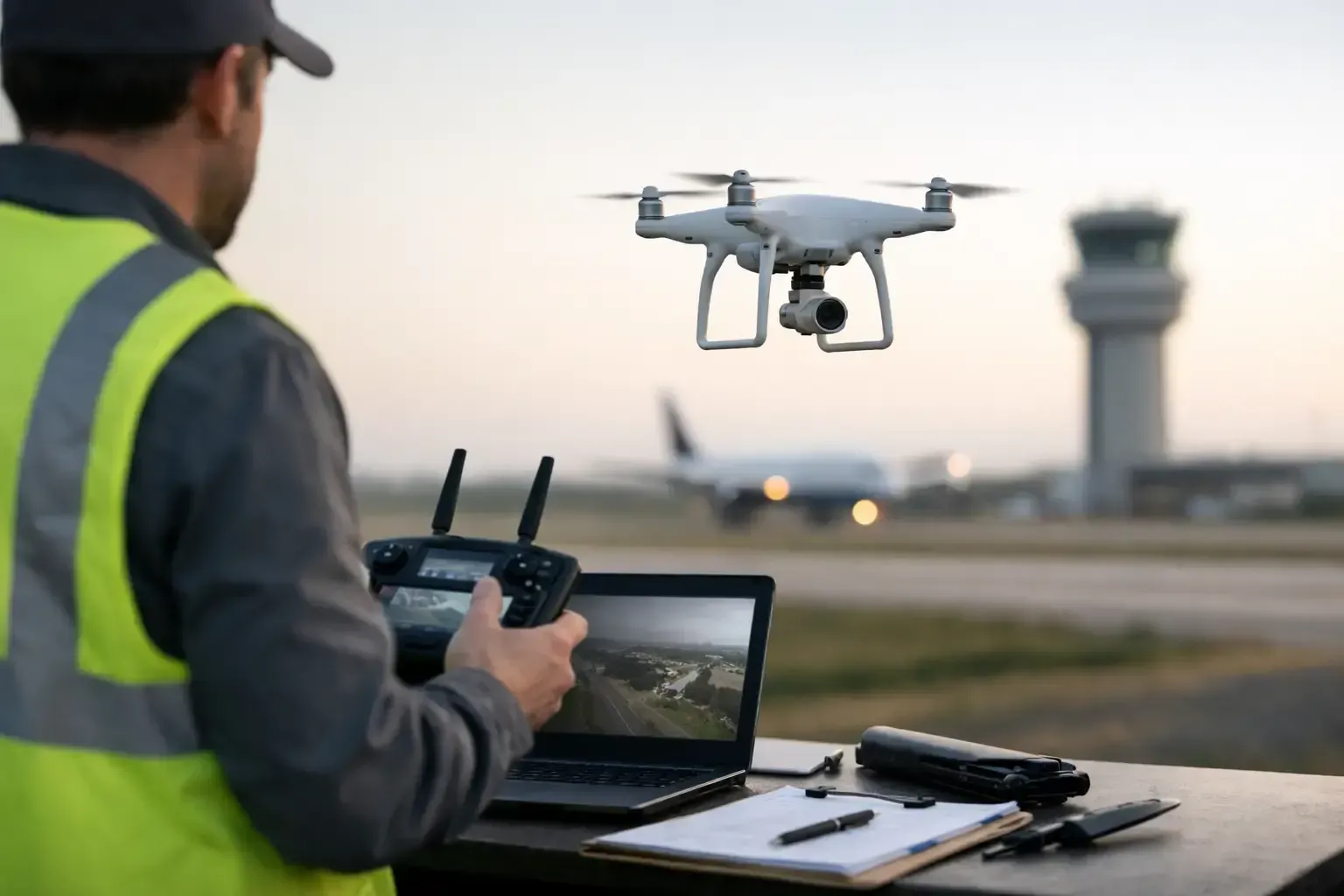
This is especially relevant in metro markets and growth corridors where controlled airspace, dense development, active jobsites, and tight client schedules are common. A professional operator plans around those realities instead of discovering them after arrival.
That is also why experienced buyers ask about insurance, airspace familiarity, and commercial flight history alongside price. The cheapest quote can become expensive quickly if the operator is delayed, underprepared, or unable to complete the mission.
How to evaluate FAA certified drone pilot services
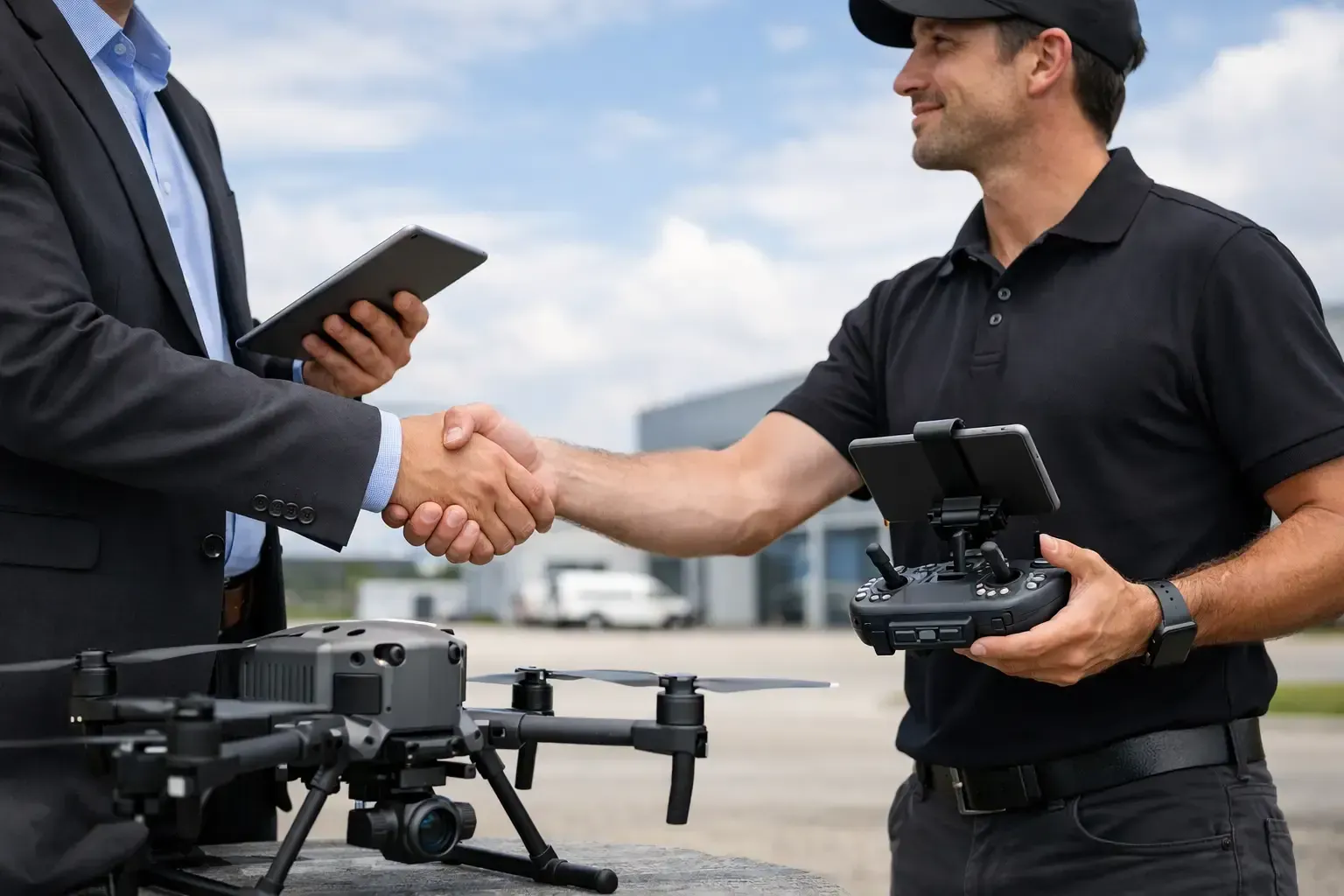
The best way to vet a provider is to look past the certificate itself and ask how they work. A serious operator should be able to explain the scope, flight approach, deliverables, timing, and site requirements in plain language.
Ask what type of work they do most often. A pilot who mainly shoots simple residential flyovers may not be the right fit for thermal diagnostics or recurring construction documentation. Ask whether they carry insurance and whether they have experience in controlled or complex airspace. Ask what the final deliverables include, how quickly they are turned around, and whether the operator understands your industry goals.
That last point gets overlooked. A real estate agent needs media that helps move a listing. A construction manager needs consistency and documentation. A property owner seeking an inspection needs clarity, not cinematic editing. FAA certified drone pilot services should match the job, not force every project into the same package.
What a professional process should look like
A dependable drone service usually starts with a quick scoping conversation. The provider should ask what you need captured, why you need it, when it is needed, and whether there are access or operational constraints. From there, they can assess the site, review airspace, confirm weather considerations, and set realistic expectations.
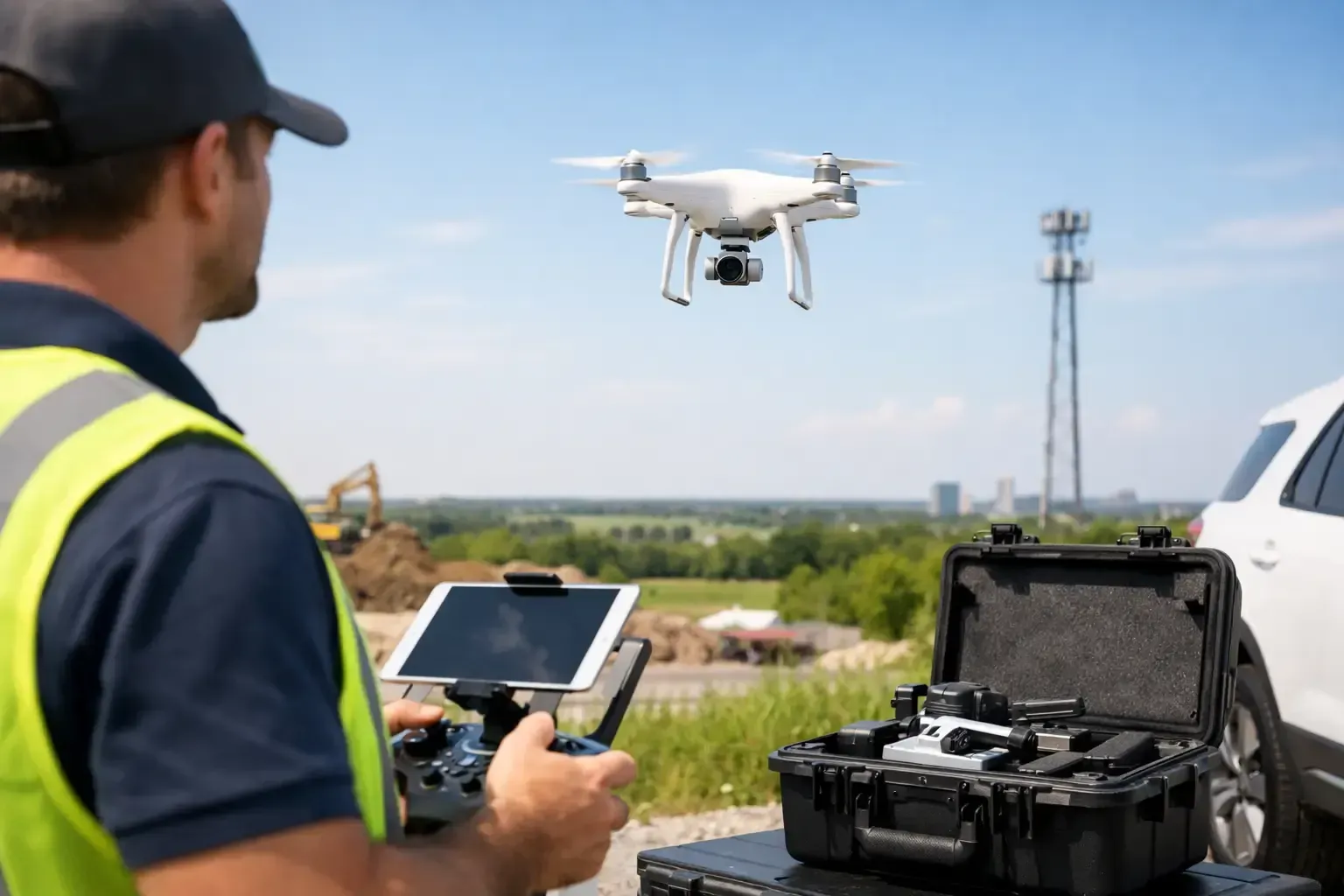
On the day of service, professionalism is visible. The pilot arrives prepared, communicates clearly, works safely around people and property, and captures with purpose. After the flight, post-production and delivery should be organized and timely. That applies whether the output is edited marketing video, still photography, orthomosaic mapping support, or inspection imagery.
Clients often feel the difference in responsiveness as much as in the final visuals. When a provider answers quickly, schedules efficiently, and explains the process without jargon, the whole project moves faster.
FAA certified drone pilot services are not one-size-fits-all
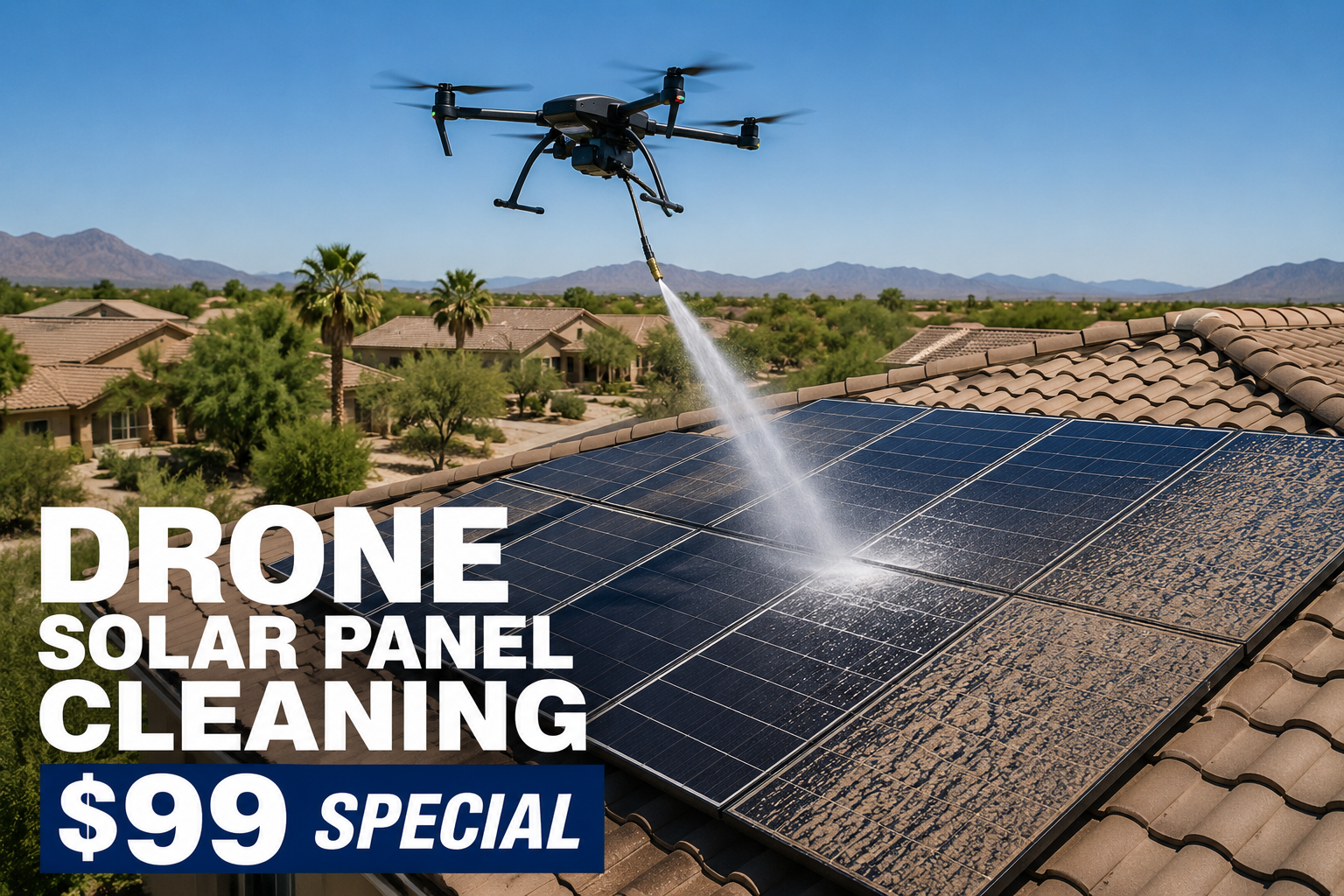
The right service depends on the asset, the environment, and the outcome you need. A luxury listing, an industrial roof, a solar cleaning project, and a search support mission all require different planning and field judgment.
There are trade-offs. High-end cinematic editing may not matter for a routine construction update. Thermal capability may be essential on one inspection and unnecessary on another. Faster scheduling can be critical for a listing launch, while long-term consistency may matter more for a multi-month development project.
That is why experienced operators build around use case, not just flight time. A strong provider understands that the drone is only the tool. The result that matters is better marketing, clearer documentation, safer access, or faster decision-making.
For clients in active real estate, construction, and property management markets, that practical mindset is what separates a field-ready commercial operator from a hobbyist with good gear. Companies such as Phoenix Drone Pros are built around that difference - certified operations, insured flights, specialized imaging, and the ability to work in the real conditions that commercial clients deal with every day.
When you hire drone services, you are not buying airtime. You are hiring judgment, compliance, and deliverables that need to hold up in the real world. The best choice is usually the provider who can make the job easier before the propellers ever start.