Phoenix Drone Pros
Blog
Robert Biggs • June 1, 2026
Understand drone pilot insurance requirements for commercial and property-focused flights, including liability limits, client requests, and risk factors.

The body content of your post goes here. To edit this text, click on it and delete this default text and start typing your own or paste your own from a different source.

Choose the best drone deliverables for developers, from site scans to marketing media, with practical guidance on timing, accuracy, safety, and results.
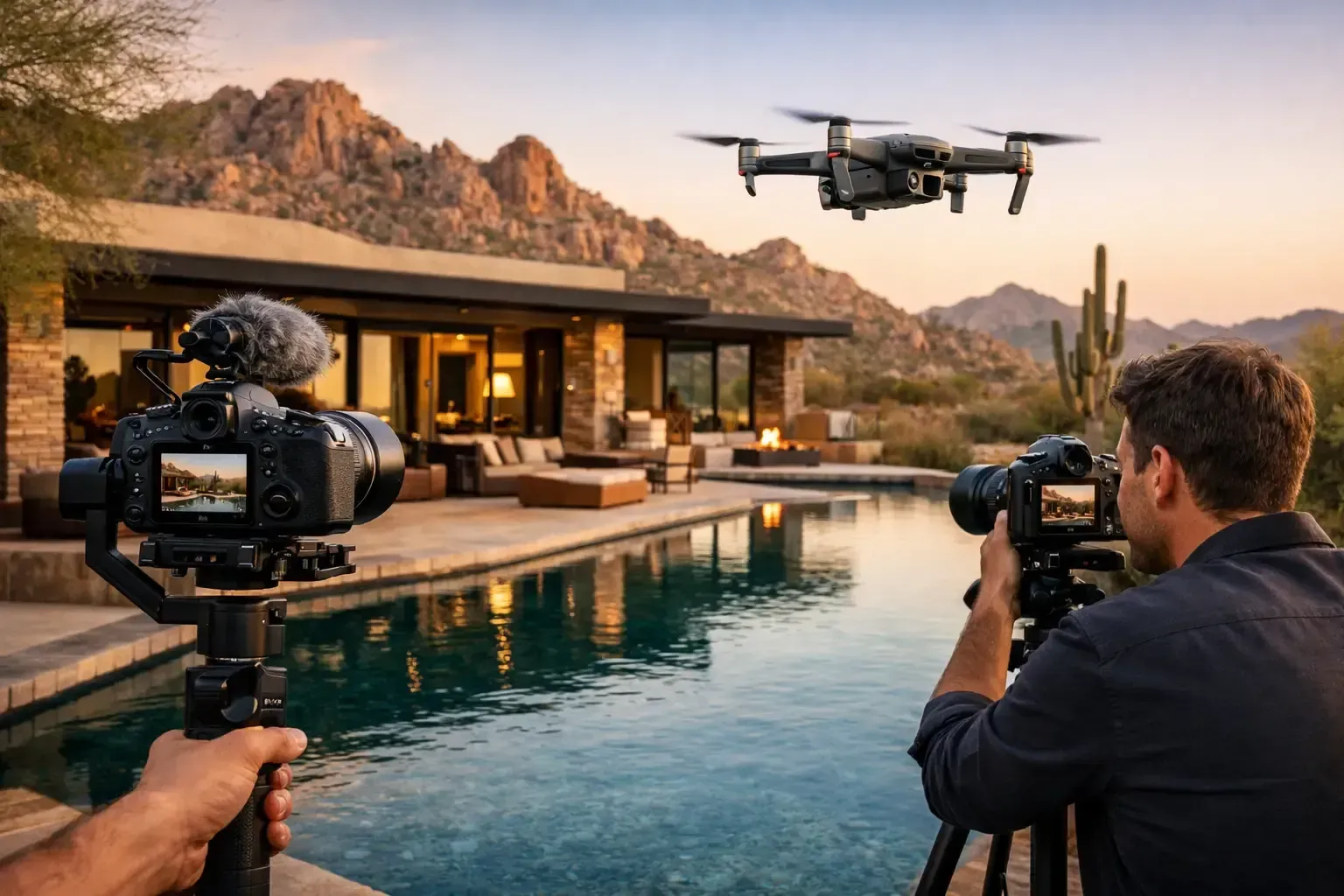
Learn how to film Scottsdale estates with a disciplined aerial and ground plan that highlights scale, privacy, amenities, and location while flying safely.

See what a commercial roof assessment drone example reveals, from visible membrane damage to thermal moisture clues, and how teams turn data into action.

Learn how to hire drone pilots for real estate, construction, inspections, and events with the FAA, insurance, safety, and deliverables verified upfront.
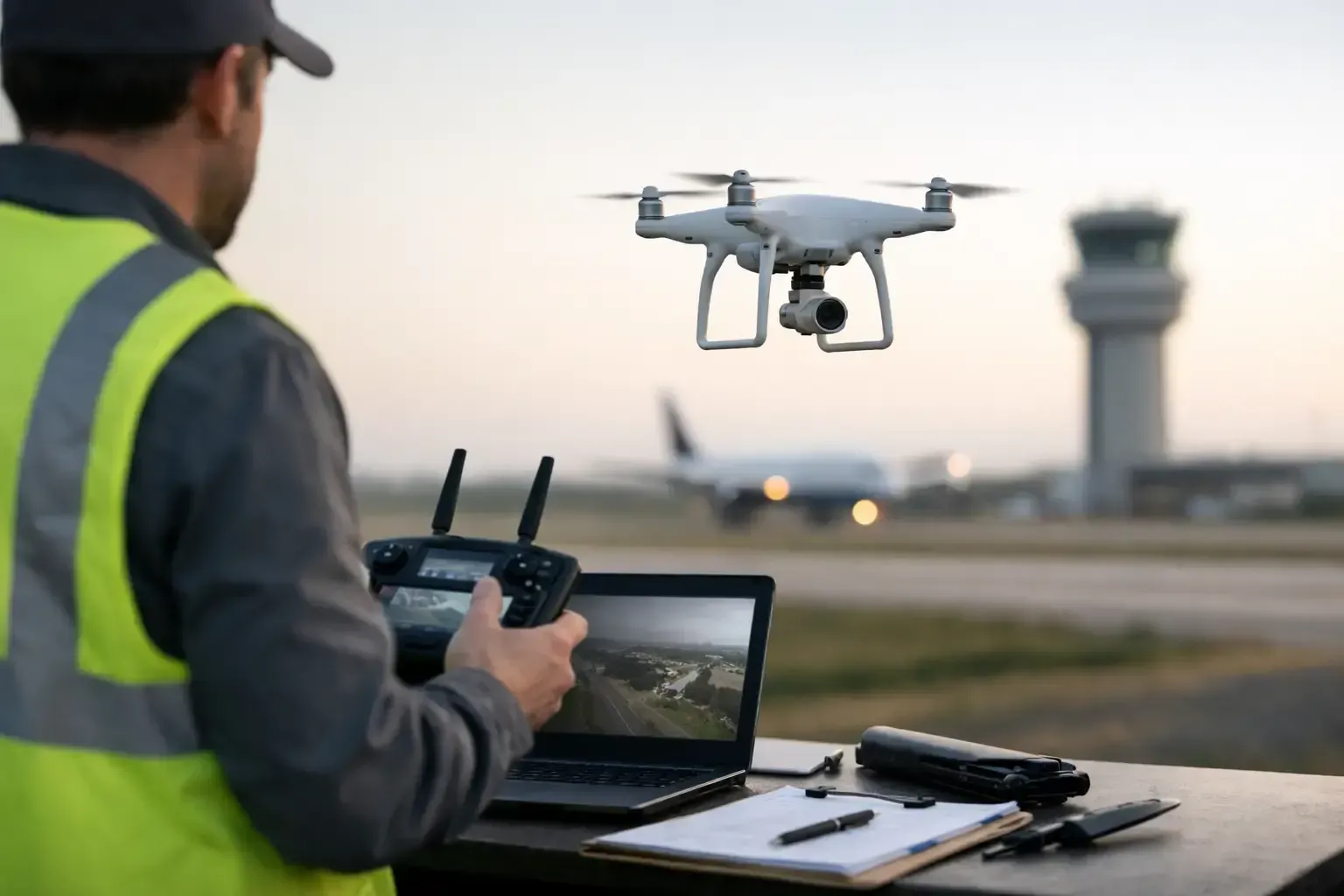
Use this FAA drone waiver guide to plan compliant commercial flights, identify when a waiver is needed, and prepare a safer, stronger application plan.
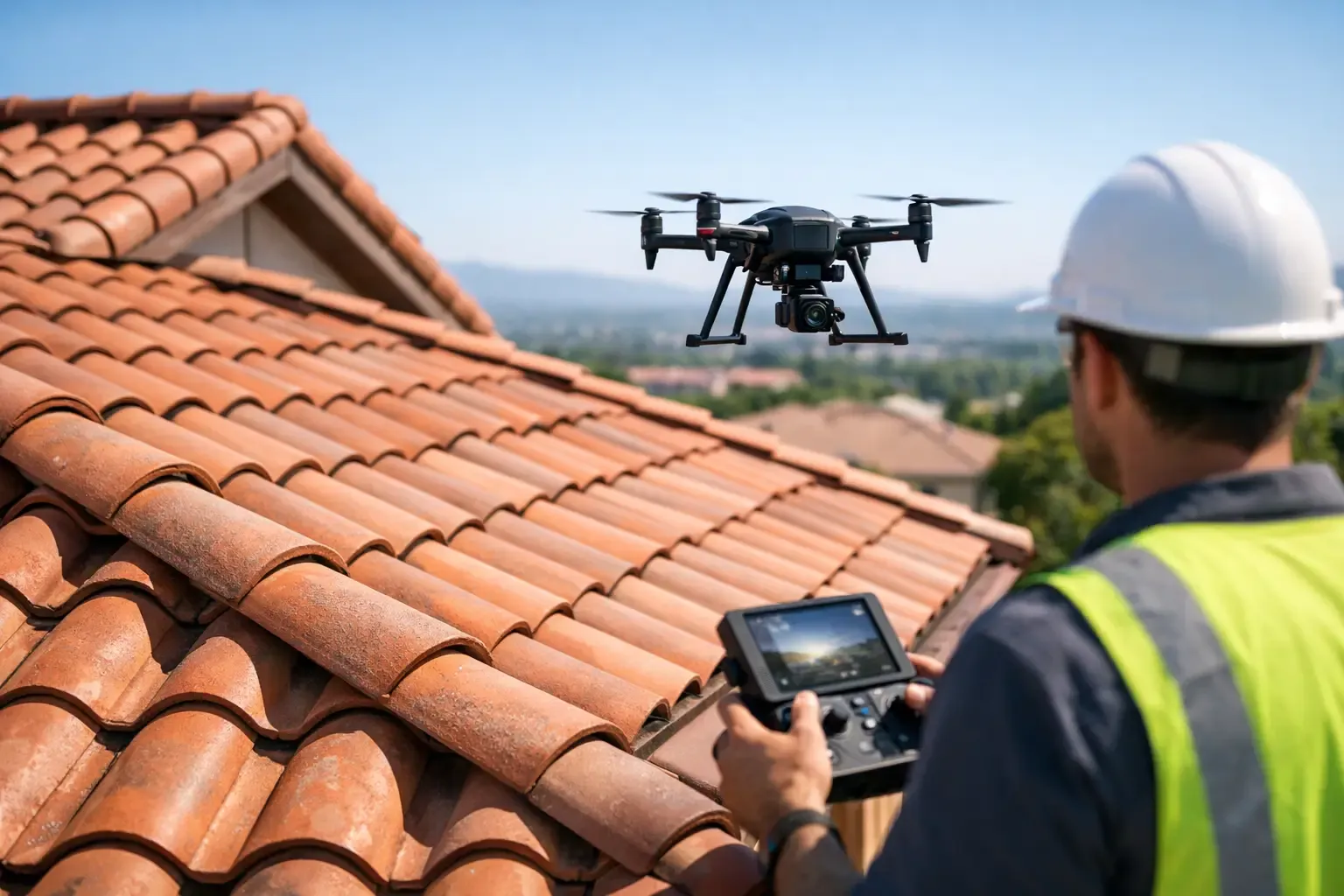
Can drones inspect tile roofs without risking damage? Learn what aerial imaging finds, where hands-on checks remain necessary, and how to plan safely.
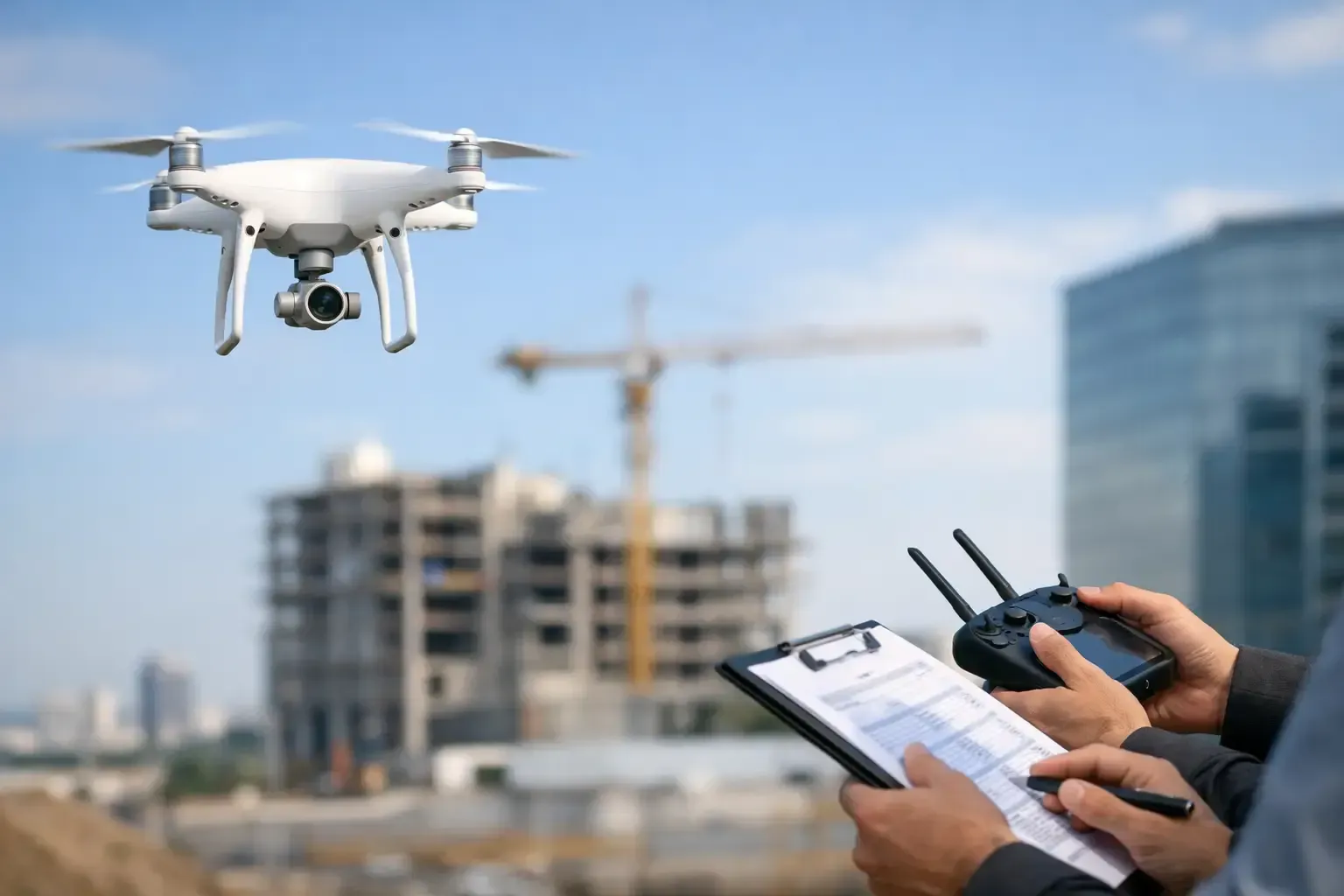
When are drone permits needed for a Phoenix project? Learn how airspace, property rules, waivers, and site conditions shape a compliant flight plan now.

Learn how often construction progress should be photographed, with practical schedules for every project phase, stakeholder need, and jobsite risk level.

Our real estate listing media guide explains which photos, drone views, video, and floor plans help buyers understand a property online before they visit.

Learn how to document building progress with drone imagery, site logs, and reporting that helps teams catch issues and keep every stakeholder informed.