Phoenix Drone Pros
Blog
What does a drone inspection show? See how aerial imaging reveals roof damage, drainage issues, heat loss, site risks, and hard-to-reach defects.
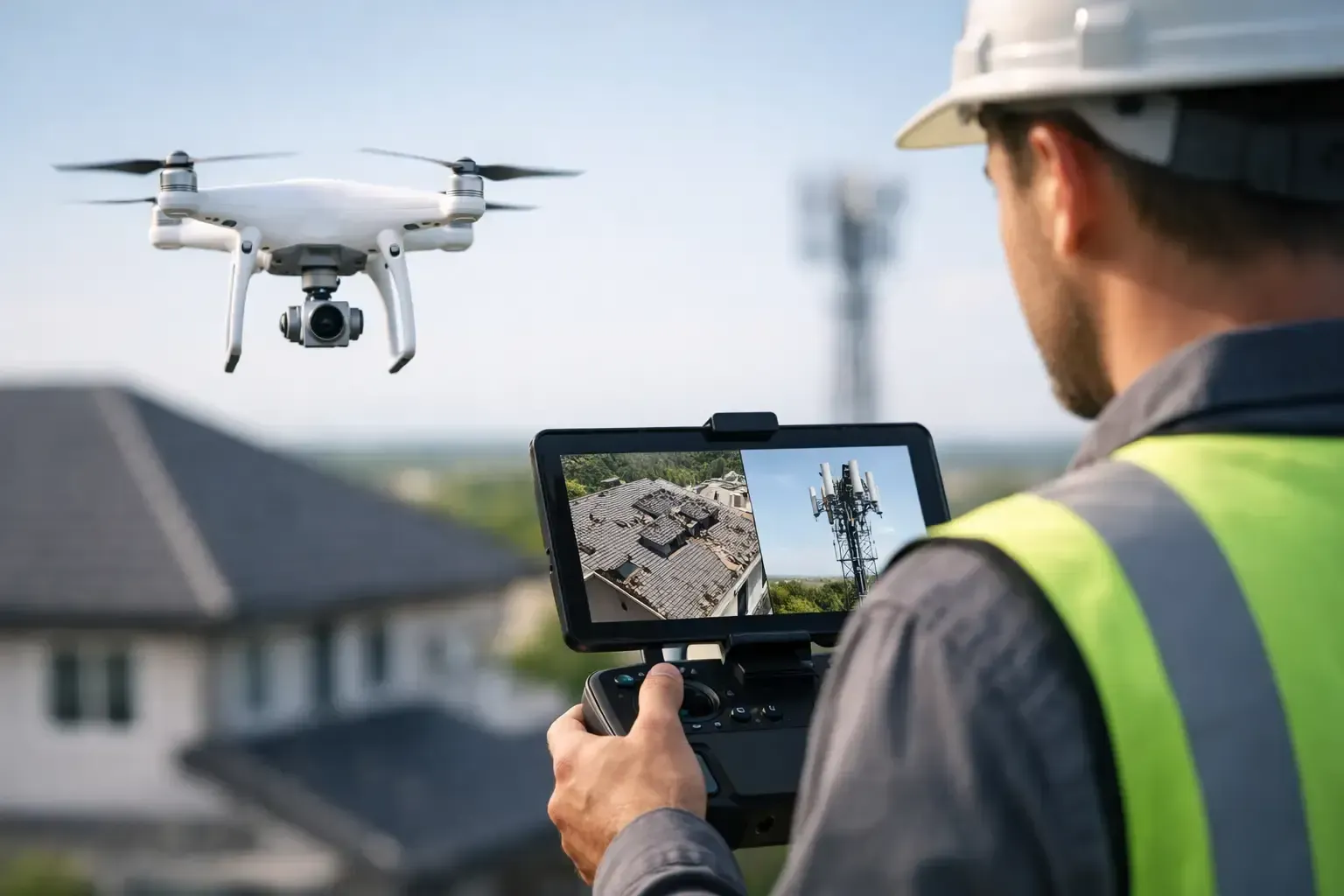
If you are asking what does a drone inspection show, you are usually already dealing with a practical problem. A roof may be leaking, a construction site may need documentation, a property manager may want to check storm damage, or a business owner may need a safer way to review equipment without ladders, lifts, or shutdowns. The real value of a drone inspection is not just that it gets a camera in the air. It gives you a clear visual record of conditions that are difficult, risky, or expensive to inspect from the ground.
A professional drone inspection can show visible defects, changes over time, moisture-related concerns, thermal anomalies, drainage patterns, site access issues, and signs of wear that are easy to miss during a limited ground-level review. What it shows depends on the asset, the sensor package, the flight plan, and the reason for the inspection. That is where experience matters.
What does a drone inspection show on a roof?
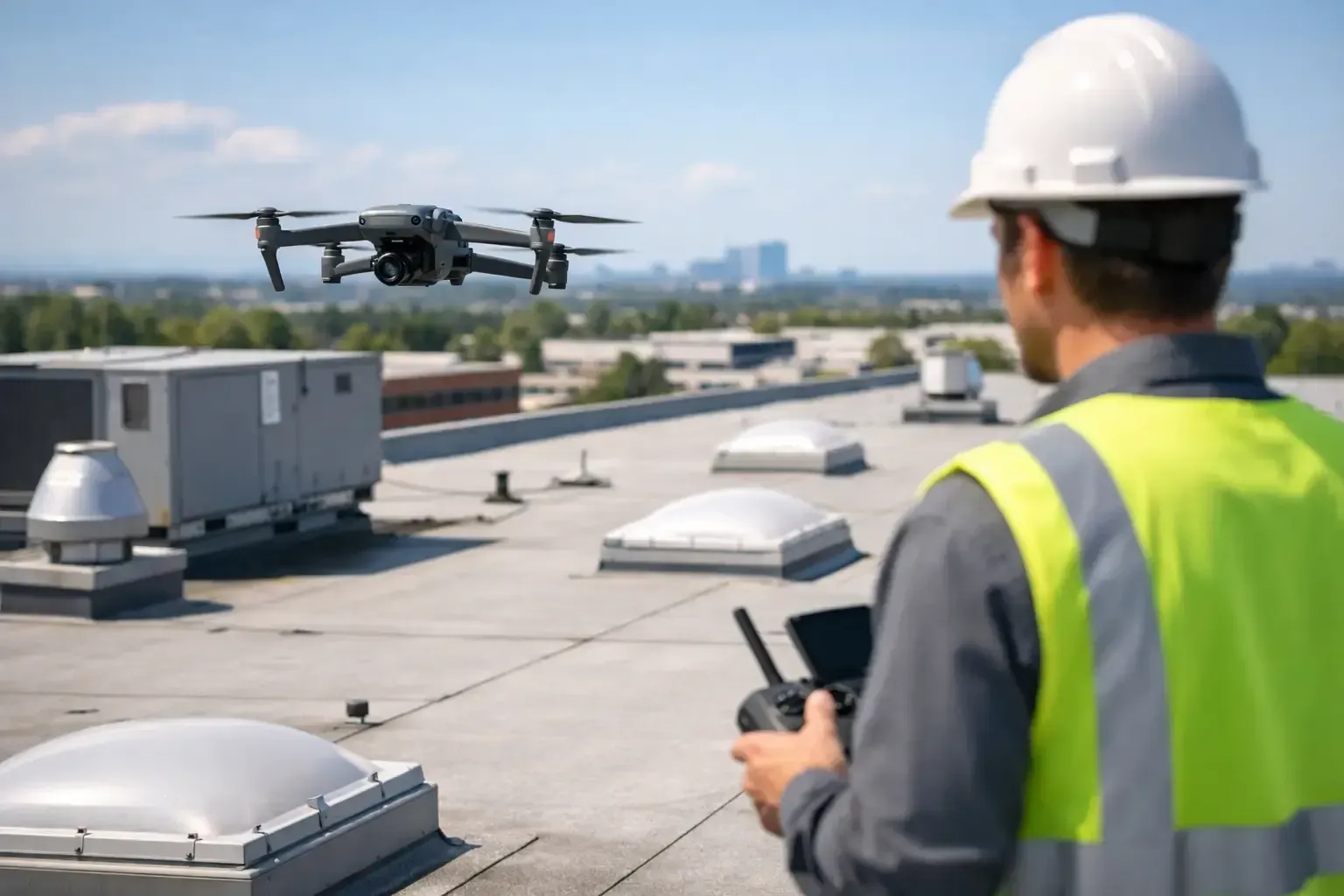
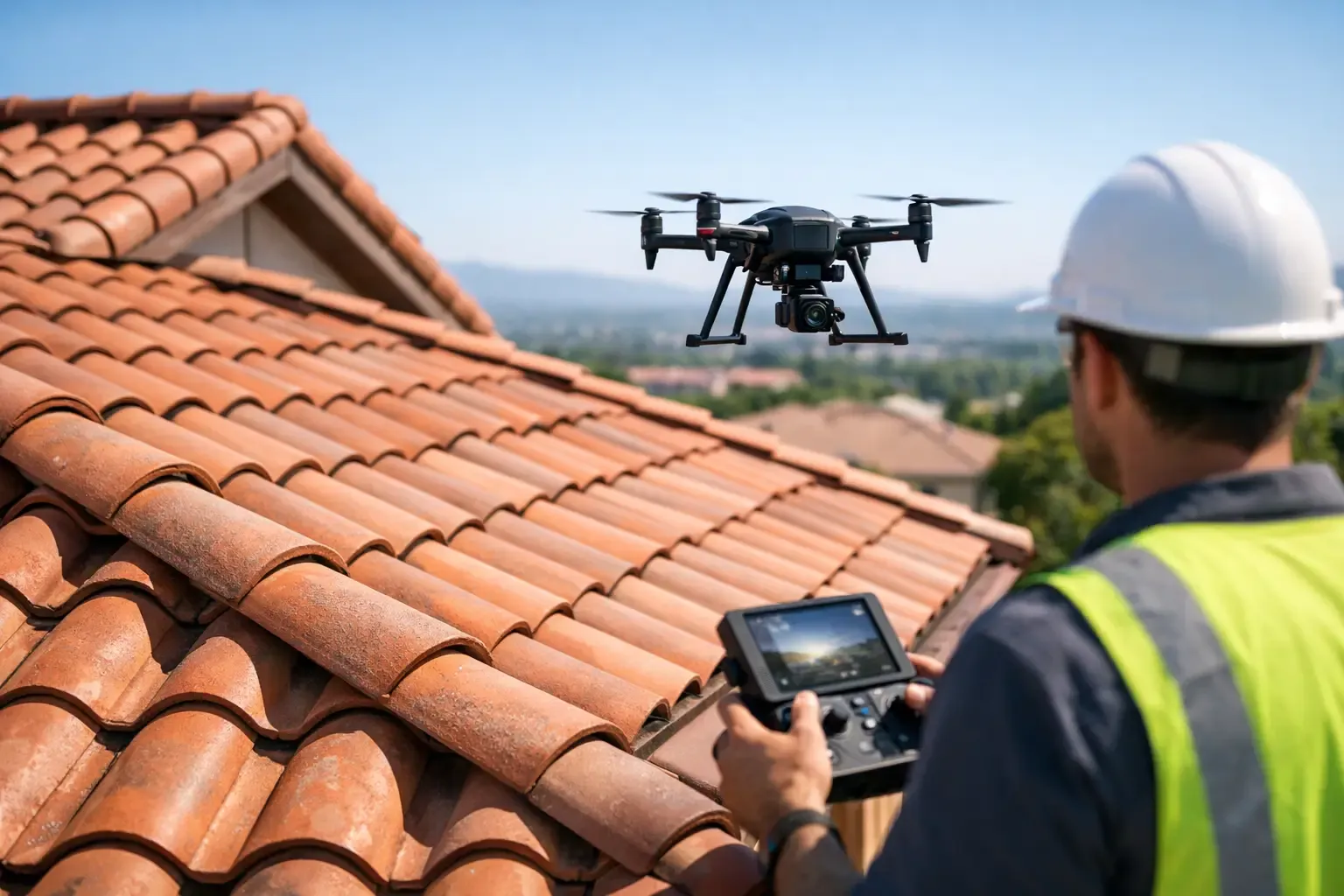
Roof inspections are one of the most common reasons property owners call for drone services. From the air, high-resolution imaging can reveal missing shingles, cracked tiles, punctures in membrane roofing, damaged flashing, ponding water, debris buildup, deteriorated sealant, and blocked drains. On commercial roofs, it can also show traffic paths, surface wear around penetrations, and areas where coatings are breaking down.
That said, standard visual imaging only shows what can be seen on the surface. If the problem is trapped moisture under a roof system, a thermal inspection may be needed to identify temperature differences that suggest water intrusion or insulation issues. Thermal results are useful, but they also require the right timing and weather conditions. A roof scanned in poor thermal conditions may not tell the full story.
This is why drone inspection results should be matched to the question you are trying to answer. If you want to know whether a roof has obvious storm damage, visible imagery may be enough. If you are trying to evaluate hidden moisture, energy loss, or subsurface concerns, thermal imaging is often the better tool.
What a drone inspection shows on commercial properties
For commercial buildings, a drone inspection often goes beyond the roof. It can show parapet conditions, upper facade cracking, failing caulk joints, HVAC unit placement, exhaust locations, signage wear, drainage flow, solar panel condition, and parking lot relationships to the structure. For shopping centers, industrial sites, office buildings, and multifamily properties, that broader view matters because problems are rarely isolated to one component.
Aerial inspection is especially useful when the property is active and access is limited. Instead of setting up lifts around tenants, customers, or operations, a certified drone operator can collect detailed imagery with less disruption. That does not mean drones replace every hands-on inspection. Some conditions still require a licensed roofer, engineer, or contractor on the surface. But drones can narrow the problem area quickly and provide documentation before repair work begins.
For brokers and investors, the inspection can also show context. Site layout, neighboring uses, ingress and egress, loading access, perimeter condition, and visible maintenance issues all affect how a property is understood. In that sense, a drone inspection can support both maintenance decisions and transaction due diligence.
What does a drone inspection show on construction sites?
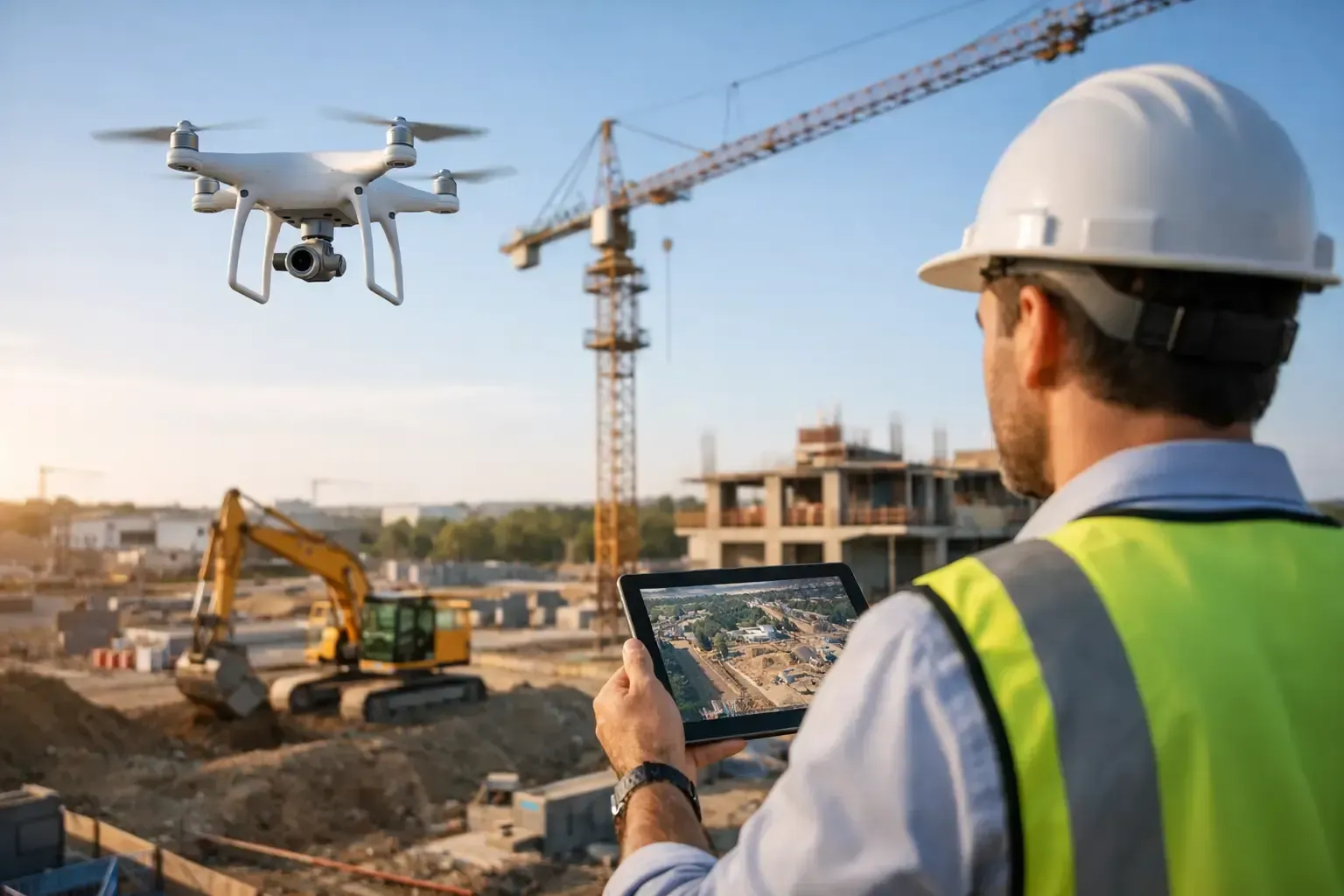
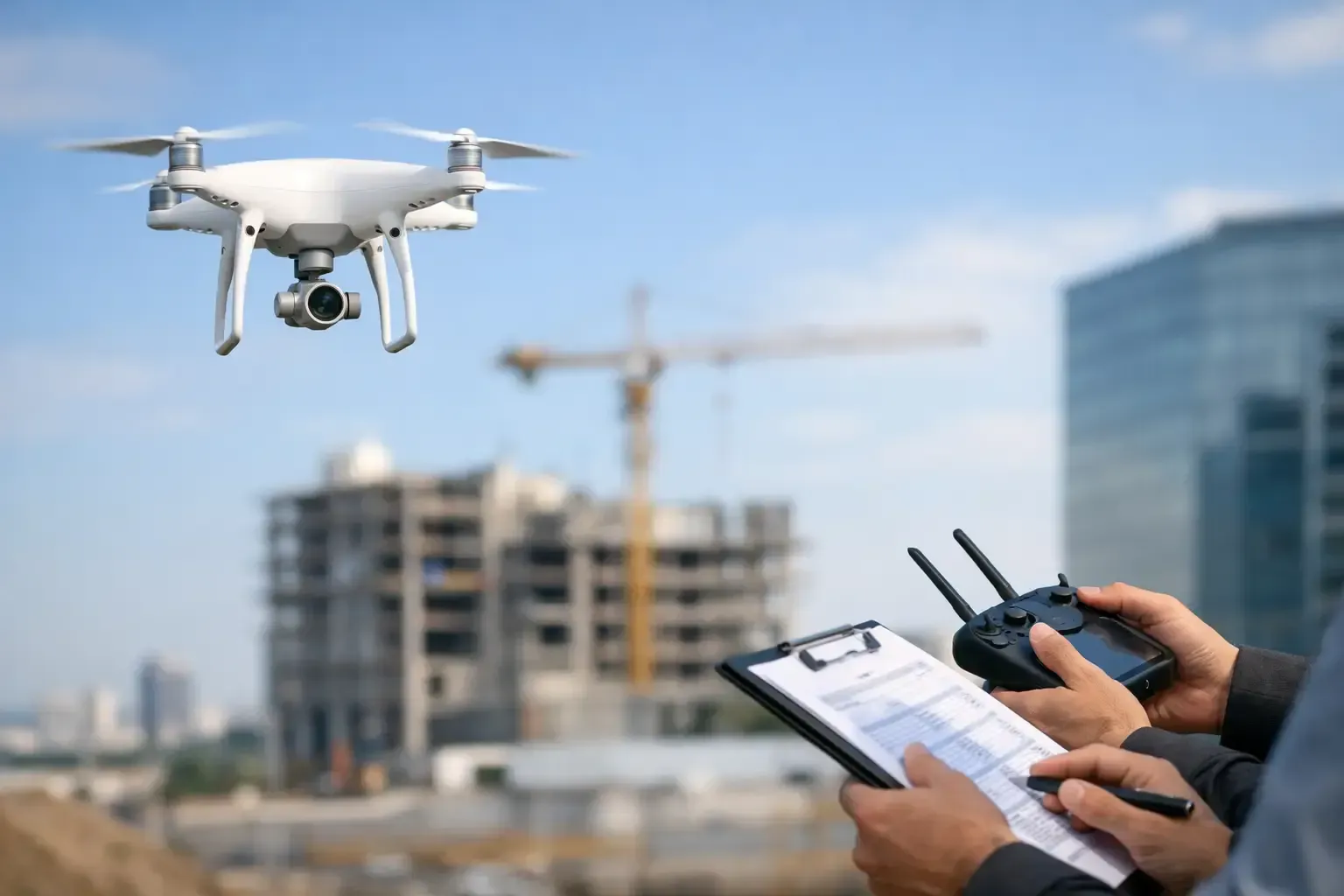
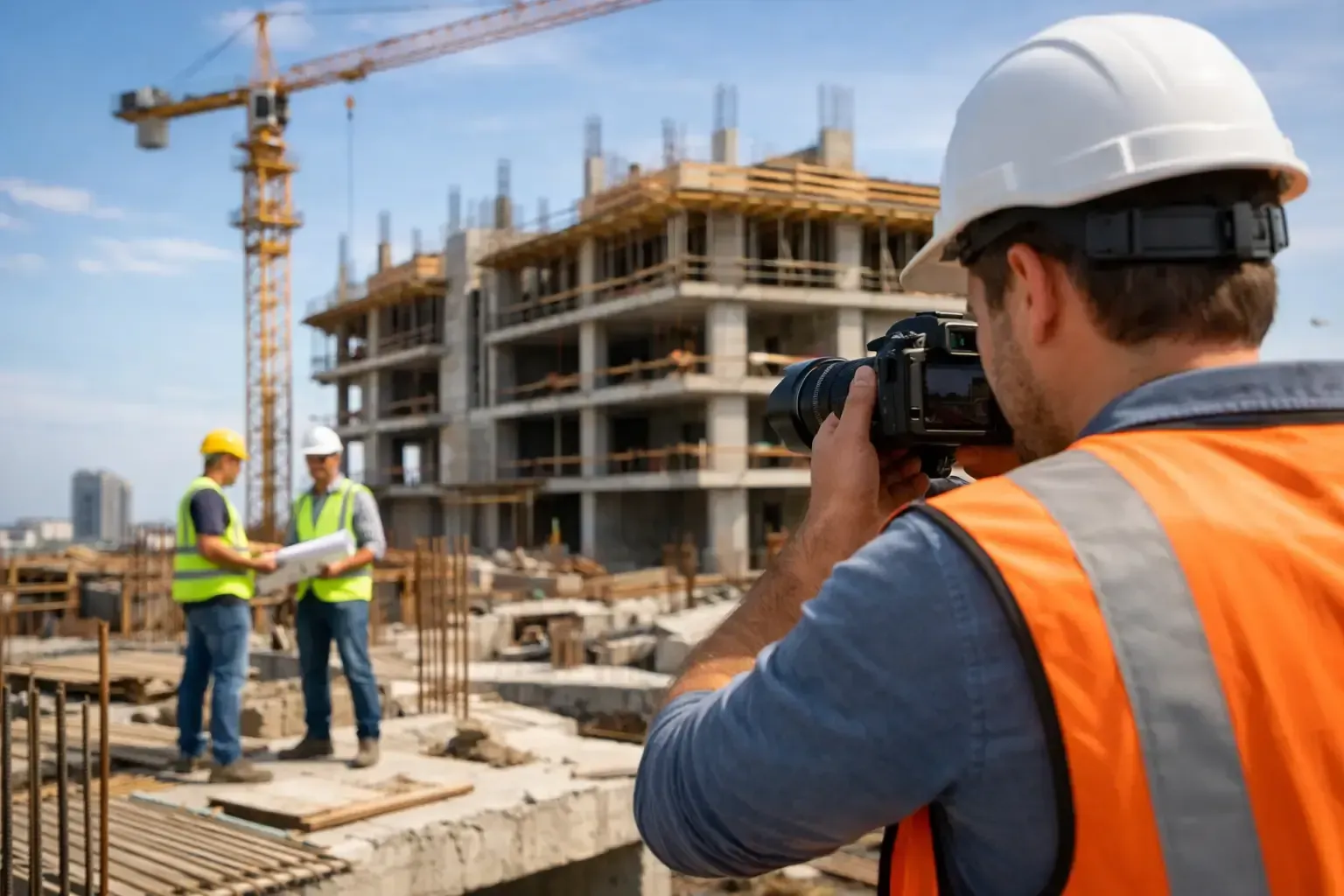
On active construction sites, drones show progress in a way that ground photography usually cannot. They capture structural framing, roofing stages, material staging, equipment placement, grading progress, utility trenching, drainage work, paving status, perimeter fencing, and overall site organization. When flights are repeated over time, teams can compare progress across weeks or months and document milestones with consistency.
This is valuable for developers, general contractors, lenders, and owners because visual records reduce guesswork. You can verify whether work is advancing as scheduled, whether access routes are clear, and whether certain areas are falling behind. It is also useful for stakeholder reporting. Aerial photos and video often make construction updates easier to understand for people who are not on site every day.
A drone inspection can also show risk indicators. Uneven grading, standing water, stockpile encroachment, unsecured materials, traffic conflicts, or coordination issues between trades may be visible from above before they become bigger operational problems. Drones are not safety inspectors by themselves, but they provide a better vantage point for spotting issues that deserve attention.
Visual data versus thermal data
One of the biggest misunderstandings around inspections is assuming every drone captures the same information. It does not. A standard RGB camera records detailed visual images. That is ideal for cracked materials, missing components, impact damage, staining, blocked drains, and visible deterioration.
A thermal camera measures heat differences across a surface. That can help identify wet insulation in roofing systems, heat loss around building envelopes, electrical hotspots, and solar panel irregularities. Thermal is powerful, but it is not magic. Reflections, weather, surface type, time of day, and operator technique all affect results. Interpreting thermal imagery correctly takes training and field experience.
For many projects, the best answer is a combination of both. Visual imagery shows what the defect looks like. Thermal imagery helps explain whether there may be a hidden condition behind it. Together, they create a more complete inspection record.
What a drone inspection does not show
It is just as important to be clear about limitations. A drone inspection does not automatically confirm the cause of every issue. It may show staining, but not whether the source is an old leak or an active one. It may show membrane distortion, but not the full depth of damage below. It may show thermal variation, but not always whether that variation is caused by moisture, material differences, or environmental factors.
In other words, drone inspections are excellent for detection, documentation, and prioritization. They are not a substitute for every physical test or specialist evaluation. The best operators explain that upfront because accuracy matters more than overselling the tool.
Why the quality of the inspection matters
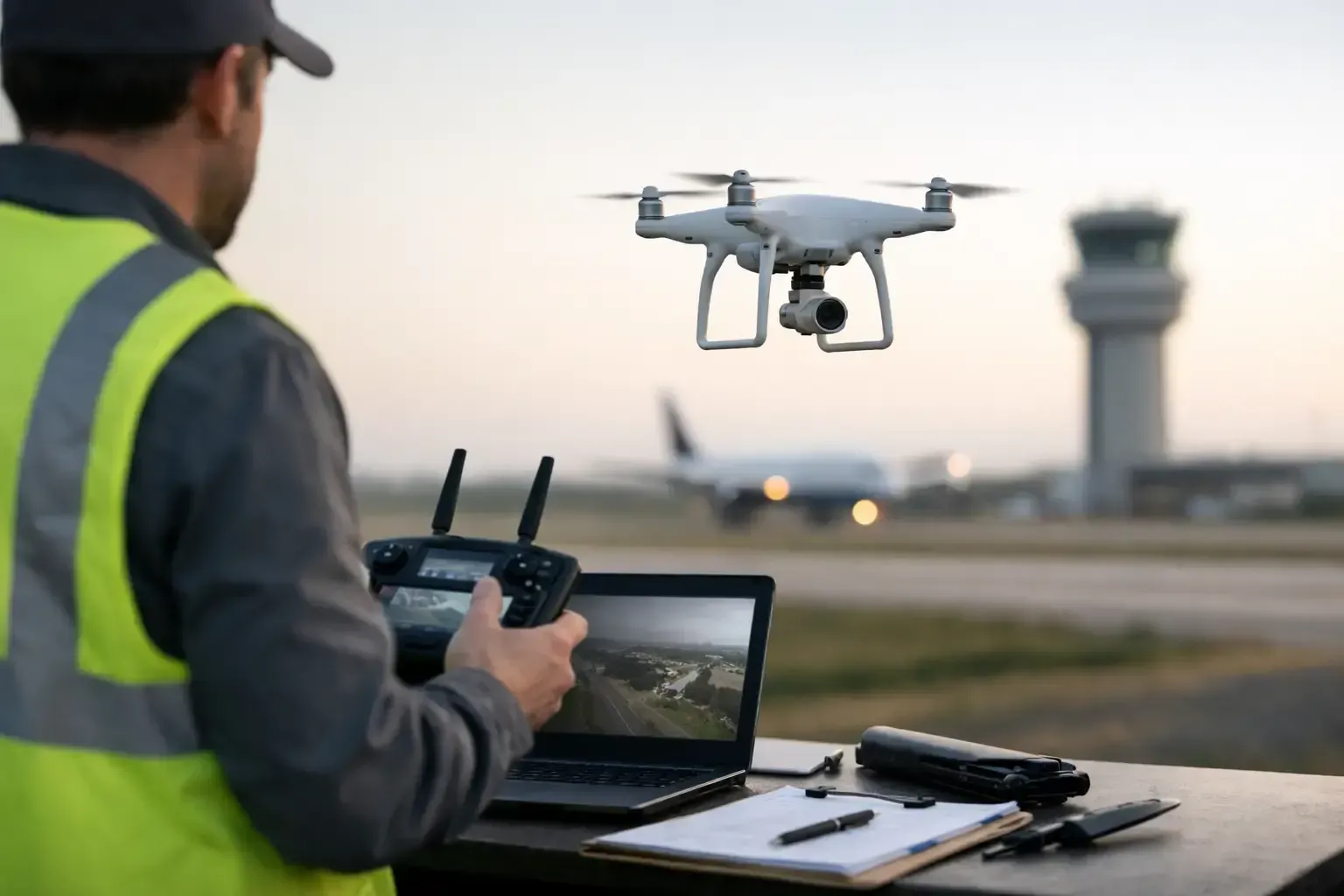
The answer to what does a drone inspection show is only as good as the operator collecting the data. Flight planning, camera angle, altitude, overlap, lighting, sensor choice, and site awareness all affect what is captured. So does regulatory compliance. In busy metro areas, controlled airspace, surrounding structures, and active jobsite conditions require an operator who understands more than how to fly.
That is why professional clients usually look for FAA-certified, insured providers with commercial experience. A qualified operator knows how to work around active sites, coordinate with stakeholders, and capture usable data rather than random aerial footage. For a roof consultant, property manager, or contractor, that difference shows up immediately in the final deliverables.
Phoenix Drone Pros, for example, approaches inspections as an operational service, not just a flight. That means matching the aircraft and sensor to the assignment, flying safely in real-world site conditions, and delivering imagery that helps clients make decisions.
Who benefits most from drone inspections?
Homeowners benefit when they need a safer look at roof damage after a storm or want to inspect hard-to-reach areas without climbing. Real estate agents benefit when they need to understand property condition before listing or marketing a home with complex rooflines or larger acreage. Commercial brokers and investors benefit when they need a quick but detailed site review that supports due diligence.
Construction managers and developers often see the most ongoing value because drone inspections can become part of a regular documentation process. Instead of reacting only when something goes wrong, they build a visual timeline of the project. Property managers are another strong fit, especially when they oversee multiple buildings and need consistent documentation for maintenance planning, tenant communication, or insurance support.
Getting useful results from a drone inspection
If you want the inspection to answer the right question, start with the goal. Are you checking for storm damage, reviewing roof condition, tracking construction progress, identifying moisture, or documenting an asset before purchase or repair? A clear objective helps shape the flight path, sensor selection, and final deliverables.
It also helps to know what you need after the flight. Some clients need high-resolution stills. Others need thermal images, annotated findings, mapping outputs, or repeat flights for comparison. The more specific the scope, the more useful the inspection becomes.
A drone inspection shows far more than a dramatic aerial view. It shows condition, context, and patterns that are easy to miss from the ground. When done correctly, it gives property owners and professionals a safer, faster way to see what is really happening before they spend money, delay a project, or miss a problem that is getting worse. The best next step is not guessing from the ground - it is getting the right eyes in the air.