Phoenix Drone Pros
Blog
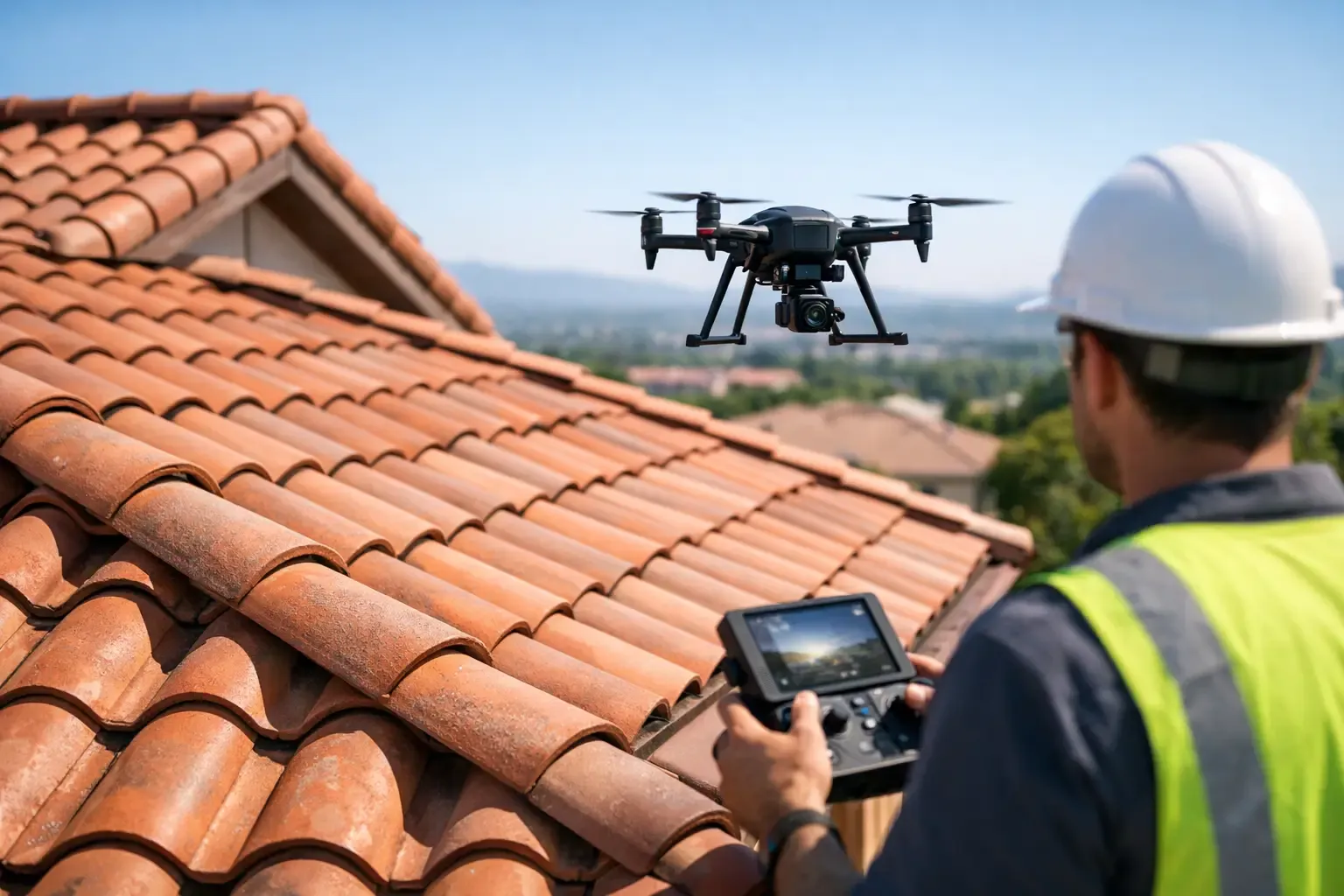
A thermal roof inspection drone helps detect trapped moisture, leaks, and heat loss faster, safer, and with less disruption to homes and buildings.
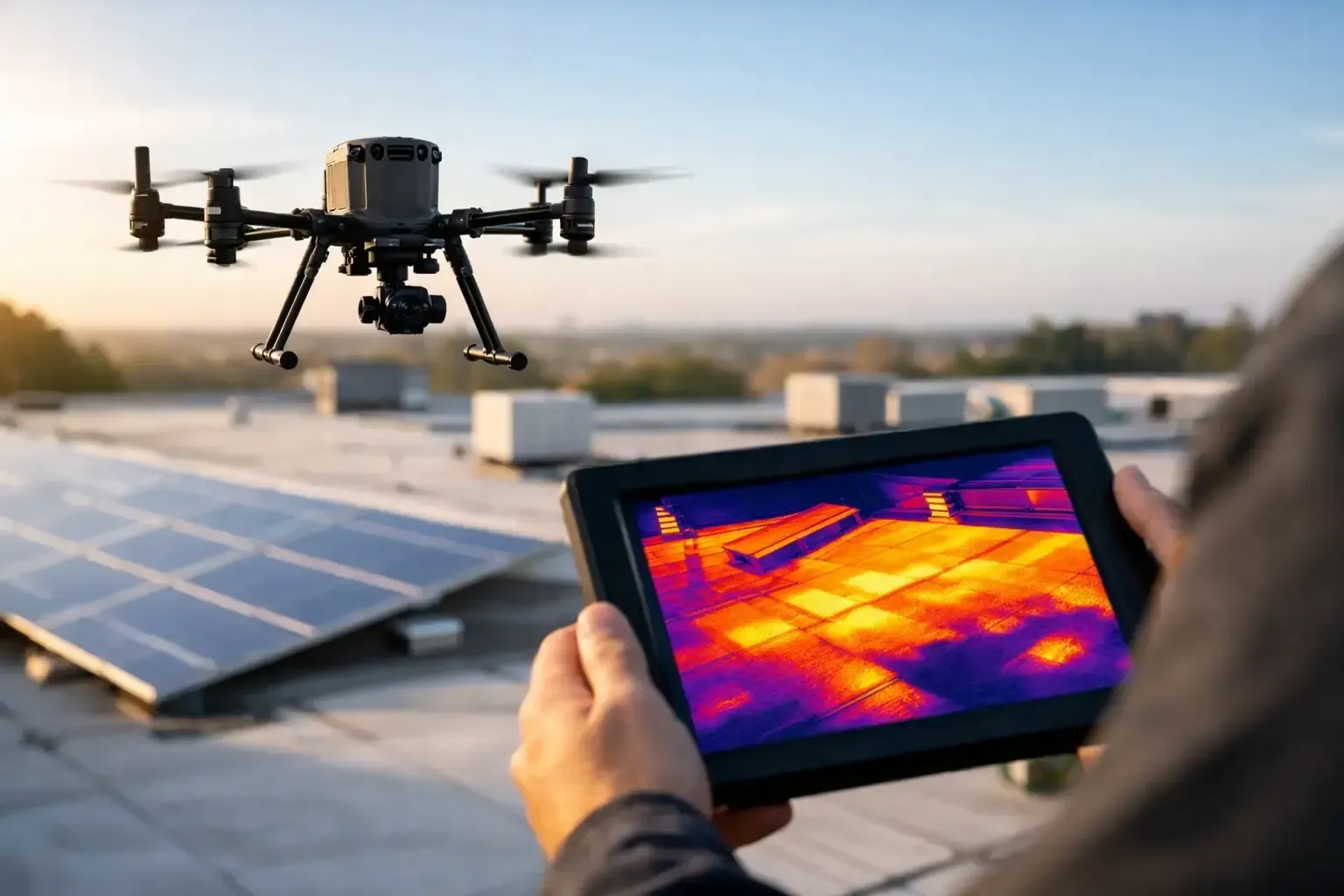
A roof can look fine from the ground and still be hiding a costly problem. That is where a thermal roof inspection drone changes the conversation. Instead of relying only on visible signs like stains, lifted seams, or ponding water, thermal imaging can reveal temperature differences that point to trapped moisture, insulation issues, and active leak paths before the damage becomes obvious.
For property owners, facility teams, contractors, and real estate professionals, that matters because roof failures rarely stay small. What starts as a wet section of insulation can turn into interior damage, mold concerns, tenant complaints, insurance questions, or a much larger repair scope than expected. The right inspection method helps you catch issues earlier, document them clearly, and make better decisions about repair versus replacement.
What a thermal roof inspection drone actually does
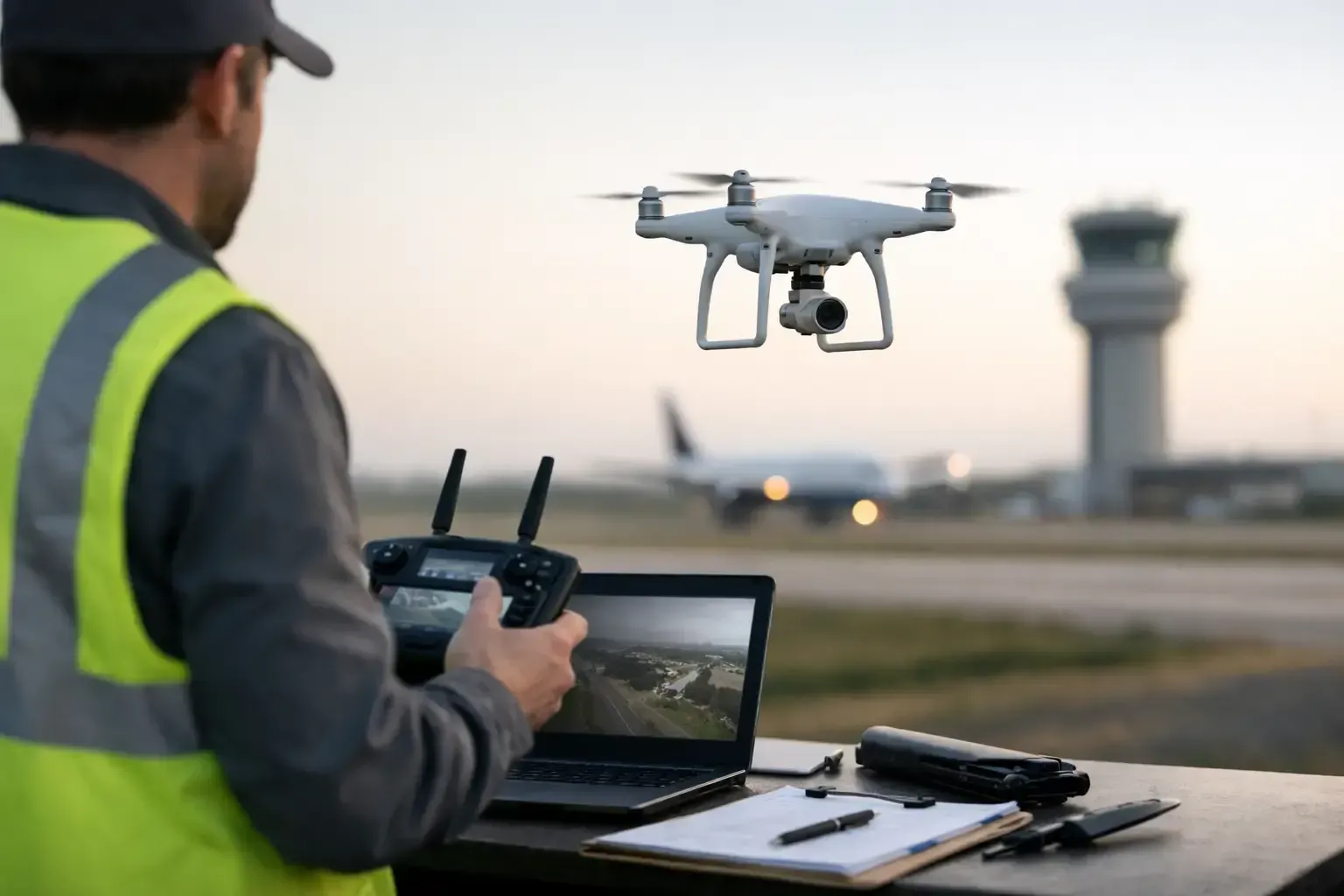
A thermal roof inspection drone pairs aerial access with a thermal camera that reads surface temperature patterns. When conditions are right, wet insulation and dry insulation do not cool at the same rate. That difference can appear on thermal imagery as distinct hot or cool areas, depending on the timing of the scan and the roof system.
This does not mean every temperature variation is a leak. HVAC equipment, rooftop penetrations, reflective surfaces, recent weather, and shading can all influence readings. A professional thermal survey is not just about flying a drone over a building. It is about knowing when to fly, how to interpret the imagery, and how to separate likely moisture signatures from false positives.
That is why experienced operators usually treat thermal roof inspections as a diagnostic tool, not a guess. The goal is to identify suspect areas quickly and safely so the building owner or roofing contractor can verify conditions and plan the next step with more confidence.
Why thermal roof inspection drone services make sense
Traditional roof inspections still have value, but they come with limits. Walking a large roof takes time, may require more site coordination, and does not always reveal what is happening below the membrane. On steep, fragile, or difficult-to-access roofs, safety becomes a serious factor.
A drone-based thermal inspection helps reduce those access challenges while covering more area in less time. That can be especially useful for commercial buildings, multifamily properties, warehouses, retail centers, schools, and large custom homes where roof layout and square footage make manual inspection slower and less efficient.
The speed is only part of the benefit. Good aerial thermal data also gives stakeholders a clearer visual record. Instead of describing a suspected issue in general terms, you can review imagery that shows exactly where anomalous areas appear across the roof surface. That is useful for maintenance planning, capital budgeting, warranty discussions, insurance documentation, and contractor communication.
What problems thermal imaging can reveal
The most common reason to hire a thermal roof inspection drone is moisture detection. Trapped moisture beneath roofing materials often changes thermal behavior enough to stand out under proper inspection conditions. That can help isolate wet sections before they spread.
Thermal imagery can also support the investigation of recurring leaks that have been difficult to trace from inside the building. Water does not always enter directly above the interior stain. It can travel along structural elements or within roofing layers, which makes visual troubleshooting frustrating and expensive.
In some cases, thermal scans also highlight insulation gaps, heat loss patterns, or areas affected by poor installation. On flat and low-slope systems, they are often most valuable for identifying suspect moisture zones. On residential properties, the findings may be more limited by roof type, surface materials, slope, and environmental conditions, but thermal still offers a safer first look than climbing onto every roof section blindly.
The conditions have to be right
This is the part many buyers do not hear soon enough: thermal roof inspections depend heavily on timing and environmental conditions. If the roof has not experienced the right heating and cooling cycle, the data may be inconclusive. Wind, cloud cover, recent rain, standing water, and the type of roof assembly can all affect the result.
That is why a quality provider will talk through scheduling instead of promising perfect answers at any hour on any day. Early evening, after the roof has absorbed daytime heat, is often a useful window for moisture detection on certain systems. But it depends on the structure, season, materials, and inspection objective.
A dependable operator should also be clear about what thermal can and cannot confirm. Thermal imaging can identify anomalies and likely problem areas. It does not replace every form of roof testing, and it should not be marketed as magic. In many cases, the best approach is thermal scanning followed by targeted verification from a roofing professional.
Residential and commercial use cases are different
Commercial property owners often get the most direct value from thermal roof inspections because flat and low-slope roofs tend to be large, difficult to inspect manually, and expensive to replace. If a scan helps isolate only the wet sections, the potential savings can be substantial. That is particularly relevant for property managers trying to extend roof life or developers evaluating due diligence risk before acquisition.
Residential clients usually care about something different. They may be dealing with a suspected leak, storm damage concerns, or a hard-to-access roofline on a multi-story home. In these cases, a drone inspection provides safe overhead visibility and can add thermal context where conditions allow. It may not answer every question, but it can quickly show whether there are visible problem areas worth immediate follow-up.
For real estate transactions, thermal roof imaging can also be a practical due diligence tool. Buyers, sellers, brokers, and investors benefit from clearer documentation when a roof is a major concern. The inspection may not replace a full property inspection, but it can add another layer of useful evidence.
What to look for in a provider
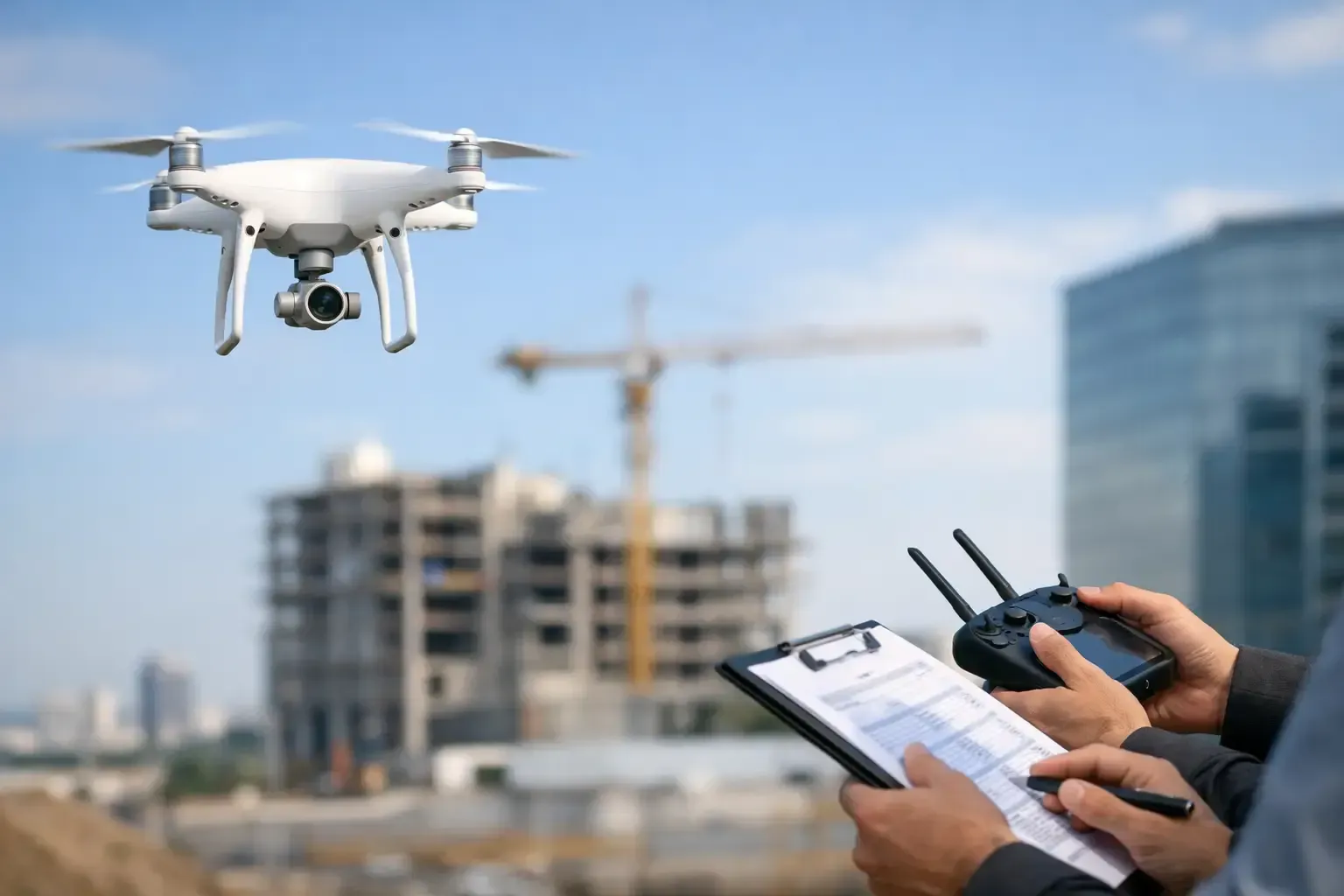
Not every drone pilot is qualified to perform meaningful thermal inspections. The flight itself is only one piece of the service. You also need someone who understands roof systems, heat behavior, image interpretation, site safety, and airspace compliance.
Look for an FAA-certified operator with commercial inspection experience, proper insurance, and a process for planning around weather and site conditions. Ask what kind of deliverables you will receive. Clear thermal images, standard visual images, and a straightforward explanation of suspect areas are usually more useful than a pile of raw files with no context.
If the property is in controlled or busy airspace, that experience matters too. A provider who regularly operates in complex environments can often avoid delays and manage approvals more efficiently. Phoenix Drone Pros approaches these projects with that operational mindset, which is exactly what roof inspections require when timing and safety both affect the result.
When a drone inspection is the right first step
A thermal roof inspection drone is often the right first move when you need fast answers without sending people onto a roof immediately. It works well for large buildings, leak investigations, maintenance planning, post-storm review, and pre-purchase evaluations where speed and documentation matter.
It may be less decisive when the roof system is heavily shaded, the weather has been unfavorable, or the inspection is scheduled at the wrong time for thermal contrast. In those cases, a reputable provider should say so. That honesty is part of what makes the data useful.
The real value is not just seeing the roof from above. It is reducing uncertainty. When thermal imaging is done correctly, you get a safer inspection process, a clearer picture of potential problem areas, and better information for the next decision. If your roof condition affects operations, budgets, or a pending transaction, that is often the difference between reacting late and acting on time.