Phoenix Drone Pros
Blog
A video offering memorandum video helps commercial listings stand out with aerial visuals, property context, and investor-ready storytelling.
A video offering memorandum video should do more than look polished. It should help an investor understand the asset, the location, the access points, and the surrounding demand drivers before a call is ever scheduled. In commercial real estate, that matters because attention is short, underwriting moves fast, and brokers need marketing materials that support the deal instead of just decorating it.
For many listings, the traditional offering memorandum still carries the weight of the sale. It holds the rent roll, the financial assumptions, the maps, the tenant mix, and the investment thesis. But the way buyers first engage with a property has changed. A well-produced video gives the memorandum motion, context, and speed. It helps a buyer grasp the property in minutes, not just pages.
What a video offering memorandum video actually does
The best videos in this category are not generic highlight reels. They are visual sales tools built around the same job as the memorandum itself - present the asset clearly, support the story, and reduce friction in early-stage review.
That means the video should show more than a dramatic flyover. It should answer practical investor questions. What does the site layout look like from above? How visible is the property from surrounding roads? What is nearby that supports occupancy or traffic? How does the building sit within the submarket? Is there enough parking, truck circulation, frontage, or neighboring retail energy to strengthen the case?
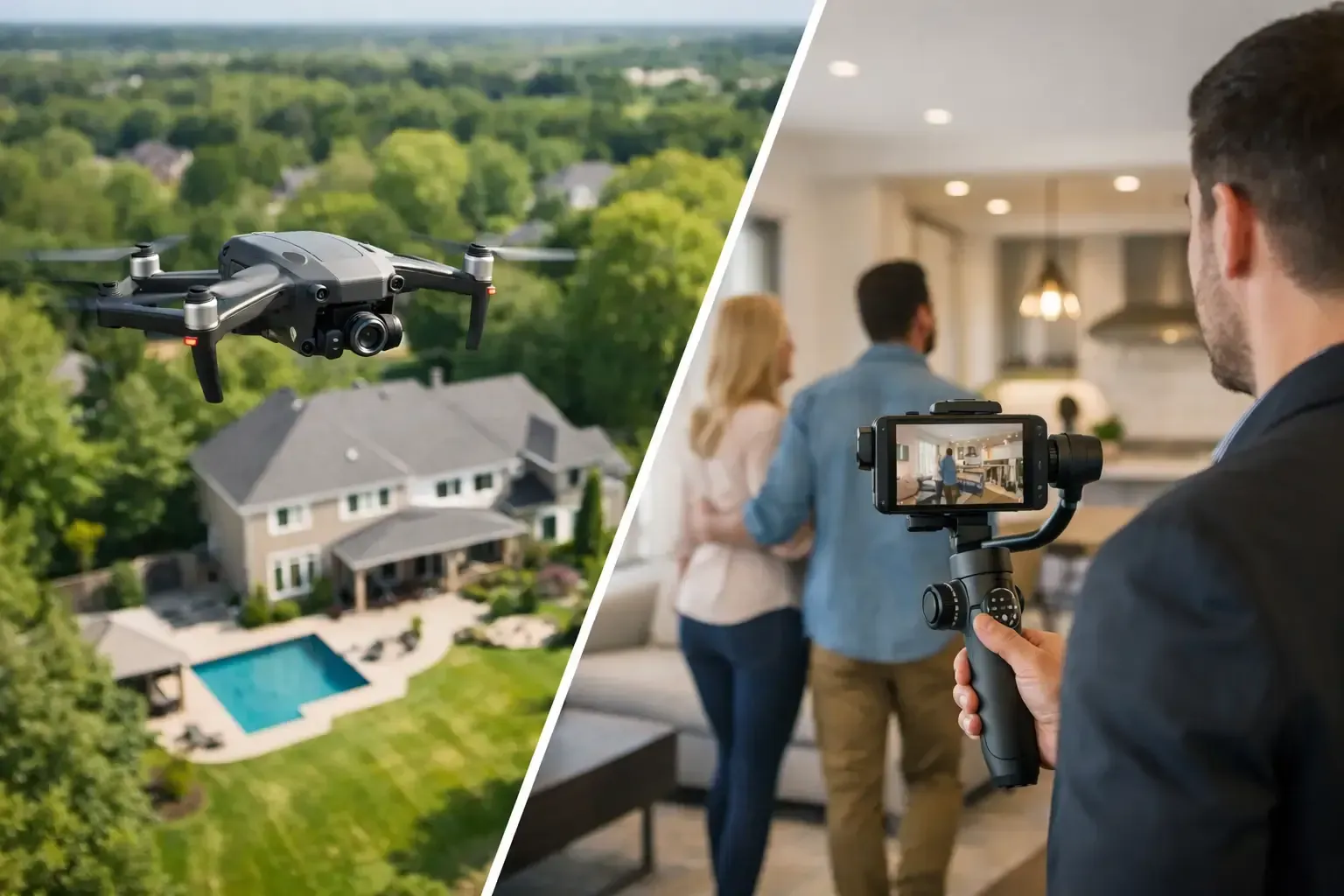
For industrial, office, multifamily, retail, and land listings, aerial footage often gives the fastest understanding of the asset. Ground-level photos still matter, but they cannot always show ingress and egress, surrounding rooftops, nearby competitors, or adjacency to highways and major intersections. A broker offering memorandum video closes that gap.
Why video matters in commercial brokerage
Commercial buyers are not all looking for the same thing. A private investor may want a fast overview before opening the financials. An out-of-state group may need location context because they do not know the market. An owner-user may care more about access and building functionality than polished interiors. Video helps each of those viewers orient quickly.
It also helps brokerage teams package the listing more professionally. When marketing materials are consistent across drone footage, still photography, maps, and offering memorandum design, the listing feels managed by operators who understand the asset class. That perception affects response quality.
There is a trade-off, though. Video can hurt as easily as help if it is vague, overproduced, or disconnected from the actual deal story. If the footage is all cinematic sweeps with no useful context, serious buyers may see it as filler. In this space, clarity beats flash.
What to include in a video offering memorandum video
A strong video starts with the property itself, but it should not end there. Investors want to understand both the asset and the environment around it.
Property overview shots
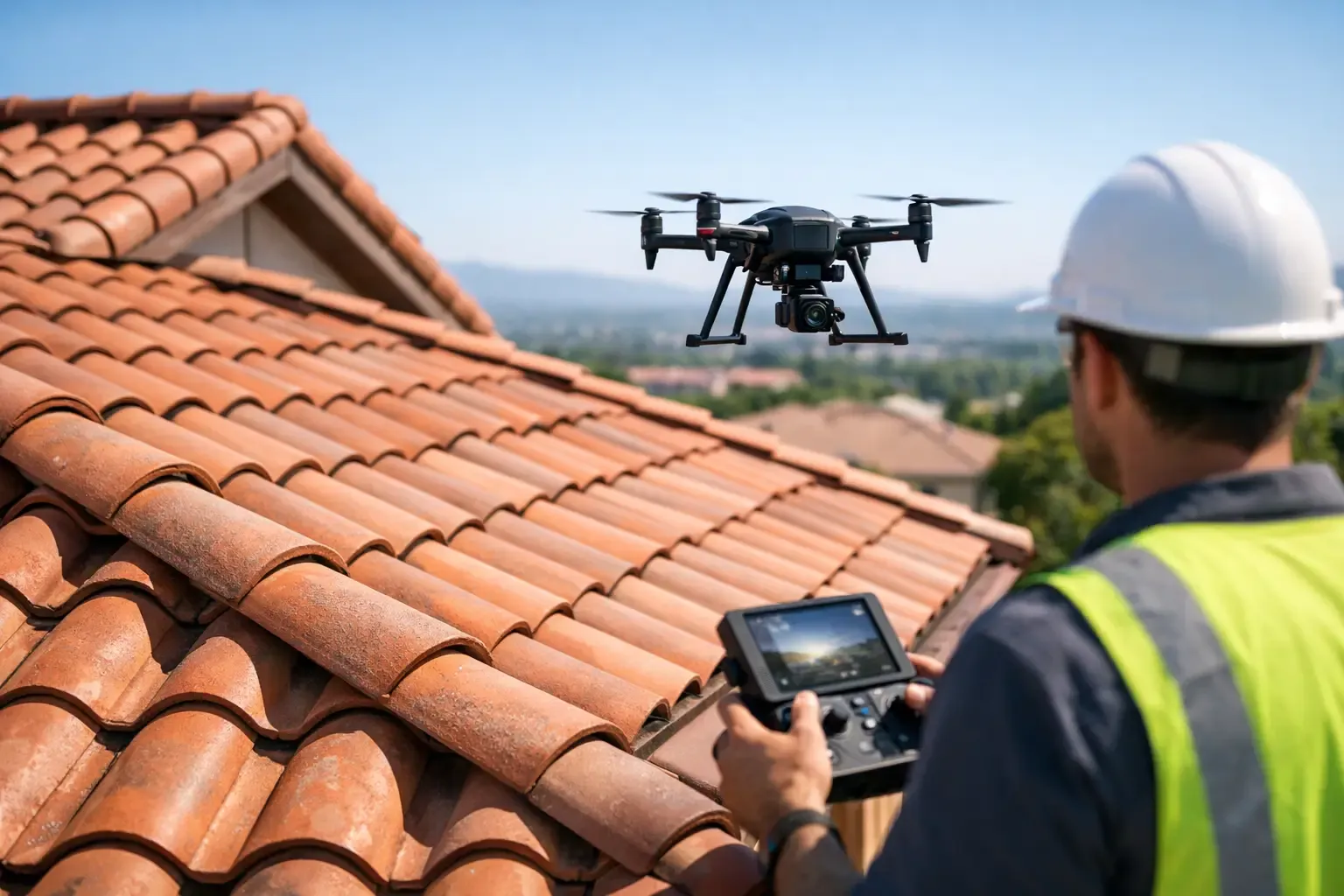
Start with clean exterior coverage that establishes the building, the site, and the immediate approach. This usually includes altitude variation, front elevation angles, parking areas, access routes, loading areas, monument signage, and roof condition when relevant. For larger sites, top-down and angled aerials help explain layout far faster than static imagery.
Surrounding area and market context
Location is part of the underwriting story, so the video should show the nearby roads, retailers, rooftops, employers, new development, and other demand drivers that support the listing. For some properties, this matters as much as the building itself. A retail center near dense rooftops and strong traffic counts benefits from area context. An industrial asset near freeway access and logistics corridors does too.
Motion that supports the memorandum
The offering memorandum is already carrying hard data. The video should complement it, not repeat it word for word. Think in terms of reinforcement. If the OM highlights easy freeway access, the footage should show the freeway relationship. If it emphasizes visibility at a signalized corner, the aerials should make that obvious. If it positions the site as redevelopment land, the video should reveal parcel scale, neighboring uses, and surrounding momentum.
Clean editing and practical pacing
A broker offering memorandum video does not need to be long. In many cases, 60 to 120 seconds is enough. The goal is not to exhaust the viewer. It is to move them forward. Fast enough to hold attention, slow enough to be useful.
Why drone production is especially effective for OM videos
Drone footage is valuable in commercial real estate because many of the most important selling points are spatial. Buyers need to see relationship, scale, orientation, and access. Aerial video does that better than almost any other format.
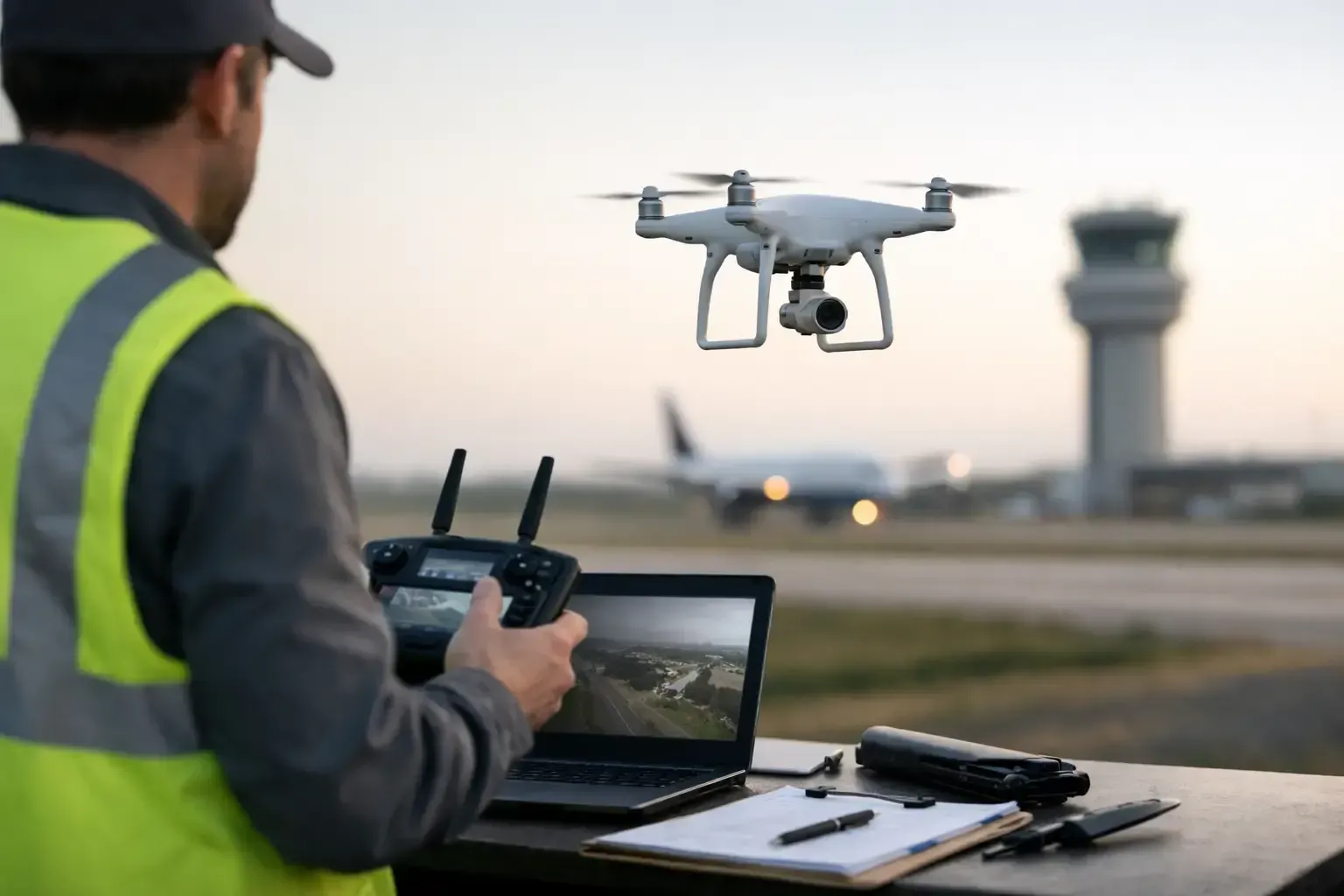
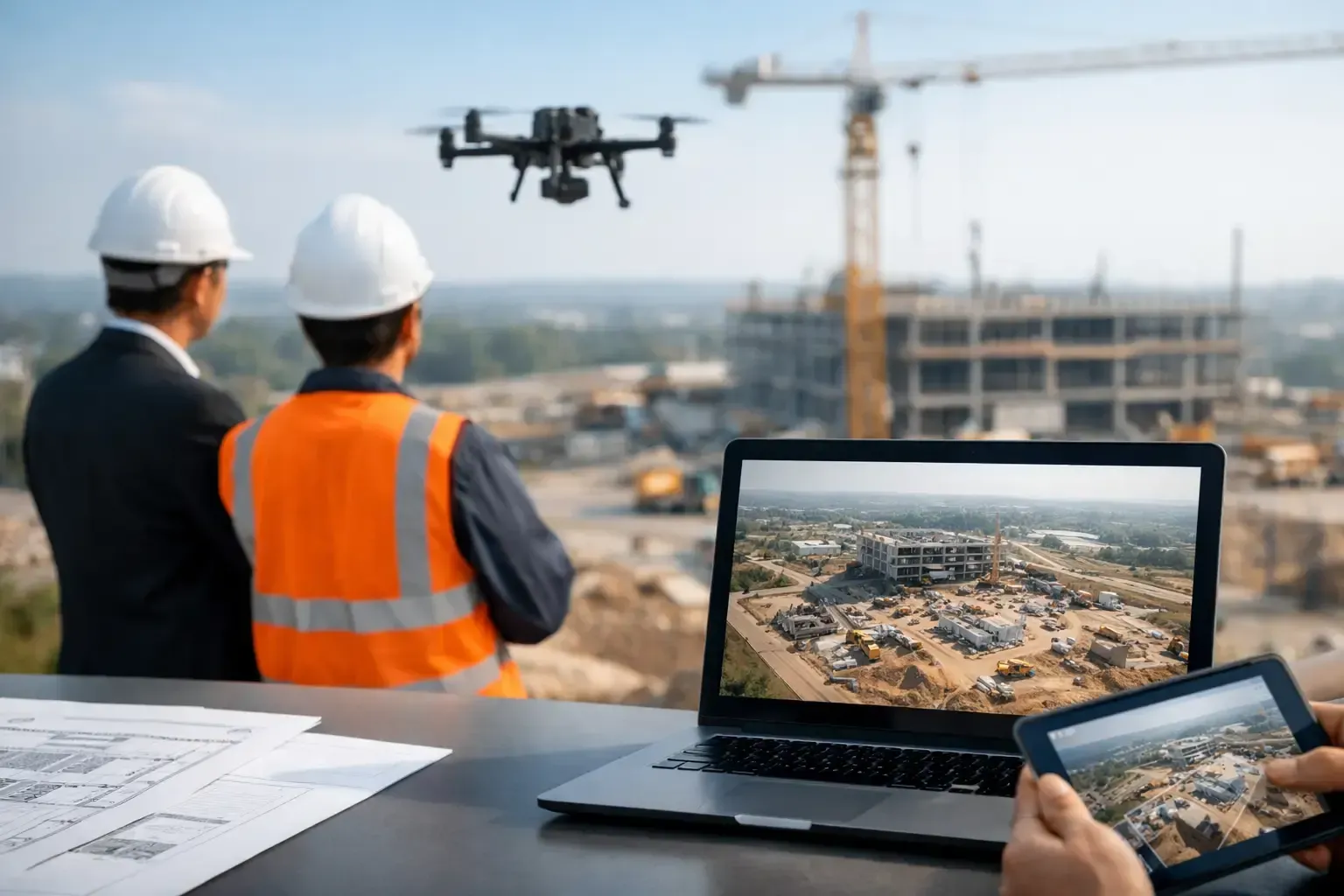
That said, commercial drone work is not just about owning equipment. Flights near active businesses, roadways, dense development, or controlled airspace require planning, compliance, and judgment. A broker may only see the final footage, but the reliability of that footage depends on the operator behind it.
FAA-certified operations, insurance coverage, and experience in complex flight environments are not marketing extras. They are part of dependable project delivery. If a video shoot is delayed by avoidable airspace issues or safety concerns, your marketing timeline slips with it. For brokers working under tight launch schedules, that is a real problem.
This is where experienced commercial operators stand apart. A team like Phoenix Drone Pros approaches the assignment as field production for a business asset, not as a casual photo session. That difference shows up in scheduling, communication, compliance, and the consistency of the final deliverables.
When a video offering memorandum video is worth the investment
Not every listing needs the same level of production. A stabilized photo package may be enough for some smaller assets. But for many commercial listings, especially those competing for investor attention across a wide geography, video earns its place quickly.
It is particularly useful for larger retail centers, industrial properties, multifamily communities, office campuses, redevelopment sites, and land listings where site context is central to the pitch. It also makes sense when the buyer pool includes out-of-market investors who are screening many opportunities remotely.
If the deal story depends heavily on access, frontage, nearby development, visibility, scale, or neighborhood momentum, video is doing real work. If the asset is visually plain but geographically strong, video may matter even more because it can communicate locational advantages that still photos often miss.
The exception is when a property has serious condition issues, tenant sensitivity, or legal limitations that make filming impractical. In those cases, a more limited production plan may be smarter. Good marketing is not about forcing the same format onto every listing. It is about choosing the right tools for the asset.
How brokers can get a better result from production teams
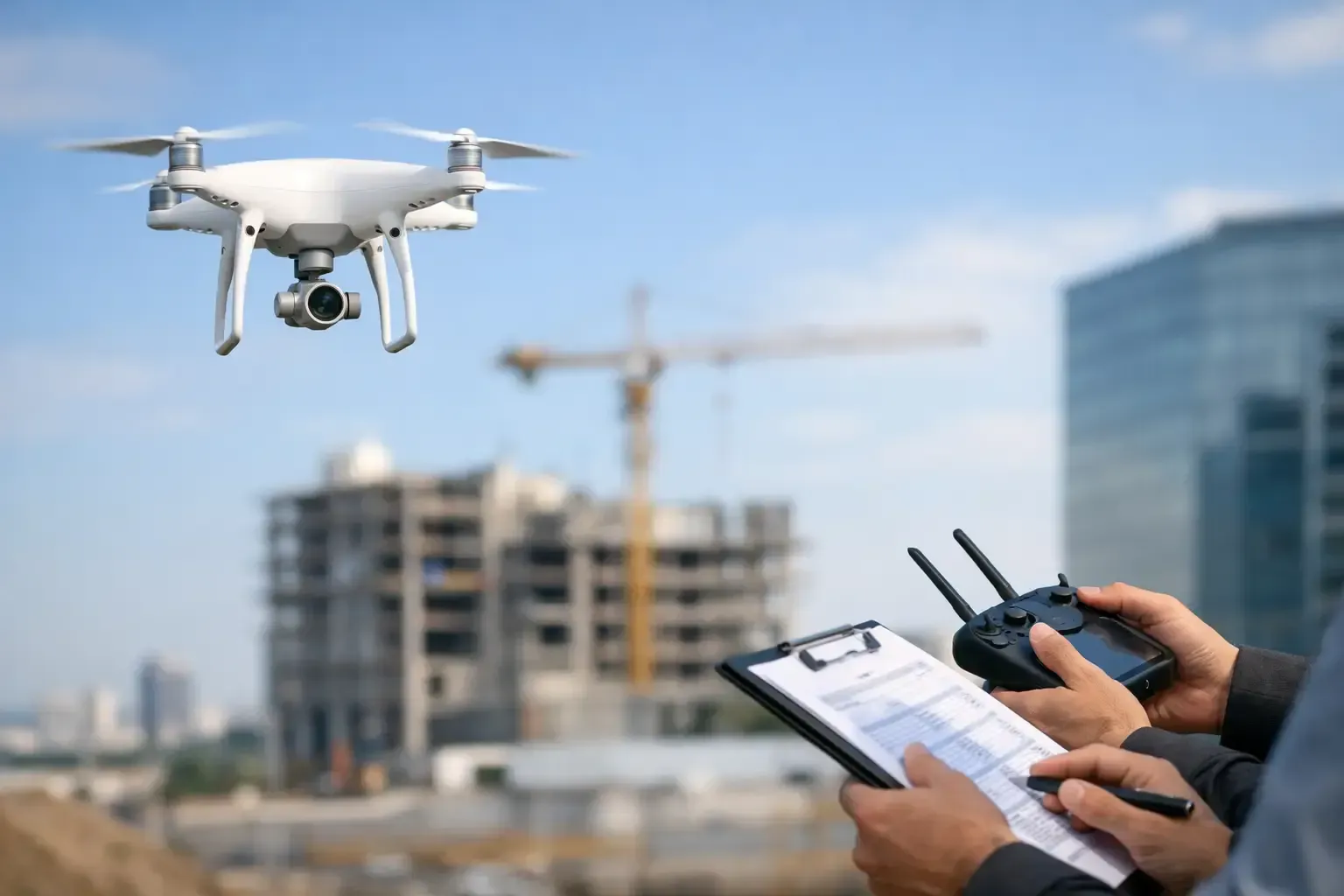
The strongest commercial property videos happen when the broker and the drone team align on the deal story before filming starts. That means sharing the property type, target buyer, key selling points, and any constraints on site access or flight timing.
For example, an industrial listing may need footage that emphasizes truck courts, loading positions, freeway connectivity, and surrounding warehouse concentration. A retail property may need more attention on pylon signage, traffic patterns, neighboring national tenants, and the consumer trade area. A multifamily asset may need to balance amenities, nearby employment, and street presence. The production plan should reflect those priorities.
It also helps to be realistic about timing. Weather, airspace coordination, tenant activity, traffic flow, and sun angle all affect the shoot. Fast scheduling is valuable, but rushed planning can lower quality. The best teams move quickly without skipping operational steps.
Common mistakes that make OM videos less effective
The most common mistake is treating the video like a generic brand commercial. Commercial buyers are not looking for mood. They are looking for evidence.
Another problem is overediting. Heavy transitions, distracting music choices, and unnecessary effects can make the piece feel less credible. In investment marketing, restraint often reads as more professional.
A third issue is failing to capture the surrounding context. Many shoots focus tightly on the building and miss the roads, intersections, rooftops, and nearby commercial activity that actually shape investor interest. If you are creating a broker offering memorandum video, context is not optional.
The real value is speed to understanding
Every marketing asset in brokerage has a job. The brochure informs. The OM details the thesis. The call builds rapport. The site tour confirms assumptions. Video sits early in that sequence, and its job is simple - help the right buyer understand the opportunity quickly enough to take the next step.
When it is planned well, shot safely, and edited with the investor in mind, a broker offering memorandum video becomes more than a nice add-on. It becomes part of how serious listings get reviewed, remembered, and moved forward. If your property story depends on location, layout, and context, the camera should be working as hard as the memorandum.