Phoenix Drone Pros
Blog
Drone pilot training should prepare you for real jobs, FAA rules, safety, airspace, and client work - not just test prep or basic flight time.
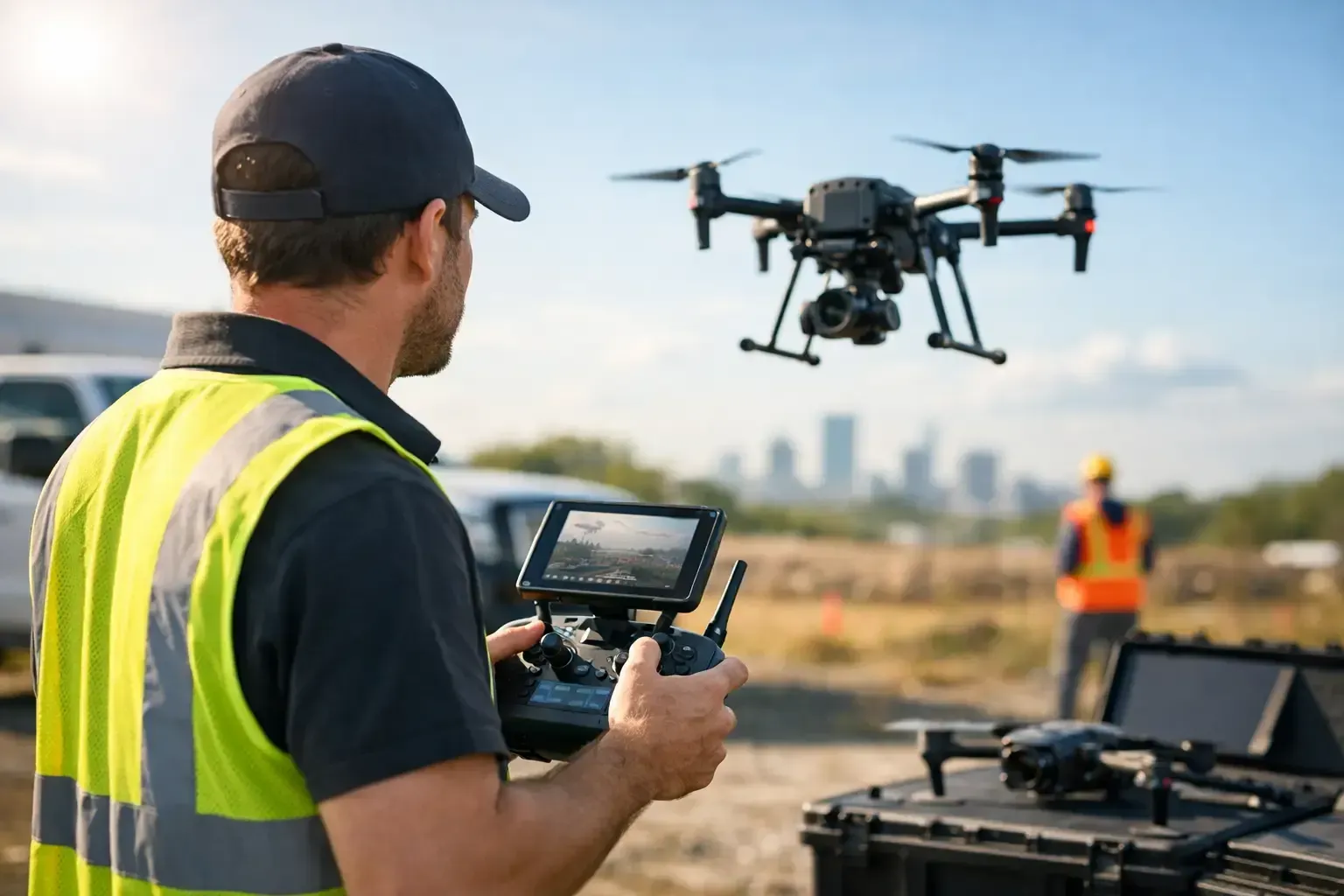
A drone can be easy to launch and surprisingly hard to operate well when money, safety, and deadlines are on the line. That is where drone pilot training separates a casual flyer from a dependable operator. If your goal is real estate media, roof inspections, construction updates, thermal work, or public safety support, training needs to go far beyond getting airborne.
Most new pilots start in the same place. They focus on the aircraft, the camera, or the FAA knowledge test. Those are all necessary, but they are not the whole job. Commercial drone work happens around active properties, moving crews, occupied neighborhoods, controlled airspace, weather shifts, and clients who expect clear communication and usable deliverables.
What good drone pilot training should actually cover
At a minimum, training should build three things at the same time: legal compliance, flight proficiency, and jobsite judgment. If one of those is missing, the pilot may still be able to fly, but not operate professionally.
FAA knowledge matters because commercial work starts with regulation. Pilots need to understand airspace classes, weather reports, sectional charts, loading and performance, emergency procedures, and the operating limits under Part 107. Passing the exam proves baseline knowledge, but it does not prove the pilot can manage a construction site at sunrise or coordinate a safe takeoff beside a live roadway.
Flight skill matters for obvious reasons, but even that gets oversimplified. Smooth stick control is useful. Smooth, deliberate positioning for repeatable property shots, facade reveals, orbit work, inspection angles, and confined launch areas is what pays. A pilot who can hold framing in gusty conditions and adjust without rushing is far more valuable than one who only flies confidently in open fields.
Judgment is the piece many short programs miss. That includes preflight planning, hazard recognition, understanding when not to fly, and knowing how to adapt when the site conditions are different from what the map suggested. Good training teaches decision-making, not just maneuvers.
Drone pilot training for commercial work is different
A lot of entry-level drone education is built for hobby progression or test prep. That is fine if the goal is recreational flying. It is not enough if the goal is billing for services, protecting property, and representing a business professionally.
Commercial pilots need to think like field operators. Before the aircraft comes out, they should be evaluating the location, nearby structures, GPS reliability, pedestrian traffic, worker activity, privacy concerns, and whether the mission can be completed safely and efficiently. They also need to understand client expectations. A real estate agent may care about speed and polished visuals. A contractor may care about repeatable progress documentation. An inspection client may care less about cinematic footage and more about clear, actionable imagery.
That difference changes how training should be delivered. Real-world programs should include scenario-based practice, not only classroom instruction. They should teach site setup, pre-mission briefing, battery planning, contingency procedures, data capture standards, and post-flight file handling. Those are the habits that produce consistent work.
FAA test prep is necessary, but it is not enough
There is a common mistake in the market: treating the Part 107 exam as the finish line. It is better understood as the entry point.
A pilot can pass the knowledge test and still struggle with airspace authorization, crew communication, on-site safety zones, manual control during GPS interruptions, or explaining operational limits to a customer. Those gaps matter most in urban and suburban markets where flights often happen near homes, businesses, traffic corridors, and controlled airspace.
For that reason, the strongest training programs pair regulatory study with field repetition. Pilots should leave training knowing how to read the mission before they arrive, how to identify obstacles quickly, how to brief a visual observer when needed, and how to stop a mission if conditions change. Compliance is not a checkbox. It is part of professional risk management.
The skills that matter most on actual job sites
If the goal is paid work, drone pilot training should match the mission types the pilot wants to perform. The basics carry over, but different jobs demand different habits.
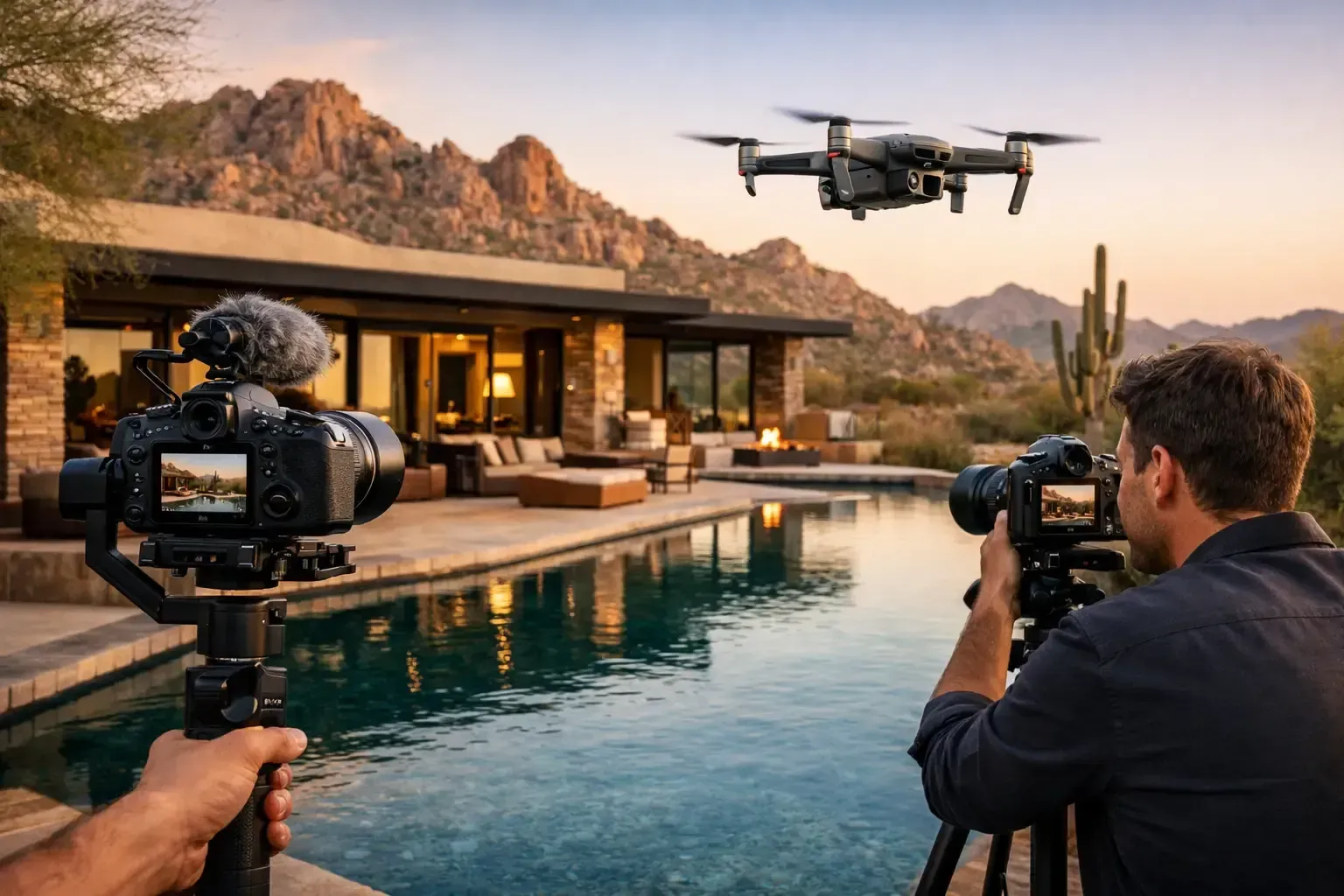
Real estate media requires clean flight paths, steady reveals, thoughtful composition, and efficiency. A listing appointment rarely allows endless experimentation, so the pilot needs a repeatable process that produces quality quickly.
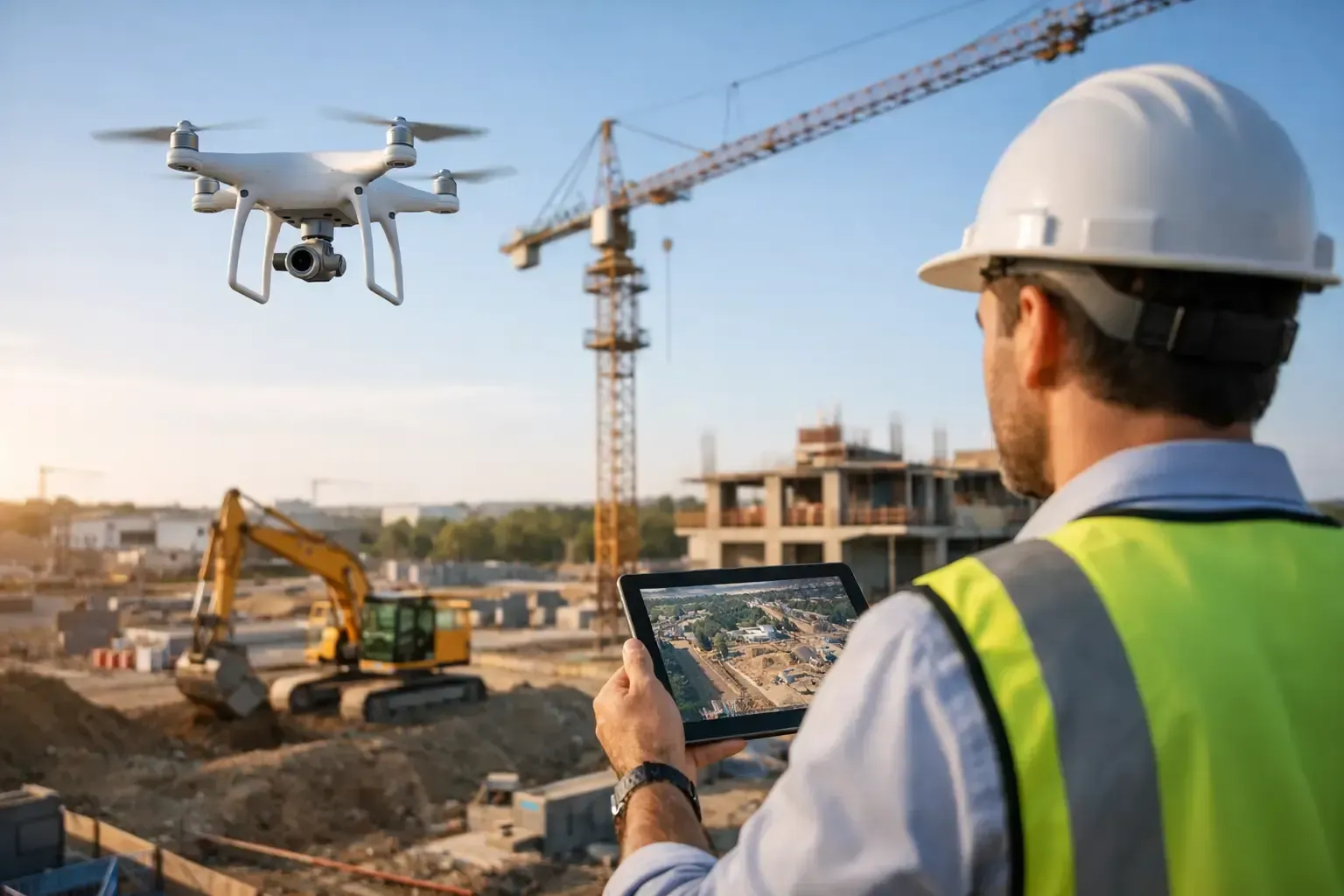
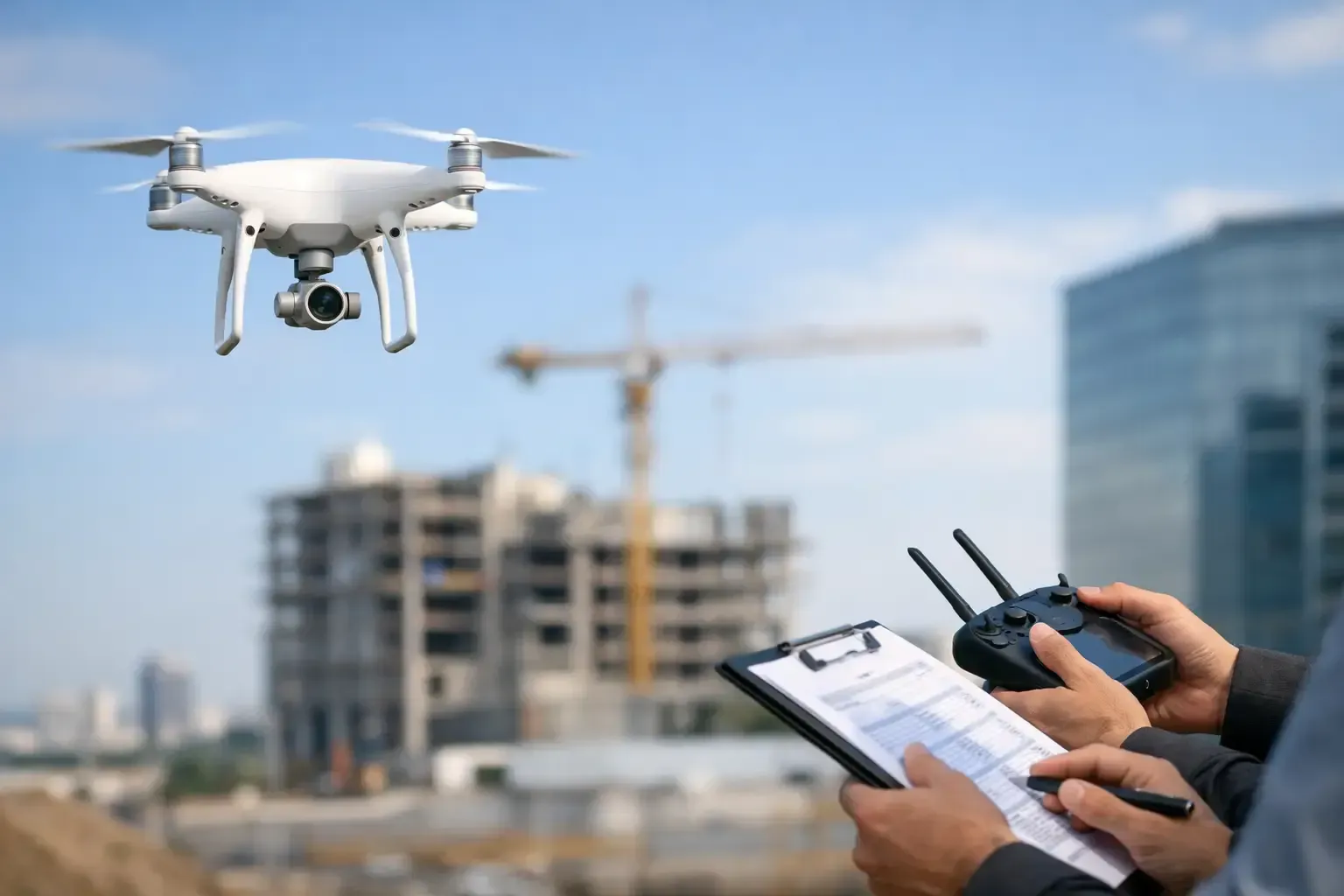
Construction documentation demands consistency. Flights may need to be repeated from similar positions over weeks or months, often around equipment, crews, and changing site conditions. That means strong planning, disciplined spacing, and reliable communication with site contacts.
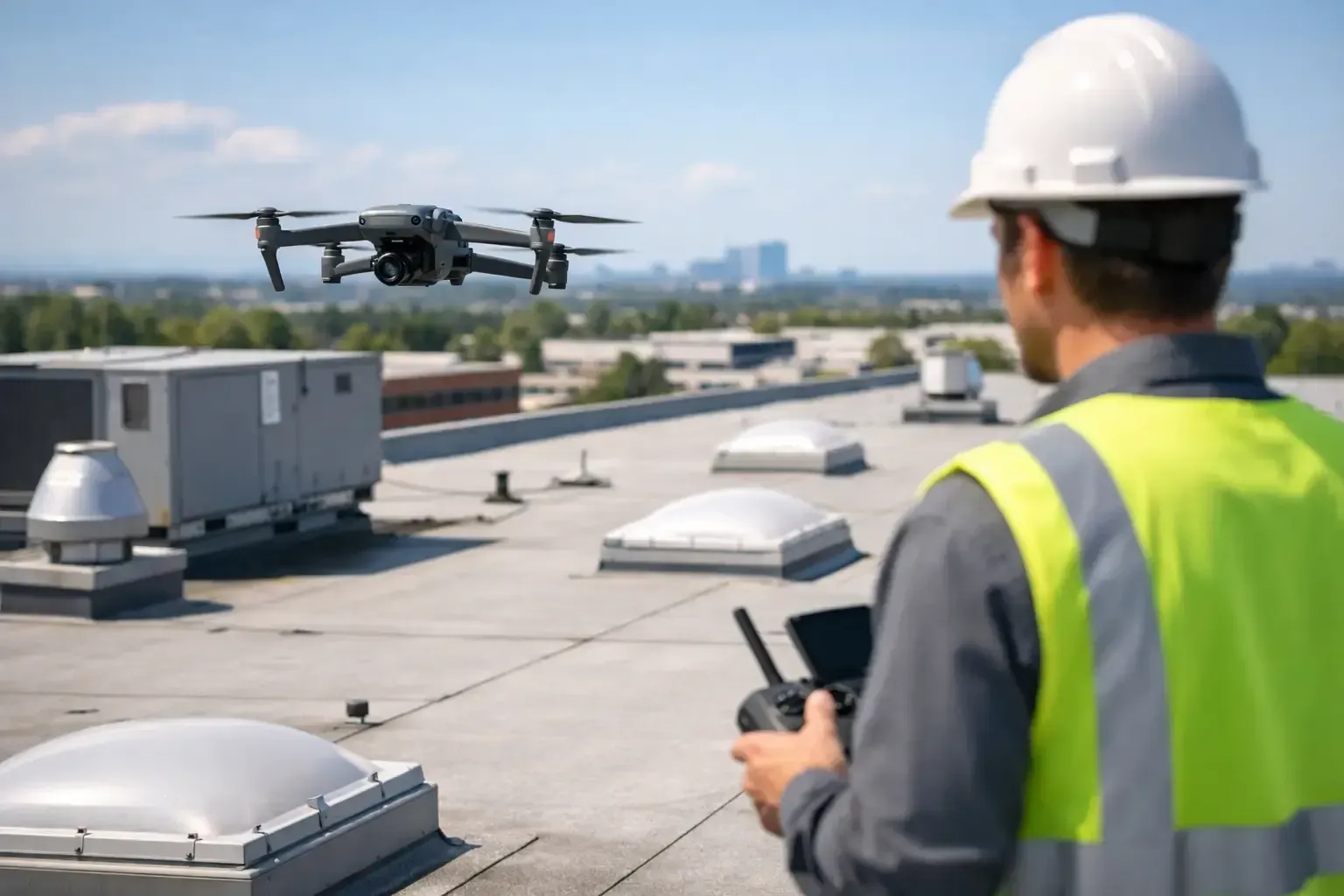
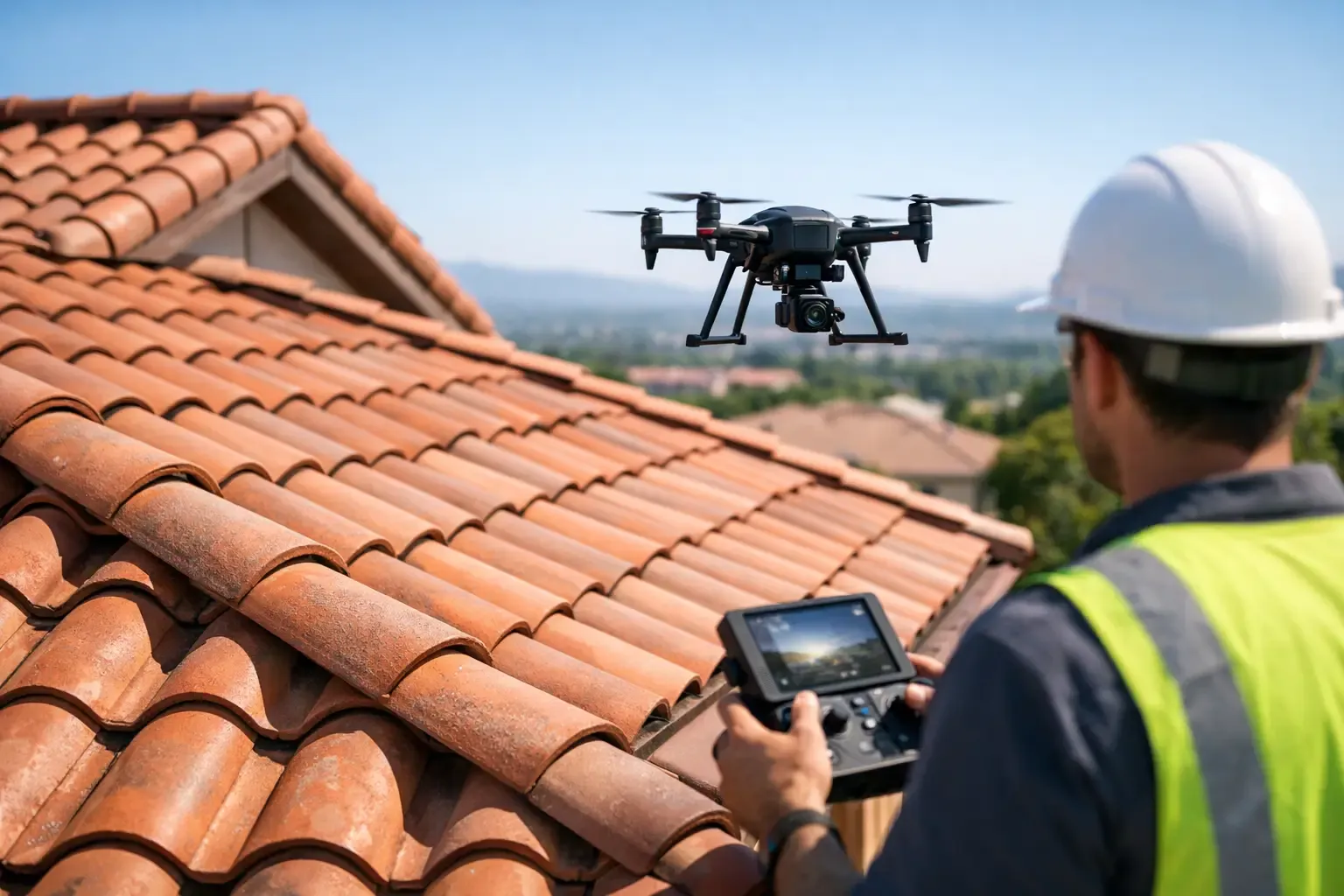
Inspection work raises the technical bar. Roofs, facades, solar arrays, and thermal missions all require more than general flight confidence. Pilots need to understand proximity, angle management, sunlight conditions, image usefulness, and how to avoid rushing near sensitive structures. In some cases, the best pilot decision is to reposition, reschedule, or decline a risky shot.
Public safety and search support call for even tighter operational discipline. In those environments, the pilot is part of a broader response effort. Clear communication, airspace awareness, and calm execution matter as much as image capture.
How to evaluate a drone pilot training program
A serious training program should be judged by what it prepares you to do after the lesson ends. If the curriculum is vague, heavily focused on marketing hype, or built around the drone model instead of the mission, that is usually a warning sign.
Look for training that covers both knowledge and applied flying. Ask whether the instruction includes preflight planning, airspace decision-making, emergency procedures, and scenario-based missions tied to real commercial use cases. Ask whether students practice around common field constraints instead of only open, obstacle-free space.
Instructor experience matters too. There is a difference between someone who knows drones and someone who has spent years flying insured commercial operations for clients, in varied conditions, with actual deadlines and liability. Experienced operators teach details that are easy to overlook until they become expensive mistakes.
It also helps to understand whether the training is broad or specialized. Broad training builds a foundation. Specialized training is where pilots learn how to capture thermal data correctly, document a construction site methodically, or shoot property media that meets client expectations. One is not automatically better than the other. It depends on where the pilot is starting and what kind of work they plan to pursue.
Why local operating conditions matter
Drone pilot training is not one-size-fits-all across the country. Pilots working in the Southwest face conditions that shape how they operate. Heat affects batteries and aircraft performance. Harsh midday light changes image quality. Wind can build quickly. Dense suburban growth creates more complicated launch environments, and metro areas often bring controlled airspace considerations.
That is why local relevance matters. Training should reflect the environments where pilots expect to work, whether that means residential neighborhoods, active developments, rooftops, event venues, or commercial corridors. A program that teaches students only in perfect weather and wide-open land may leave them underprepared for routine client jobs.
For operators serving markets like Phoenix and San Antonio, controlled-airspace awareness and site discipline are especially important. Fast-moving growth means more projects, but it also means more complexity. Pilots who can navigate that responsibly stand out.
Training should improve client confidence too
Customers rarely ask only about your drone. They ask whether you are certified, insured, experienced, and able to complete the job without creating problems. Good training helps pilots answer those questions with confidence because it builds professional habits clients can see.
That includes arriving prepared, explaining the plan clearly, setting expectations, and operating with visible care around people and property. It also includes understanding what the client actually needs. A polished flight means very little if the footage is poorly framed for a listing, or if the inspection images miss the areas of concern.
Professionalism is part of the deliverable. For service-based operators, that can be the difference between one job and long-term repeat work.
The best drone pilot training keeps evolving
The industry changes quickly. Aircraft systems improve, sensors expand, software workflows shift, and regulations continue to develop. Training should not be treated as a one-time event. The best pilots keep refining their process as their mission types become more demanding.
That does not always mean formal courses every few months. It can mean recurrent practice, mission reviews, staying current on FAA requirements, and getting advanced instruction when moving into higher-risk or more technical work. A pilot who started in basic photo work may later need deeper thermal training, inspection methodology, or more disciplined repeat-flight procedures for construction clients.
For companies like Phoenix Drone Pros, that real-world mindset matters because clients are not buying flight time alone. They are buying safe execution, reliable communication, and deliverables that solve a practical problem. Training should support that standard from the beginning.
If you are considering drone pilot training, the right question is not just how fast you can get certified. It is whether your training will prepare you to operate safely, make sound decisions, and deliver work a client would trust again.