Phoenix Drone Pros
Blog
Thermal imaging vs visual inspection: learn when each method works best for roofs, buildings, and assets - and why many inspections need both.
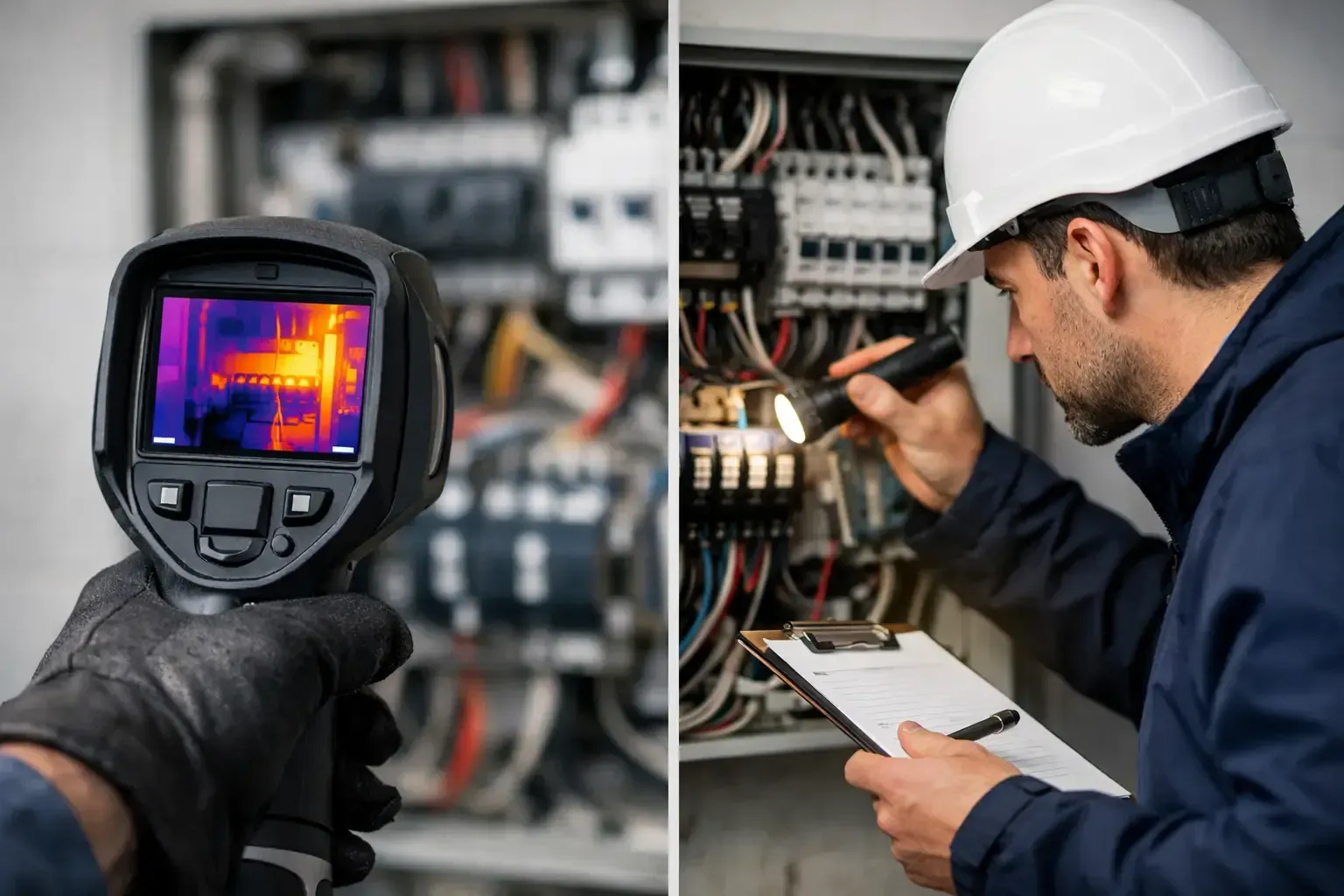
A roof can look fine from the ground and still be hiding moisture, heat loss, or electrical issues that are already costing you money. That is where the choice between thermal imaging vs visual inspection starts to matter. For property owners, managers, contractors, and real estate professionals, the right inspection method is not about getting more images. It is about finding the right information before a minor issue becomes a repair, a delay, or a liability.
Thermal imaging vs visual inspection: what is the difference?
Visual inspection is exactly what it sounds like. An inspector observes a roof, facade, solar array, building envelope, or site condition and documents what can be seen with standard imaging. That includes cracks, displaced materials, standing water, debris, storm damage, wear patterns, missing components, and other visible defects.
Thermal imaging adds a different layer of data. A thermal camera reads surface temperature differences and displays patterns that the naked eye cannot detect. Those patterns can point to trapped moisture, insulation gaps, overheating electrical components, air leakage, and solar panel performance issues. It does not see through materials, but it does reveal temperature anomalies that often signal hidden problems.
The practical difference is simple. Visual inspection tells you what is visible. Thermal imaging helps identify what may be developing below the surface or inside a system.
When visual inspection is the right first step
Visual inspection is still the foundation of many property assessments because it is fast, efficient, and often enough for the job at hand. If a homeowner wants to check for cracked tiles after a monsoon, or a contractor needs progress photos for documentation, high-resolution visual imaging may be the most useful tool.
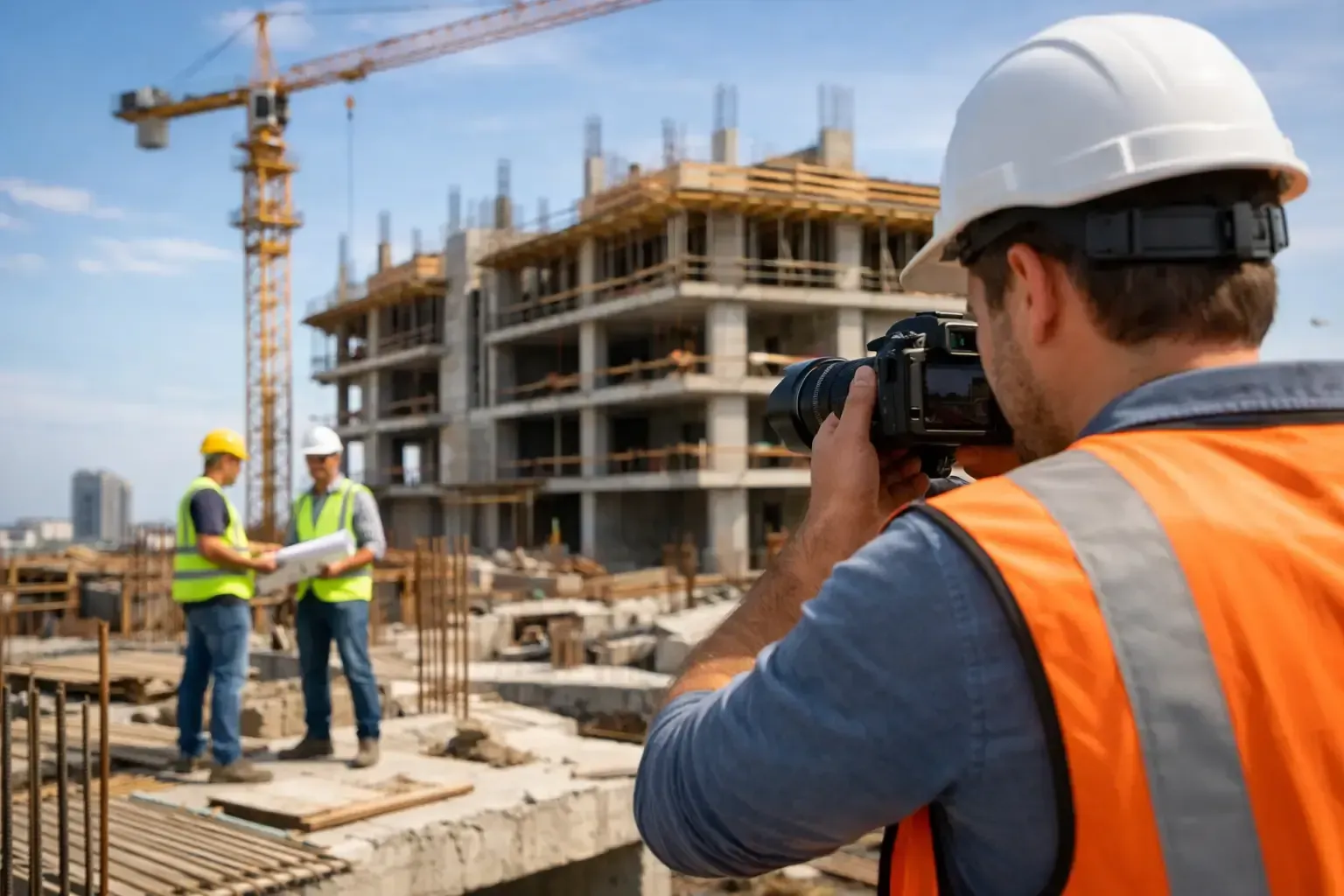
It is also the clearest method for documenting obvious physical conditions. If flashing is loose, membrane seams are lifting, HVAC units show exterior wear, or a facade has impact damage, visual imagery gives direct evidence that is easy to review and share. For insurance support, maintenance planning, and pre-sale property marketing, visible documentation often carries the most immediate value.
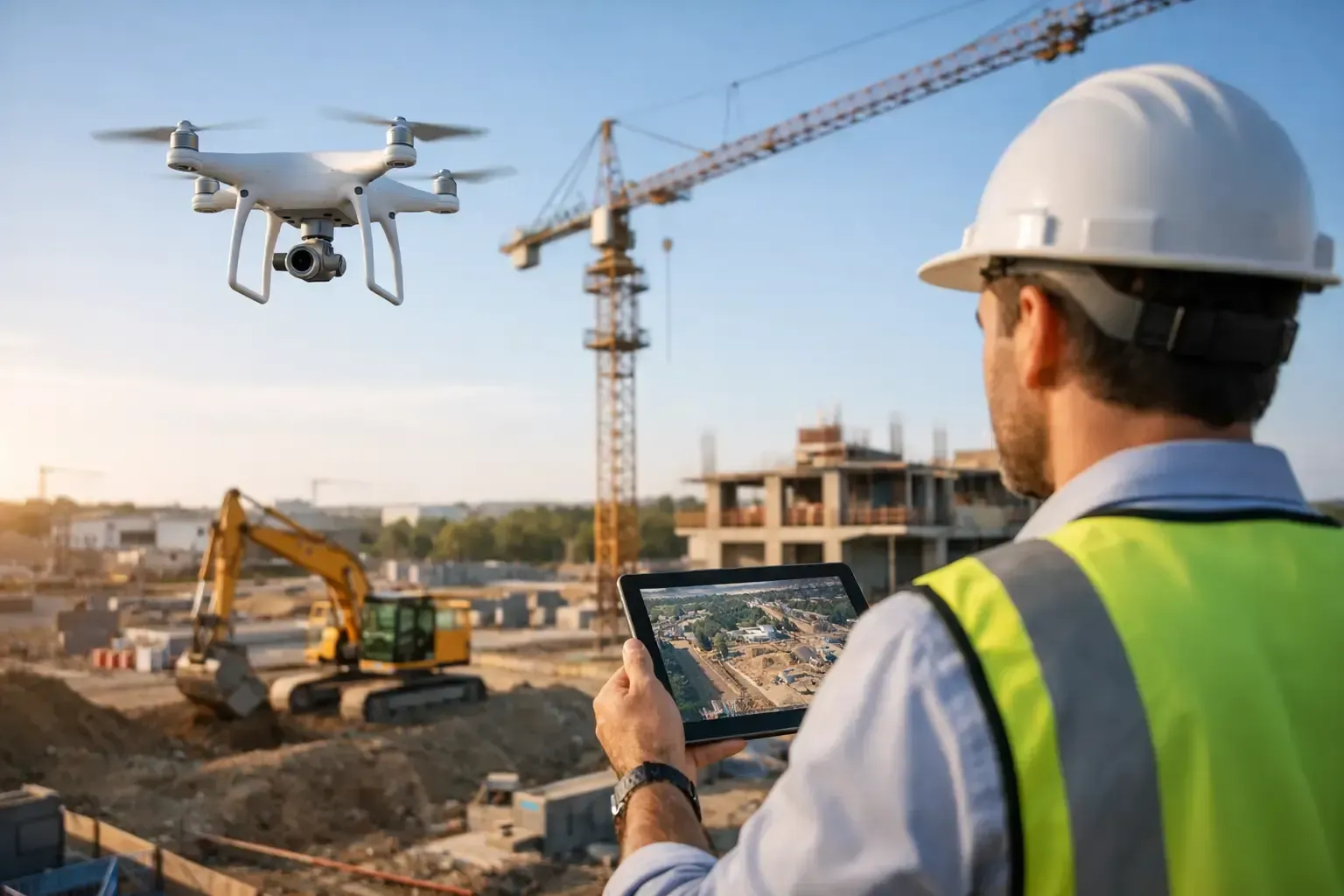
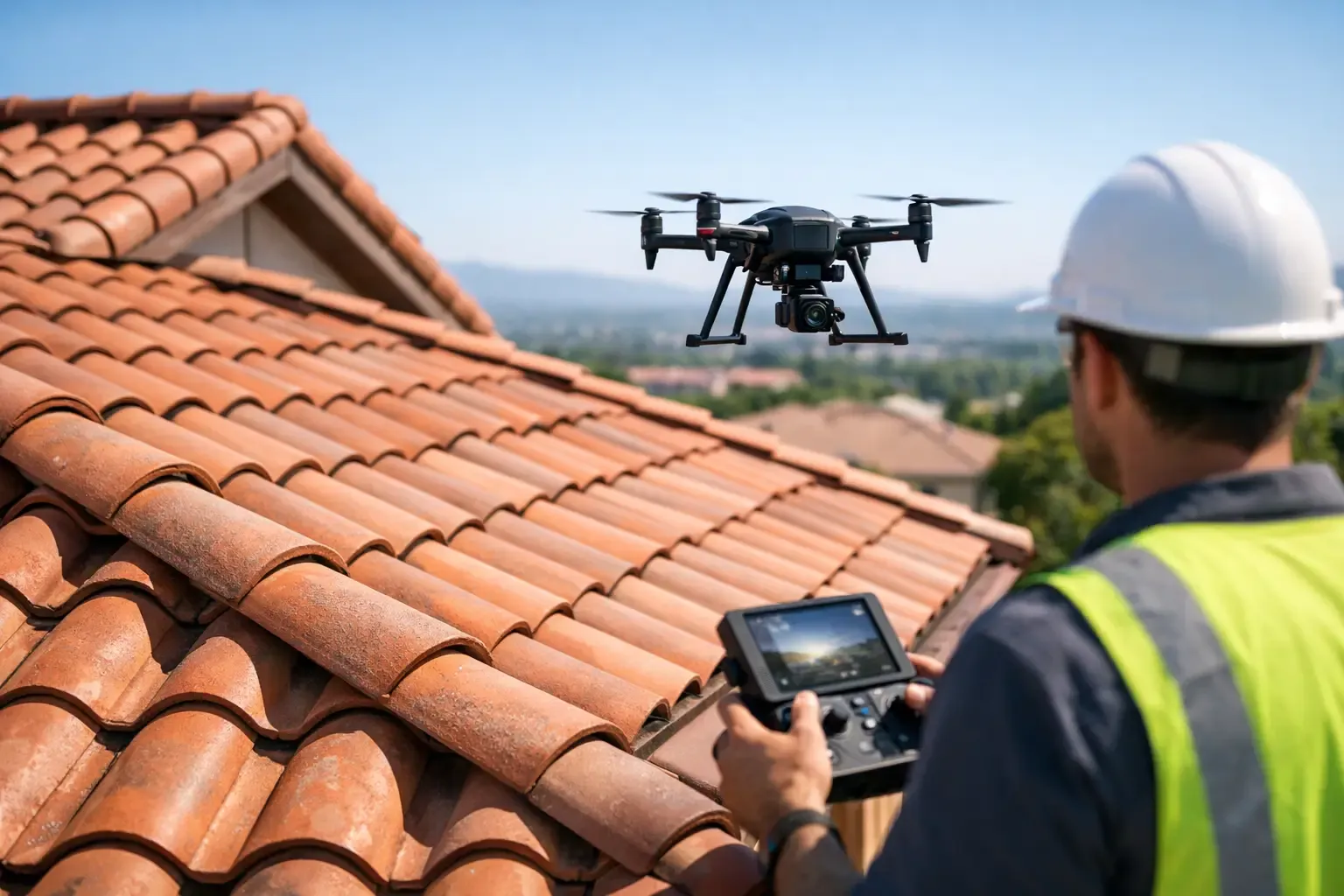
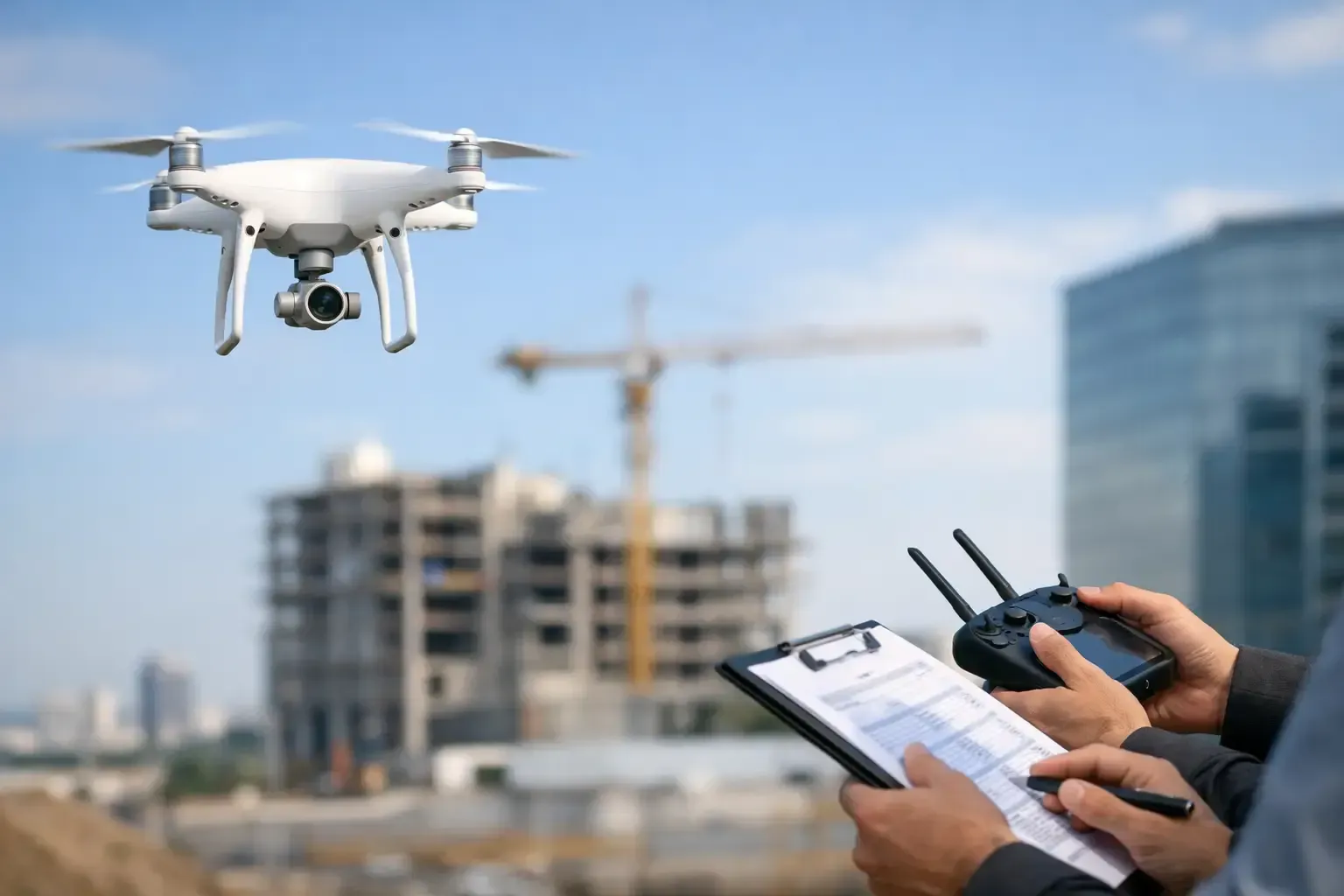
Drone-based visual inspection is especially useful when the asset is difficult or unsafe to access. Steep roofs, multi-story buildings, active construction sites, and large commercial properties all benefit from aerial inspection that reduces ladder work and keeps teams off hazardous surfaces.
That said, visual inspection has limits. If damage is hidden beneath roofing materials, behind walls, or inside electrical systems, a standard camera will not reveal it.
Where thermal imaging has the advantage
Thermal imaging becomes valuable when the question is not just what looks wrong, but what is behaving abnormally.
On roofs, temperature differences can indicate trapped moisture beneath the membrane or insulation issues that are not visible from the surface. In building envelopes, thermal patterns may reveal air leaks or missing insulation. On solar installations, hot spots can point to underperforming or failing panels. Around electrical equipment, unusual heat signatures can suggest overloaded circuits or failing components that deserve further attention.
This is why thermal inspection is often used for preventive maintenance rather than just damage confirmation. A property manager may not see any visible problem on a flat roof, but thermal imaging can flag suspect areas before leaks appear inside the building. A commercial owner may not notice a solar output problem until production drops, while a thermal scan can help isolate trouble faster.
For buyers and sellers, thermal imaging can also add a useful layer of due diligence. It does not replace a full property inspection, but it can support smarter decisions when hidden issues would affect repair budgets or negotiation.
Thermal imaging vs visual inspection for roofs
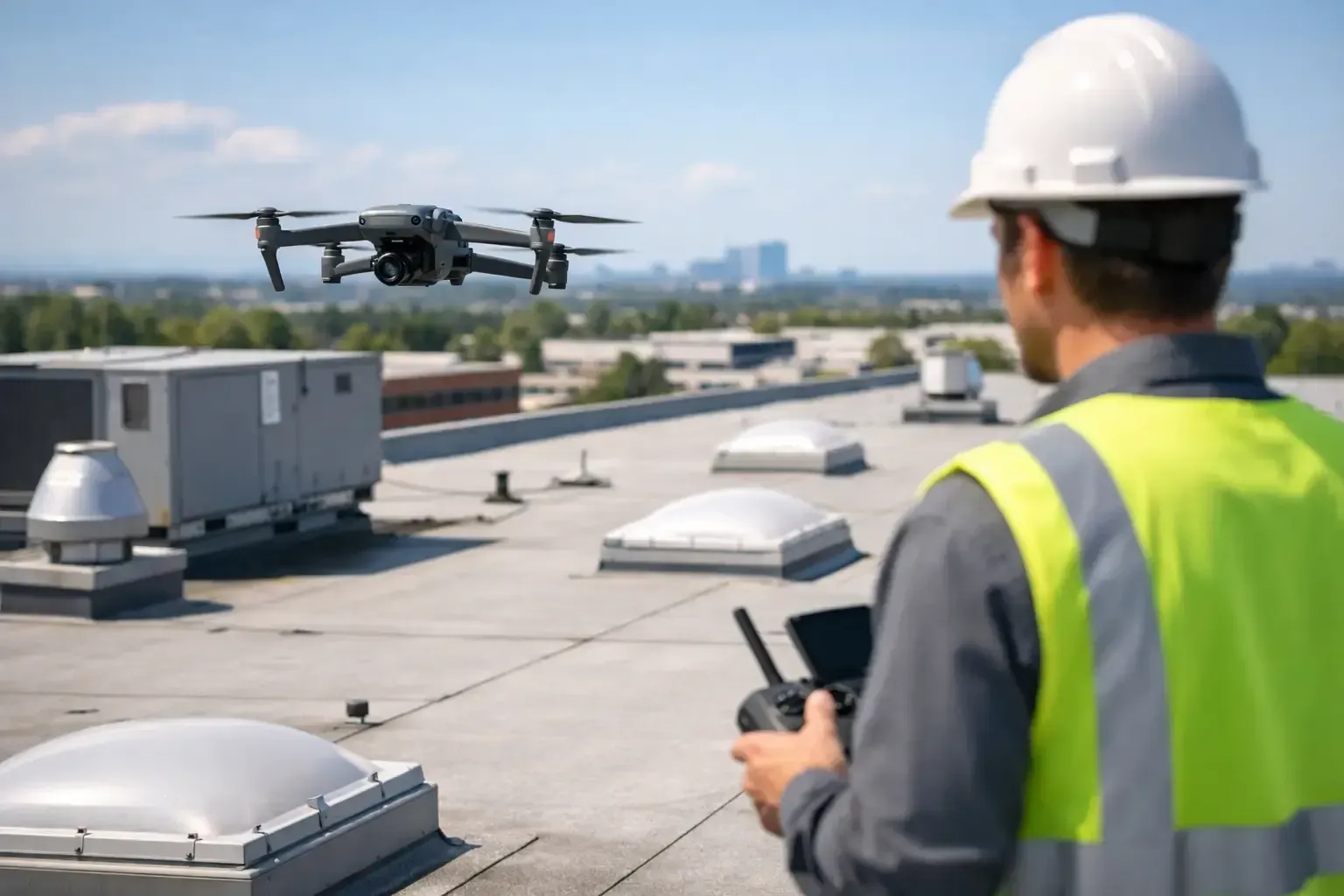
Roofs are where this comparison matters most. A visual roof inspection can identify missing shingles, punctures, ponding water, storm damage, deteriorated sealant, and blocked drainage. Those findings are important, and in many cases they are enough to justify repair work.
But not every roof problem is visible on the surface. Moisture intrusion can spread under roofing materials long before staining or interior leaks show up. Thermal imaging is useful here because wet insulation or trapped moisture often holds heat differently than dry materials. Under the right conditions, that temperature contrast can help identify suspect areas that need closer evaluation.
The phrase under the right conditions matters. Thermal roof inspection is not magic. Results depend on weather, material type, recent sun exposure, time of day, and the experience of the operator interpreting the data. A poor scan can create false positives or miss meaningful patterns. That is why thermal data should be collected carefully and reviewed alongside standard imagery, not treated as a standalone shortcut.
For many roof projects, the best answer is not thermal imaging or visual inspection. It is both.
Why many inspections need both methods
A strong inspection process usually pairs thermal and visual data because each method answers a different question.
Visual imagery gives context. It shows the actual condition of materials, drainage paths, penetrations, edges, rooftop equipment, and site access. Thermal imaging adds insight into heat-related anomalies that may not show on the surface. When you compare both sets of imagery together, it becomes much easier to separate a meaningful issue from a misleading one.
For example, a warm area on a roof might suggest trapped moisture, but visual review may also reveal reflective material, a recent patch, or a mechanical unit affecting temperature readings. On a solar site, a thermal hot spot becomes more useful when paired with visual confirmation of panel condition, debris buildup, shading, or physical damage.
This combined approach is especially helpful for commercial properties, HOAs, construction managers, and owners responsible for large assets. Better data supports better maintenance decisions, cleaner repair scopes, and fewer surprises later.
Choosing the right method for your property
The right inspection method depends on what you are trying to solve.
If your goal is general condition documentation, storm follow-up, marketing imagery, construction progress, or visible defect identification, visual inspection is usually the most efficient starting point. It is straightforward, cost-effective, and easy to interpret.
If your concern involves hidden moisture, insulation performance, overheating components, or solar panel efficiency, thermal imaging deserves serious consideration. It is particularly useful when early detection has real financial value, such as avoiding interior damage, reducing downtime, or narrowing down repair areas before invasive testing begins.
If the asset is large, aging, complex, or expensive to maintain, combining both methods often makes the most sense. That is common for flat commercial roofs, multi-building properties, solar installations, industrial facilities, and active construction environments where documentation and diagnostics both matter.
What to look for in an inspection provider
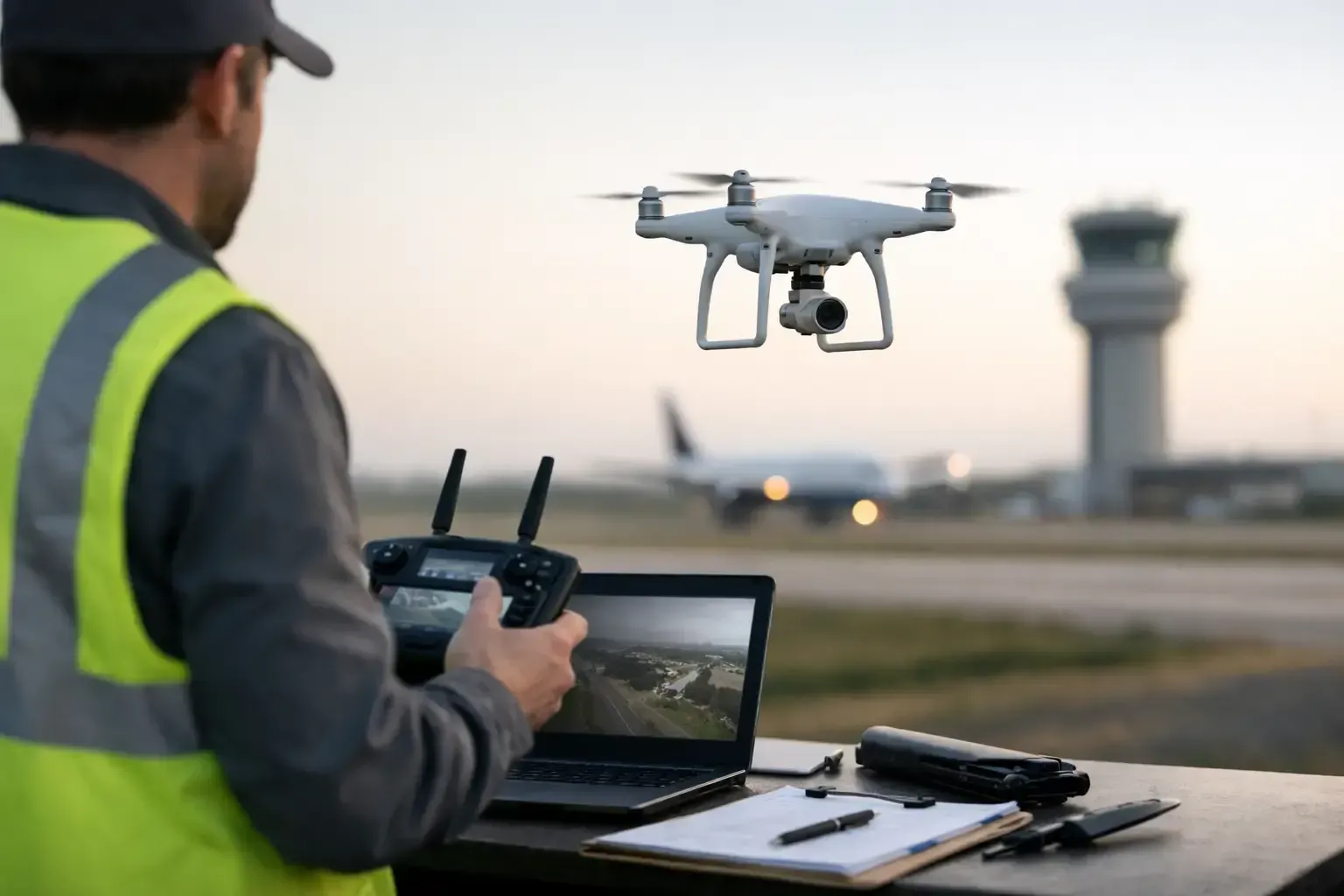
The technology matters, but so does the operator. Thermal imaging is only as useful as the flight planning, site awareness, image capture, and interpretation behind it. That is especially true in controlled airspace, on active jobsites, or around occupied commercial properties where safety and compliance cannot be treated as an afterthought.
Look for an FAA-certified, insured provider with real field experience, not just camera access. You want a team that understands how weather affects thermal readings, how to capture actionable visual documentation, and how to work around project timelines without slowing down operations. Fast scheduling helps, but accuracy and professionalism matter more.
At Phoenix Drone Pros, that is the standard we work from - safe operations, dependable communication, and inspection imagery built for practical decisions, not just good-looking files.
The real question is not which one is better
When clients ask about thermal imaging vs visual inspection, they are usually asking a deeper question: what is the most reliable way to understand the condition of this property without wasting time or missing something expensive? The answer depends on the asset, the risk, and the decision that needs to be made next.
Visual inspection is essential because visible defects still drive many repair and maintenance calls. Thermal imaging is valuable because not every costly problem announces itself on the surface. Used together, they give owners and managers a clearer picture of what is happening now and what may be developing next.
If you are planning an inspection, start with the outcome you need. Do you need documentation, diagnosis, or both? That question usually points you to the right method faster than the technology names ever will.