Phoenix Drone Pros
Blog
Drone services in controlled airspace require FAA approval, skilled pilots, and strong planning for safe, compliant imaging and inspections.
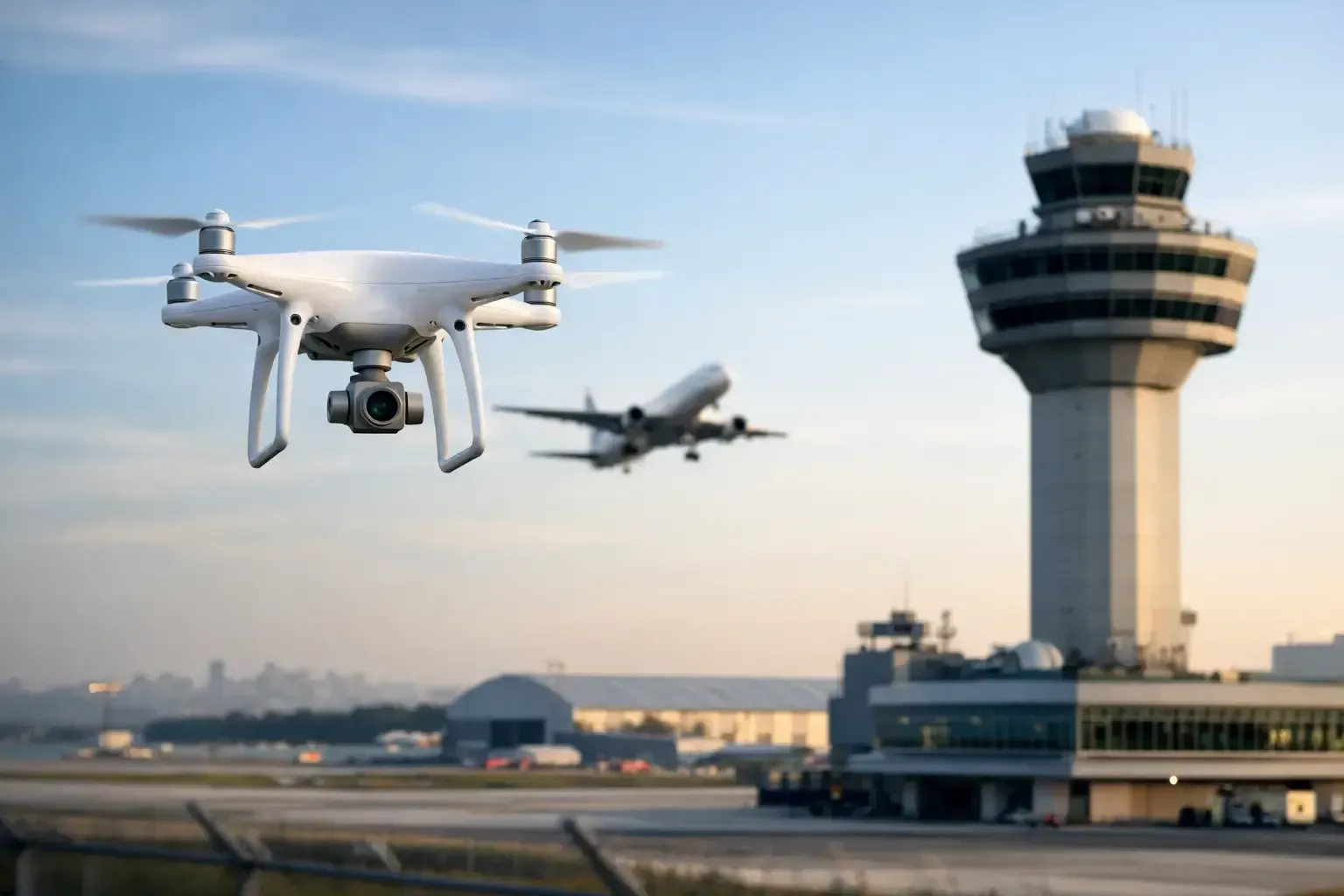
A property can sit half a mile from an airport and still need marketing photos by Friday, a roof inspection after a storm, or progress documentation before the next construction draw. That is where drone services in controlled airspace stop being a nice extra and become a technical job that needs to be handled correctly the first time.
For real estate professionals, builders, property managers, and owners, controlled airspace changes the process. It does not make drone work impossible. It does mean the operator needs more than a good camera and a Part 107 certificate. The job requires airspace knowledge, preflight planning, authorization strategy, risk management, and the judgment to know when conditions support the mission and when they do not.
What controlled airspace means for drone operations
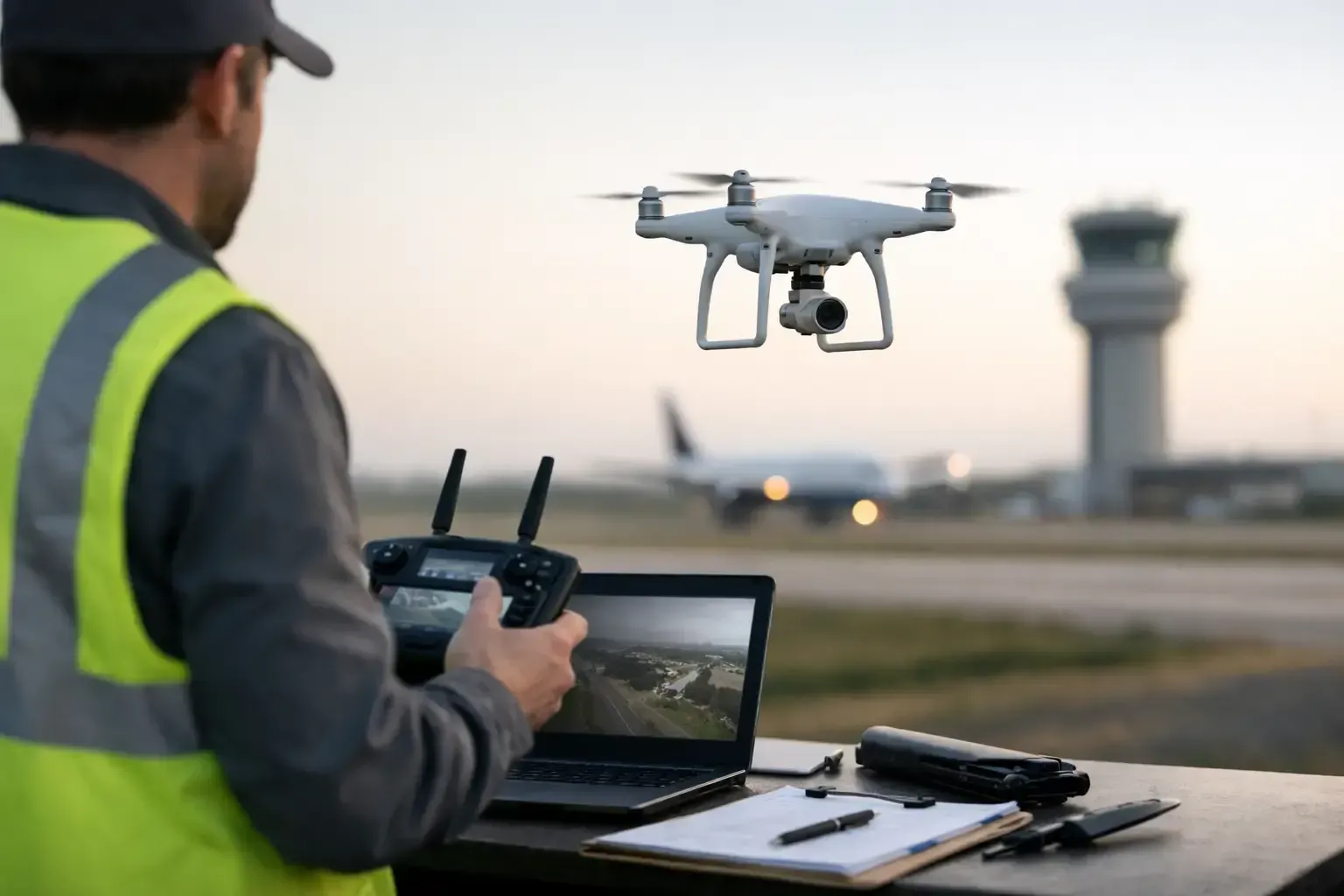
Controlled airspace is airspace where air traffic control manages aircraft activity. Around airports, this matters because drones share nearby airspace with manned traffic, including commercial jets, medical helicopters, private aircraft, and training flights. In practical terms, it means a pilot may need authorization before takeoff and may face altitude limits, route restrictions, timing issues, or an outright no-go decision depending on the location.
For clients, the main takeaway is simple: proximity to an airport does not automatically rule out a drone project. It does mean the flight has to be evaluated properly. A downtown commercial building, a residential listing under a flight path, or an active construction site near controlled airspace can often still be served, but only with compliant planning.
That distinction matters because many projects are time-sensitive. Listings go live on a schedule. Construction managers need recurring aerial updates. Roof and thermal inspections often follow weather events. If the operator does not understand how to work in controlled airspace, delays happen fast.
Why drone services in controlled airspace require more than basic certification
Part 107 certification is the baseline, not the finish line. A legal commercial drone pilot should understand FAA rules, but operating consistently in controlled airspace takes more field experience than a written test can measure.
An experienced operator starts by reviewing the exact site location, surrounding airport environment, airspace class, grid limits, operational hazards, and mission objective. A real estate photo mission has a different risk profile than a thermal roof inspection or a construction progress flight over an active site. The aircraft, launch point, time of day, crew setup, and contingency planning all need to match the job.
This is where clients often see the difference between a professional operator and a hobby-minded provider. Professional drone services account for compliance and deliverables at the same time. The mission has to be both legal and useful. Getting approval but producing poor angles, incomplete inspection coverage, or inconsistent data does not help the customer.
For that reason, strong controlled-airspace work depends on planning discipline. That includes checking authorization requirements, confirming temporary restrictions if any apply, evaluating nearby obstacles, and setting realistic expectations on timing. Some projects can move quickly. Others need more lead time. It depends on the site and the scope.
The approval process clients should expect
When a project is located in controlled airspace, one of the first questions is whether FAA airspace authorization is needed and what type applies. In many cases, approval can be requested through established systems tied to mapped altitude grids. In other situations, operations may require additional review or may not be practical at the desired height or schedule.
From the client side, this should feel organized, not confusing. A qualified provider will ask for the address, scope of work, and target timeline, then determine whether the mission can be flown as requested or whether the flight plan needs to be adjusted. Sometimes the solution is as simple as flying at a lower altitude. Sometimes the better answer is changing the time of day, repositioning the launch area, or narrowing the shot list.
That flexibility matters. A commercial broker may want a sweeping overview of a retail center, but if local airspace limits cap altitude, the operator may need to build the final asset through tighter, more deliberate flight paths. A construction manager may need weekly progress documentation, which means the operator must create a repeatable flight plan that stays compliant every time. In both cases, the project still gets done, but the execution has to be intentional.
Common use cases for drone services in controlled airspace
A large share of urban and suburban drone work happens near airports, heliports, and other sensitive aviation areas. In cities like Phoenix, that is not unusual. It is part of the operating environment.
Real estate is one of the most common examples. Residential agents need exterior photos, neighborhood context, and video that helps listings stand out. Commercial brokers often need aerial footage showing access roads, surrounding retail, development potential, or traffic patterns. When the property sits in controlled airspace, the project only works if the operator knows how to pursue authorization and capture the right assets within the approved limits.
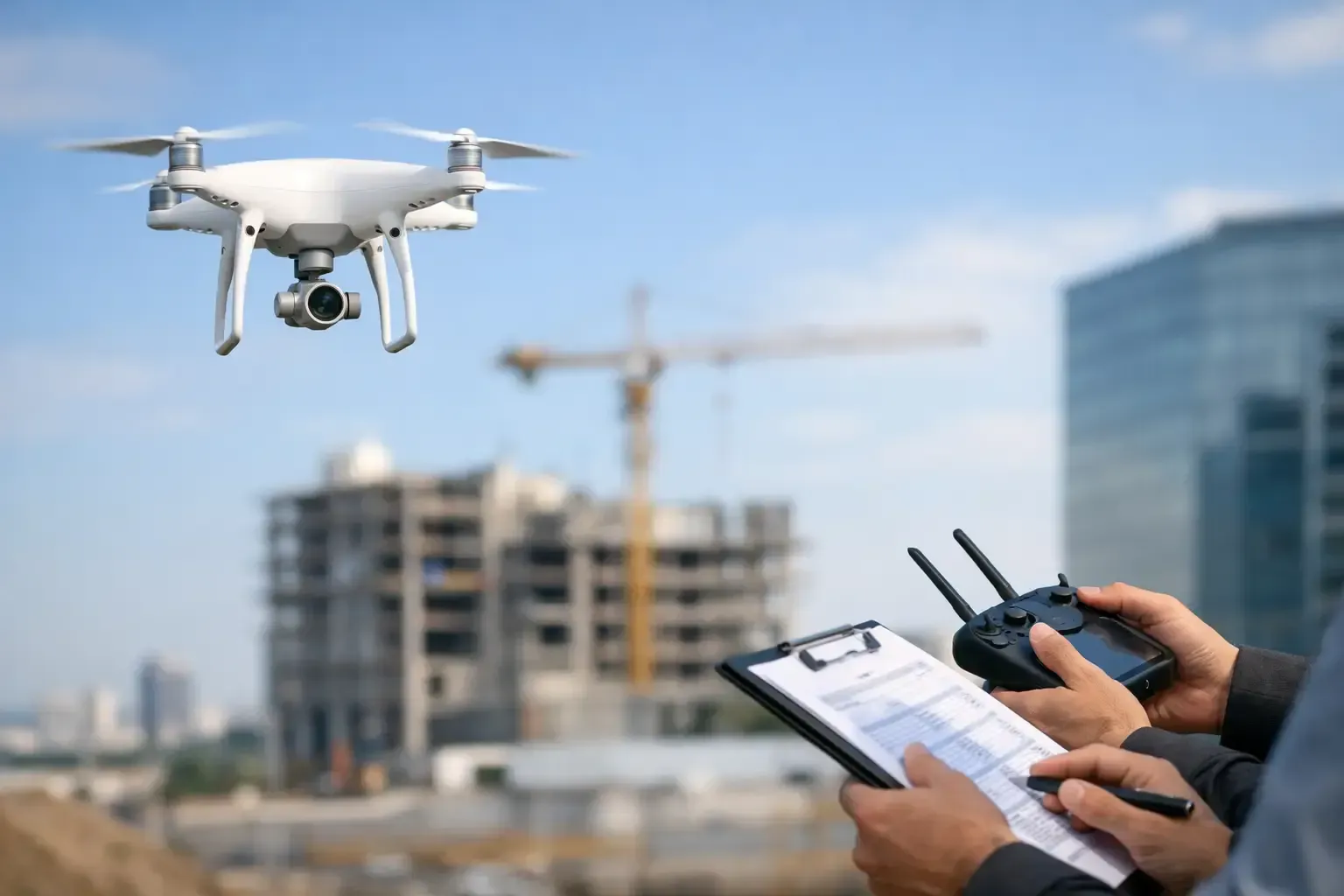
Construction is another major category. Developers, general contractors, and project managers use drone documentation to track progress, support reporting, monitor staging, and maintain a visual record across milestones. If the site is in controlled airspace, recurring flights need to be consistent and compliant over time, not improvised from week to week.
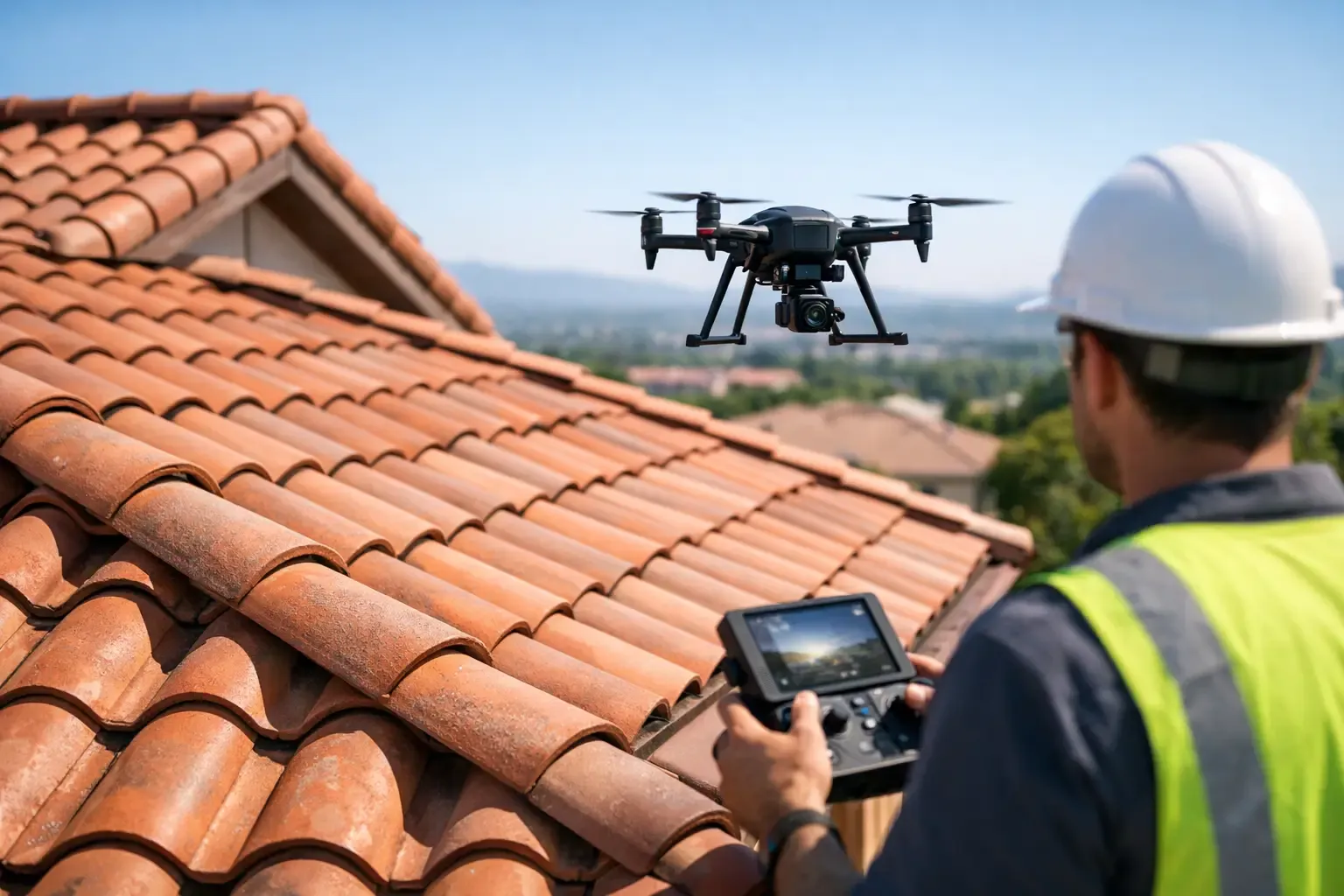
Inspections also benefit from experienced airspace handling. Roof assessments, thermal diagnostics, facade reviews, and hard-to-access asset inspections often take place on buildings close to dense commercial corridors. The goal is to reduce risk, avoid unnecessary ladder or lift work, and gather usable data quickly. In controlled airspace, that only works when safety and authorization are built into the workflow from the start.
What can delay or limit a flight
Clients often assume the biggest issue is whether a drone can physically fly. More often, the real issue is whether the requested mission can be flown safely and legally under current conditions.
Weather is one factor. Wind, visibility, heat, and lighting can all affect flight quality and safety. In the Southwest, afternoon conditions can change quickly, especially around open sites and rooflines. Airspace approval does not override bad operating conditions.
Site hazards are another factor. Cranes, power lines, active crews, traffic, and pedestrian movement may require changes to the launch point or flight path. On construction sites, coordination with the superintendent or site contact is often just as important as airspace planning.
Then there is the question of mission fit. Some clients want very high establishing shots, broad orbit footage, or long tracking passes. In controlled airspace, those requests may need to be modified. A professional operator should explain that clearly, offer alternatives, and still protect the business goal of the shoot.
How to choose the right provider
If your property or project is in controlled airspace, ask direct questions before booking. Is the operator FAA certified for commercial work? Are they insured? Have they handled flights near airports before? Do they understand the difference between marketing footage, inspection data, and recurring documentation workflows?
Experience matters because airspace work is rarely just about flight approval. It is about making sound operational decisions under real-world constraints. A provider should be able to explain what is possible, what may need adjustment, and how they will approach the job without making the process feel complicated.
This is especially important for commercial clients managing schedules and budgets. Delays from an unprepared operator can affect listings, inspection timelines, stakeholder reporting, and project coordination. A dependable drone company protects more than compliance. It protects momentum.
Phoenix Drone Pros approaches these projects with that standard in mind - FAA-certified operations, full insurance coverage, and practical experience completing aerial missions in demanding airspace for real estate, construction, inspection, and specialty applications.
Why professionalism matters more in busy airspace
In low-complexity environments, a mediocre operator might still get acceptable results. In controlled airspace, weak planning shows up fast. Communication gaps create delays. Poor site assessment causes rescheduling. Limited experience leads to uncertainty when the client needs a clear answer.
Professional drone work should reduce friction for the customer. That means fast scheduling when feasible, straight answers on approvals, reliable arrival windows, and deliverables that actually support the purpose of the job. Whether the mission is a commercial property video, a thermal roof inspection, or recurring construction updates, the best outcome comes from treating the flight as an operational service, not just a photo opportunity.
If your property sits near an airport or inside controlled airspace, the question is not whether drone work is worth pursuing. The better question is whether your provider knows how to get the job done safely, legally, and in a way that still delivers useful results. When that answer is yes, controlled airspace becomes a planning factor, not a roadblock.