Phoenix Drone Pros
Blog
Roof leak drone detection helps find moisture, damage, and heat loss faster with thermal imaging, safer access, and clearer reporting.
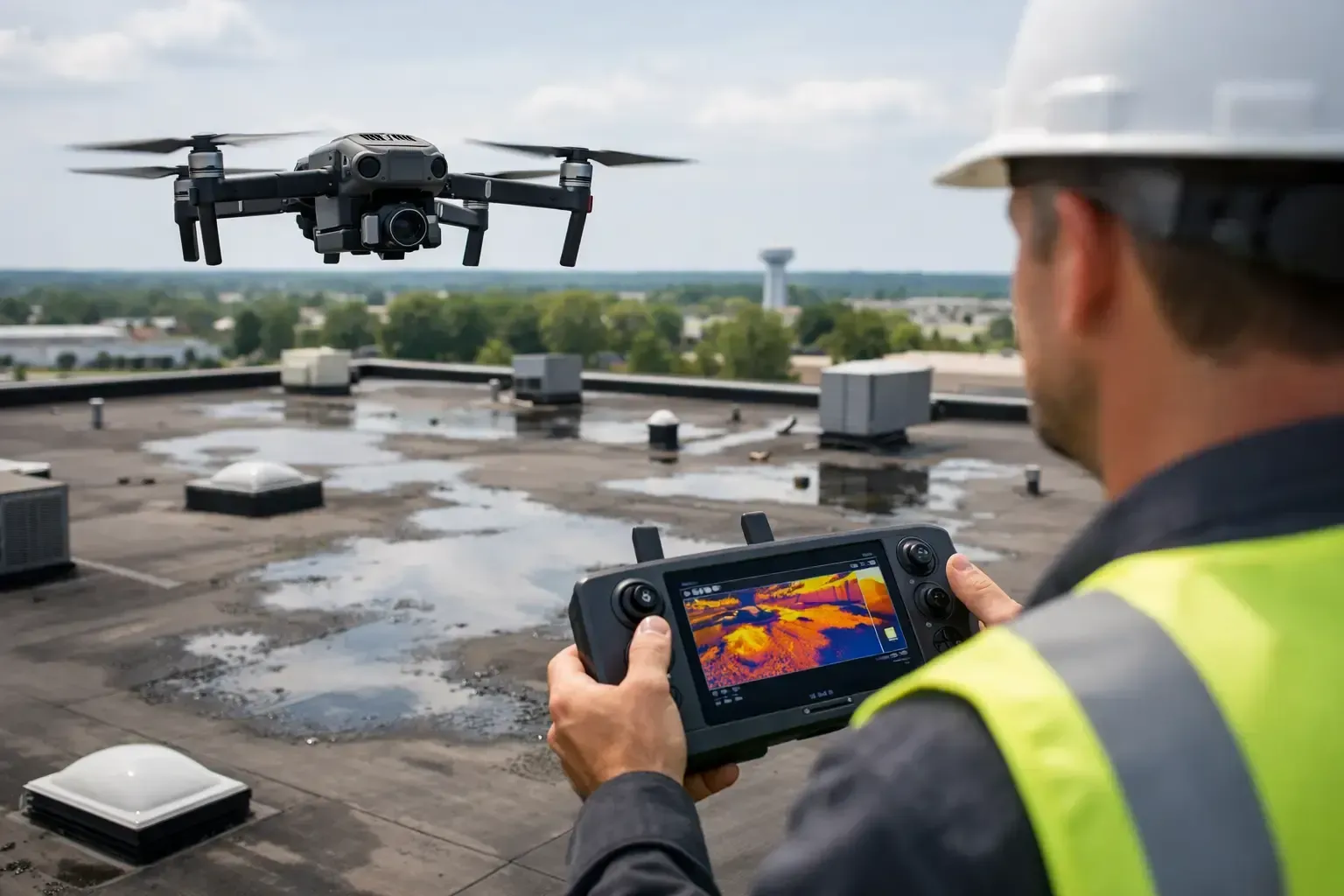
A small roof stain rarely starts as a small problem. By the time water shows up on a ceiling tile, drips down drywall, or reaches insulation, the leak may have already traveled far from the original entry point. That is why roof leak drone detection has become a practical solution for property owners, managers, contractors, and real estate professionals who need answers quickly without putting crews at unnecessary risk.
Traditional leak investigations still have a place, but they are often slow, limited by roof access, and expensive when the issue is difficult to isolate. A drone equipped with high-resolution visual sensors and thermal imaging can survey large roof areas fast, flag likely moisture intrusion zones, and produce documentation that helps decision-makers move from guesswork to action.
How roof leak drone detection works
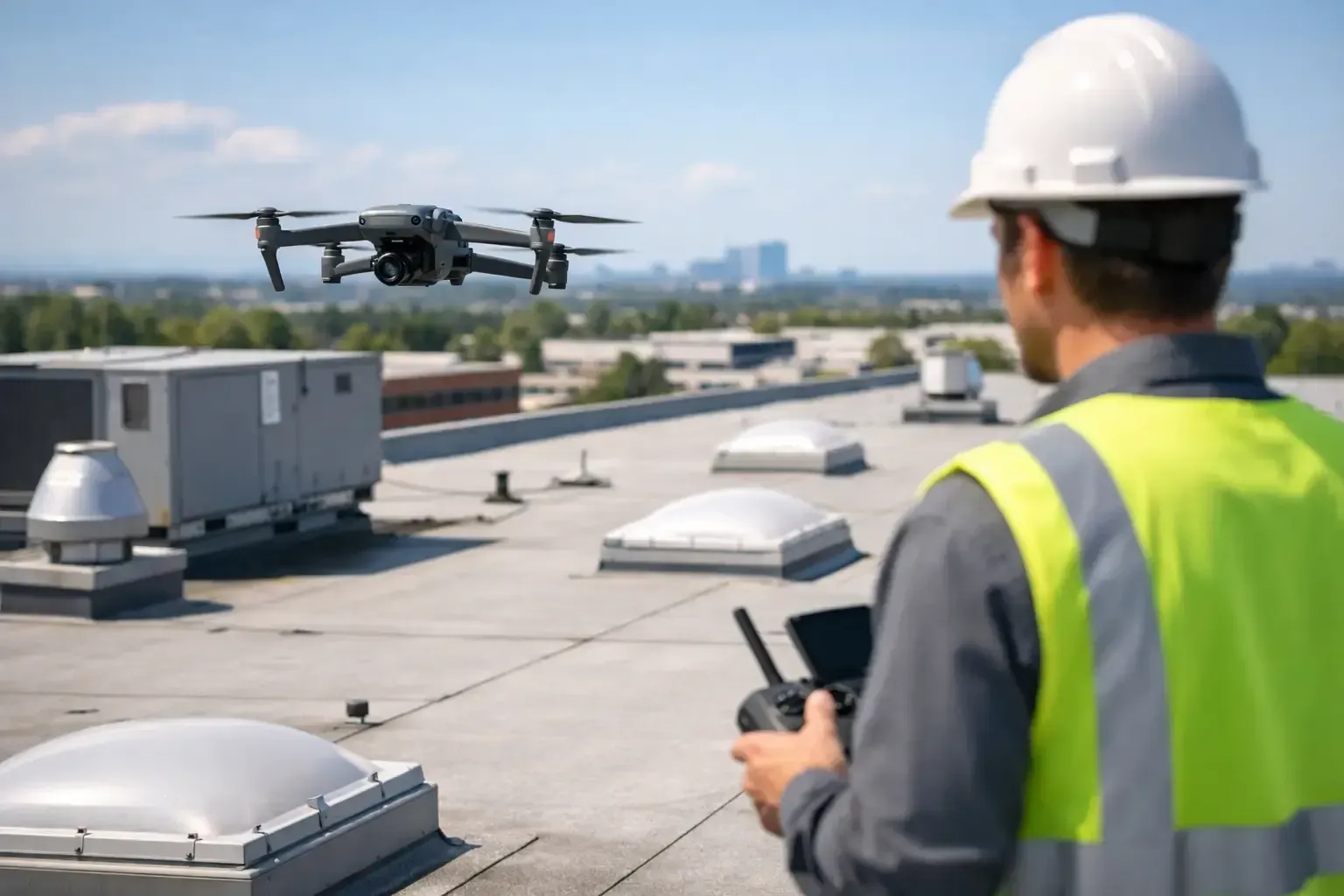
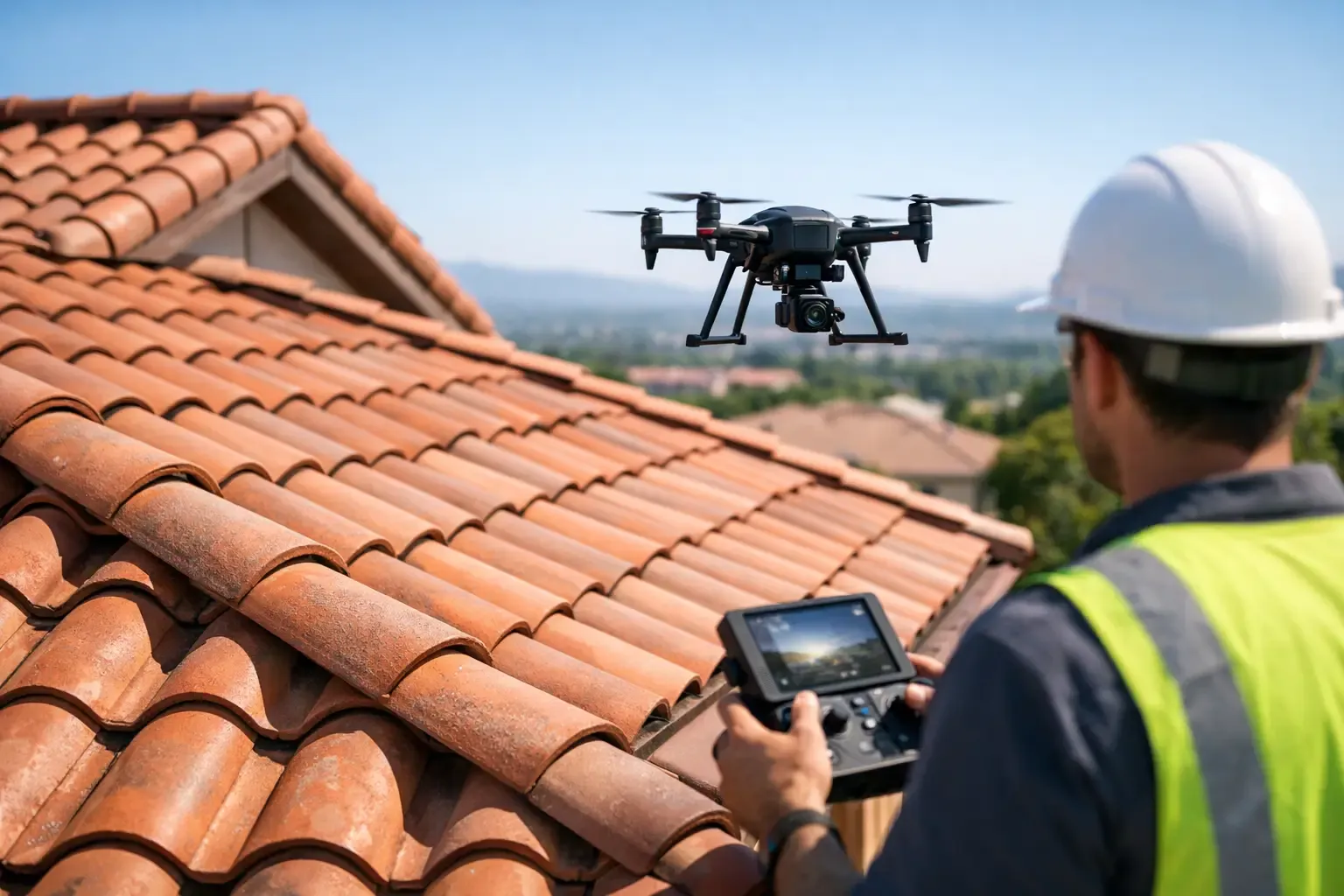
The core advantage of drone-based roof inspection is perspective. A pilot can capture the full roof system from above, including transitions, penetrations, flashing lines, drains, HVAC curbs, skylights, seams, ponding areas, and parapet edges. Instead of relying only on a person walking section by section, the inspection starts with a broad visual and thermal map of the problem.
Thermal imaging is especially useful when moisture has entered the roofing assembly. Wet insulation and damp roofing materials often heat and cool differently than dry surrounding areas. Under the right conditions, those temperature differences can appear in thermal imagery as patterns that point to trapped moisture or active leak paths. The drone does not magically see water through every roof type, and it does not replace all forms of destructive testing, but it can narrow the search area dramatically.
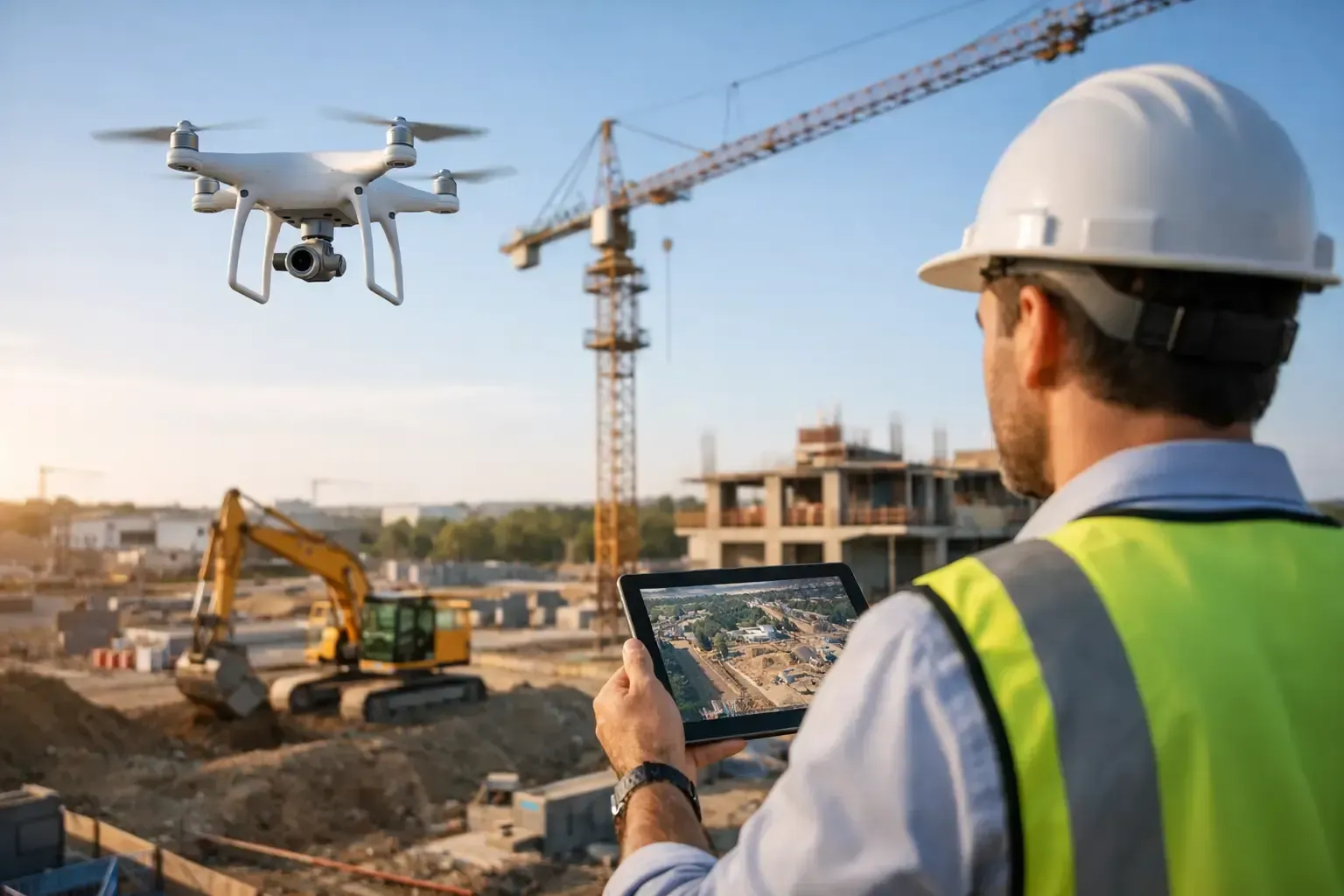
That matters on large commercial roofs, multifamily properties, industrial facilities, retail buildings, and even residential homes with steep pitches or fragile materials. Instead of sending people across every square foot of roof surface, you can inspect the full area from the air and focus hands-on follow-up only where the evidence supports it.
What a drone can actually identify
Roof leak drone detection is most effective when clients understand what the technology is designed to do. The goal is not to issue a one-image verdict. The goal is to locate patterns, visible defects, and thermal anomalies that indicate where further repair or verification should happen.
A well-executed drone inspection may reveal cracked or displaced tiles, membrane punctures, open seams, deteriorated flashing, standing water, clogged drainage areas, storm damage, failed roof penetrations, and signs of impact. On thermal scans, it may also highlight moisture-retaining areas that are not obvious in standard daylight imagery.
For a homeowner, that can mean identifying whether a leak near a fireplace chase is actually coming from flashing higher up the slope. For a commercial property manager, it can mean separating a localized repair issue from a broader moisture problem that affects insulation performance and long-term maintenance budgeting.
There are trade-offs. Thermal results depend on timing, weather, roof material, recent sun exposure, and the severity of moisture intrusion. A metal roof behaves differently than a modified bitumen system. A tile roof presents different thermal and visual clues than a flat TPO or EPDM membrane. That is why experienced flight planning and inspection interpretation matter just as much as the drone itself.
Why property professionals are shifting to drone inspections
Safety is the most obvious reason. Walking steep roofs, high commercial buildings, or damaged surfaces introduces risk. Drone inspection reduces the need for repeated physical access, especially during the early diagnostic stage. For owners and managers, that means fewer unnecessary exposures and a more controlled inspection process.
Speed is a close second. A drone can inspect in minutes what might otherwise take hours to access, walk, and photograph manually. That speed is valuable after monsoon weather, hail, high winds, or when a transaction deadline is approaching and a roof issue could delay closing, underwriting, repairs, or tenant planning.
Documentation is another major benefit. Good drone deliverables are not just a set of random aerial photos. They are organized visual records that show where conditions were observed, how widespread they appear to be, and what areas likely need further repair or testing. That helps owners speak more clearly with roofers, insurance representatives, facilities teams, and investors.
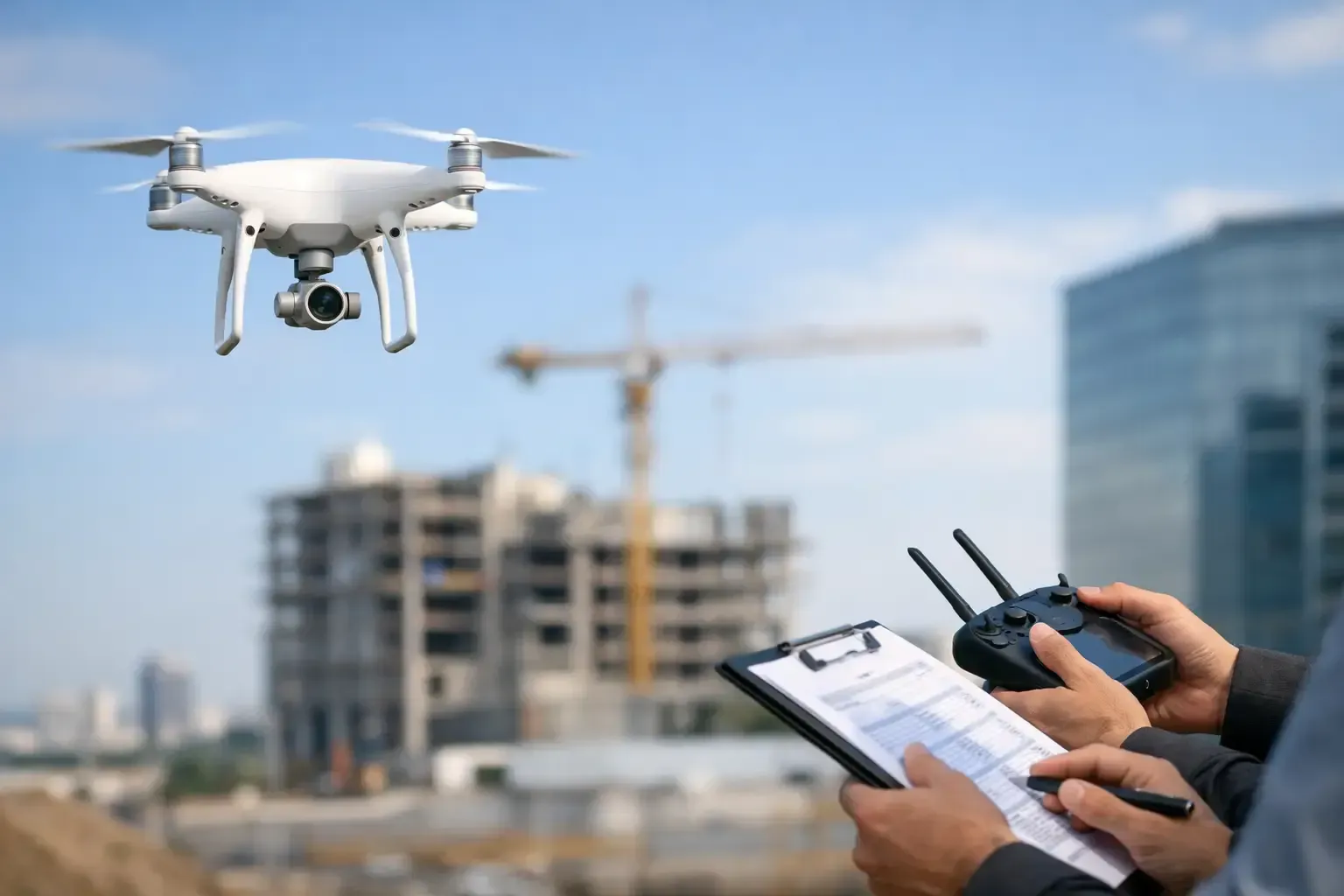
For construction managers and developers, aerial leak detection can also support warranty review, project closeout, and baseline documentation. If a roof system starts showing moisture signs sooner than expected, having current imagery and thermal evidence can sharpen the conversation with installers and consultants.
When roof leak drone detection makes the most sense
Not every leak requires a drone. If there is one simple visible issue over a garage on a single-story home, direct roof access may be enough. But there are many situations where drone inspection is the smarter first step.
It works particularly well on large roofs where walking the full area is time-consuming, on buildings with limited or unsafe access, after storms when damage may be scattered, and in cases where the interior leak location does not match the exterior point of failure. It is also useful when a property owner wants documentation before repairs begin, or when a broker or buyer needs a fast, non-invasive roof assessment during due diligence.
In the Southwest, sun exposure, thermal cycling, monsoon activity, and debris accumulation all create conditions that can stress roofing systems over time. Flat roofs may develop ponding and membrane issues. Tile roofs can shift or crack. Penetrations around rooftop equipment may fail gradually. Drone inspection helps catch these patterns before they turn into more expensive interior damage.
What to expect from a professional drone roof inspection
A professional operation starts before takeoff. The pilot should review the property type, roof system, access conditions, weather window, and client objectives. If thermal imaging is part of the scope, timing matters. Certain inspections are more effective in early morning or evening conditions when temperature differentials are easier to interpret.
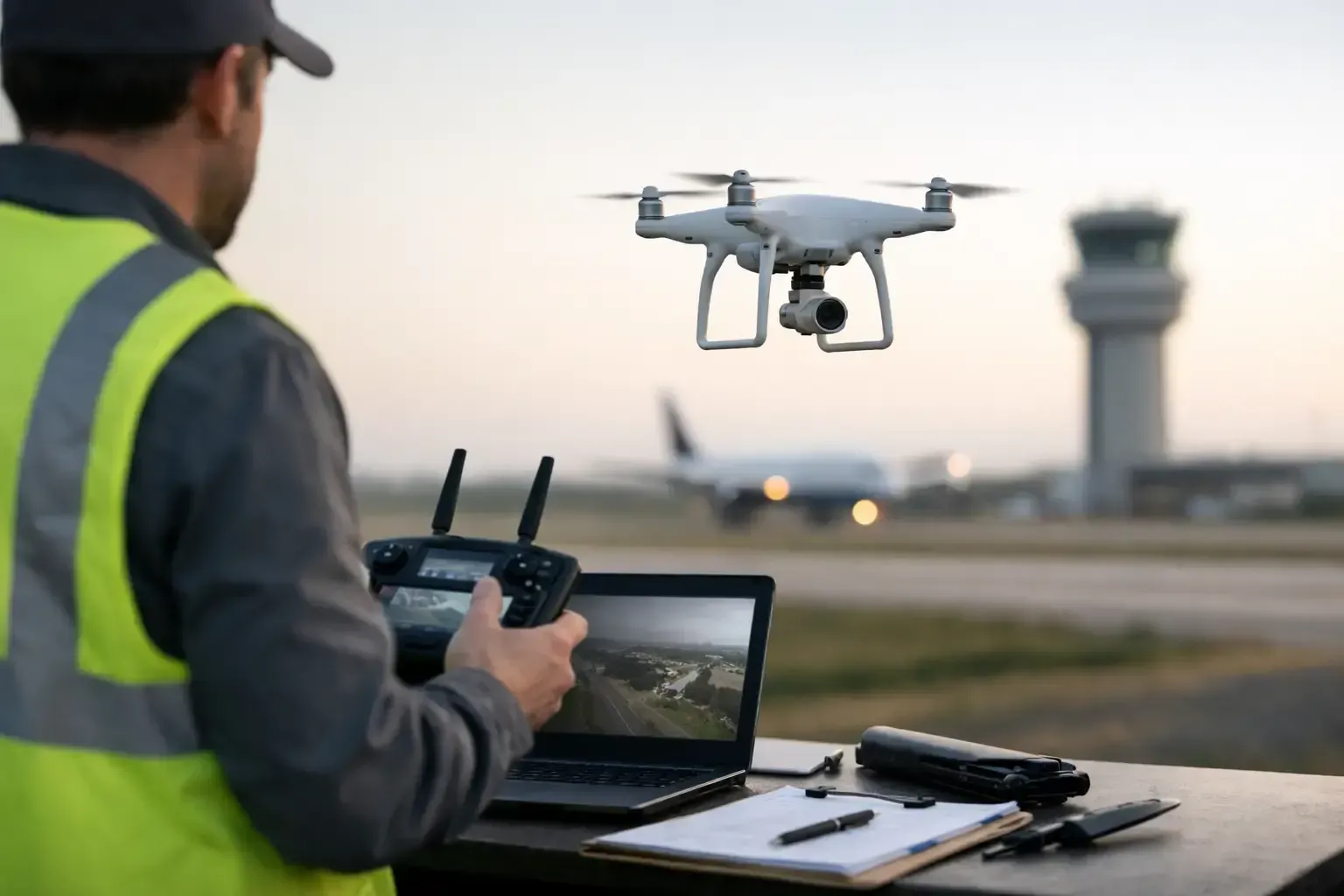
Just as important, the operator should be FAA-certified, properly insured, and experienced in working around occupied properties, active jobsites, and controlled airspace. In markets like Phoenix, airspace compliance is not a minor detail. It directly affects whether a job can be flown legally, safely, and on schedule.
The fieldwork should produce both visual and thermal data when appropriate. After capture, the real value comes from organized review and reporting. Clients should be able to see likely problem areas clearly, understand what was observed, and use that information to plan the next step. In many cases, the best outcome is not a broad recommendation to replace everything. It is a more precise repair scope that saves time and money.
Phoenix Drone Pros approaches this work the same way it handles other technical flight operations - with certified pilots, insured service, and practical reporting designed for real property decisions, not just attractive imagery.
Limits of drone leak detection
A credible inspection provider should be clear about the limits. Drones can identify likely sources and moisture patterns, but they do not replace every roofing consultant, moisture probe, or repair technician. Some leaks are intermittent. Some moisture signatures are masked by weather conditions. Some roof assemblies require invasive verification to confirm exactly how far water has spread.
That does not reduce the value of the drone. It defines it correctly. The drone is often the fastest and safest way to narrow the search, document conditions, and prioritize next actions. In many cases, that is the difference between spending money intelligently and chasing the wrong repair area.
Choosing the right roof leak drone detection provider
The best provider is not simply the one with a thermal camera. You want a company that understands inspection goals, airspace rules, roof conditions, and how to produce useful findings for owners, contractors, and commercial stakeholders. Ask how the data will be captured, when thermal flights are scheduled, what type of reporting is included, and whether the operator has experience with your property type.
If the building is occupied, under construction, part of a real estate transaction, or located in restricted airspace, experience matters even more. The inspection should fit the site, not force the site to fit the drone operator's limitations.
Roof leaks are expensive partly because they hide well. The longer they go unverified, the more they affect insulation, interiors, operations, and repair budgets. A good drone inspection does not eliminate every next step, but it gives you something far better than a guess - clear evidence you can act on with confidence.